
Implementing Blockchain in Educational Institutions: Revolutionizing Security and Transparency in Education
The digital revolution is accelerating dramatic changes in how educational institutions operate, especially regarding the integrity and security of academic records. Among emerging technologies, blockchain in education stands out as a powerful tool to boost transparency, trust, and efficiency across academic operations.In this comprehensive guide, we explore how implementing blockchain in educational institutions is transforming security, streamlining administration, and ensuring a fairer, more transparent learning habitat.
What is Blockchain Technology?
Blockchain is a decentralized, tamper-proof ledger that records transactions across a network of computers. Its unique structure allows for secure, transparent data management without a single point of control. In the context of education, blockchain can secure diplomas, certificates, student records, and much more, allowing stakeholders to verify credentials instantly and trust data authenticity.
Why Blockchain in Educational Institutions?
Schools, colleges, and universities manage large volumes of sensitive data, from academic certificates to attendance. Regrettably, conventional systems are vulnerable to errors, data loss, or fraud. blockchain brings a transformative solution to these issues by:
- Enhancing data security and minimizing risks of tampering.
- Boosting transparency and accountability in record-keeping.
- Improving efficiency through automation and easier verification processes.
- Facilitating global recognition of academic achievements.
Revolutionizing Security wiht Blockchain in education
Cybersecurity threats in education are on the rise. Implementing blockchain in educational institutions mitigates these risks through innate properties:
- Immutability: Once a record (such as a degree or certificate) is added to the blockchain, it cannot be altered or deleted. This eliminates certificate fraud.
- Encryption and Privacy: Blockchain uses advanced cryptography to secure every record. Only authorized users can access sensitive information, safeguarding student privacy.
- Decentralization: Data isn’t stored in a single location. Even if one server is compromised, the integrity of educational records remains intact.
Key Security Use Cases
- Issuance of tamper-proof diplomas
- Secure digital transcripts accessible to students, faculty, and employers
- blockchain-based attendance systems ensuring authenticity of participation
- Protected exchange of research work and intellectual property
Promoting Transparency in Academic Processes
One of blockchain’s greatest strengths is transparency. All actions taken on the network are visible to authorized participants, helping educational institutions:
- Reduce administrative disputes: Transparent, timestamped records mean grades, attendance, and disciplinary actions are clear and verifiable.
- Facilitate student mobility: Blockchains can securely share academic records between schools, universities, and even across countries—supporting exchange programs and global learning.
- Combat credential fraud: Employers and authorities can instantly verify the authenticity of academic qualifications.
This level of visibility supports ethical standards and reduces the risk of mismanagement or accusations of favoritism.
Major Benefits of Blockchain in Educational Institutions
- Effortless Verification: Simplified verification of academic credentials saves time for employers and students alike.
- Streamlined Admissions: Automated verification and tracking of application documents speed up the admissions process.
- Micro-credentialing: Supporting lifelong learning, blockchain can store badges, online course certificates, and non-traditional achievements.
- Secure Payments: Blockchain can facilitate tuition payments or distribution of scholarships with greater transparency and traceability.
- Improved Collaboration: Inter-institutional collaboration is eased by uniform, verified recordkeeping, especially for joint degrees and research.
Real-World Case Studies: Pioneers in Blockchain for Education
MIT Digital Diplomas: The massachusetts Institute of Technology issues blockchain-based digital diplomas, enabling graduates to share verifiable credentials with employers worldwide.
university of Nicosia: This Cyprus-based university pioneered the use of blockchain for digital certificates, setting global standards for secure academic recordkeeping.
Sony Global Education: Sony collaborated with IBM to create a blockchain-based platform to manage student records and transcript sharing between institutions.
Step-by-Step Guide: Implementing Blockchain in Educational Institutions
1.Assess Stakeholder Needs
- Identify data points to secure on blockchain (transcripts, diplomas, attendance, payments).
- Engage staff, students, and regulatory bodies in defining requirements.
2. Choose the Right Blockchain Platform
- Evaluate leading technologies (Ethereum, Hyperledger, custom solutions).
- Prioritize scalability, privacy, and interoperability.
3. Pilot and Integrate
- start with a pilot project—e.g., issuing blockchain-based certificates for one program.
- Integrate blockchain with existing Student Information Systems (SIS) or Learning Management Systems (LMS).
4. Ensure Regulatory Compliance
- Review data protection laws (GDPR, FERPA) for storing and sharing student data on blockchain.
- consult with legal counsel and data privacy experts.
5. Train Staff and Raise Awareness
- Educate faculty and administrative staff on blockchain operations and benefits.
- Run student information sessions to build trust and uptake.
6. Scale, Monitor, and Evolve
- Gather feedback, make improvements, and expand blockchain use across departments and services.
- Continuously monitor security and compliance.
practical Tips for Educational Leaders and IT Teams
- Start small to demonstrate value, then expand blockchain implementation institution-wide.
- Partner with tech providers offering tailored blockchain solutions for education.
- Keep user experience simple—abstract complex blockchain interfaces behind intuitive portals.
- Communicate benefits clearly to students and staff to encourage adoption.
- Champion collaboration among multiple institutions for greater interoperability.
FAQs: Blockchain in Educational Institutions
- Is blockchain expensive to implement in education?
- initial costs depend on solution scale and customization. Cloud-based blockchain services and open-source platforms can reduce expenses for smaller institutions.
- Is student privacy protected on the blockchain?
- Educational blockchains can use permissioned, encrypted systems where only authorized participants access personal data, ensuring compliance with privacy regulations.
- Can blockchain replace accreditation and regulatory audits?
- Blockchain does not replace these processes but supports them with immutable, transparent records that facilitate faster, more reliable reviews.
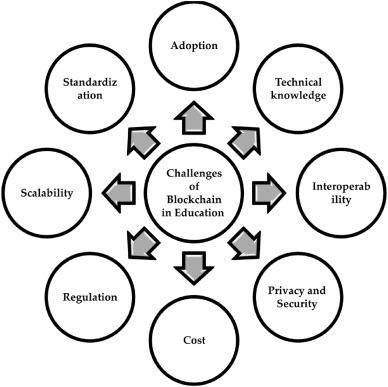
- What challenges exist in implementing blockchain?
- Challenges include legacy system integration, regulatory complexity, and building user trust, all of wich can be addressed with careful planning.
Conclusion: Future-Proofing Education with Blockchain
Blockchain technology is rapidly becoming a cornerstone of modern, secure educational administration. By revolutionizing how records are stored, shared, and verified, blockchain in education boosts integrity, promotes fairness, and reduces administrative burdens. Early adopters already demonstrate the vast potential of blockchain to empower students, staff, and employers with trusted data.
The digital campus of the future will hinge on transparent, secure, and interoperable solutions—making implementing blockchain in educational institutions an essential investment. With strategic planning and stakeholder engagement, schools and universities can lead the way in education’s digital conversion.
Looking to implement blockchain in your institution?
Reach out to expert partners and explore pilot programs to see how blockchain can secure your campus operations today!