
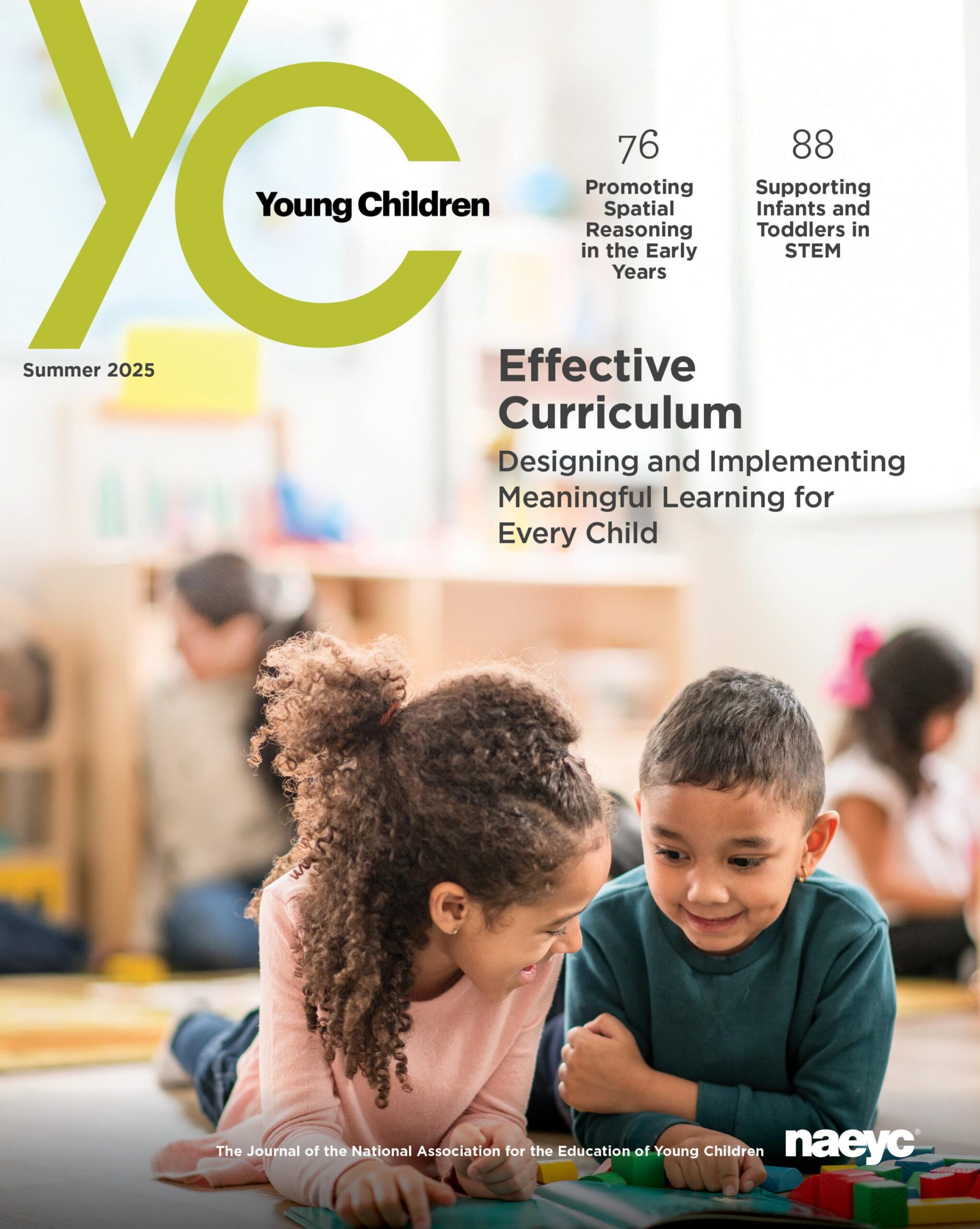
Inclusive Curriculum Design: Effective Strategies for Diverse Learner Success
Inclusive curriculum design is not just a buzzword—it’s a transformative approach that enriches learning for students of all backgrounds,abilities,and learning styles. Embracing inclusivity in education means designing curricula that are accessible, relevant, and empowering for every learner. In today’s ever-diversifying classrooms, effective inclusive curriculum design is crucial for fostering equitable learning environments and supporting diverse learner success. This article will explore proven strategies, practical tips, real-world benefits, and case studies to guide educators, instructional designers, and administrators in creating truly inclusive curricula.
What Is inclusive curriculum Design?
Inclusive curriculum design refers to the intentional creation of lesson plans, learning materials, and instructional practices that address and accommodate the unique needs of all learners. By integrating diversity, equity, and inclusion (DEI) principles, inclusive education provides equal opportunities for students regardless of their:
- Ethnicity and cultural backgrounds
- Language proficiency
- Physical or cognitive abilities
- Socio-economic status
- Gender identity and expression
- learning preferences and strengths
Rather than offering a one-size-fits-all solution, inclusive curriculum design adapts educational experiences to support every student—helping them thrive academically, socially, and emotionally.
Benefits of Inclusive Curriculum Design
designing an inclusive curriculum brings measurable advantages, improving both the educational environment and student outcomes:
- Enhanced Student Engagement: Students feel represented and valued when their backgrounds and learning needs are considered.
- Improved Academic Performance: Differentiated instruction and accessible materials enable all learners to participate meaningfully.
- Decreased Achievement Gaps: Inclusive strategies close gaps between student groups, promoting equity.
- Stronger Social Growth: Learners build respect for diversity, empathy, and collaboration skills.
- Positive School Climate: Inclusive practices foster an environment of belonging, safety, and mutual support.
Core Principles of Inclusive curriculum Design
To achieve genuine inclusivity, curriculum designers should follow these guiding principles:
- Global Design for Learning (UDL): UDL offers multiple means of representation, engagement, and action/expression, allowing everyone to access the curriculum.
- Cultural responsiveness: Content should reflect students’ cultures, experiences, and histories, instilling pride and identity.
- Accessibility: All learning materials and activities must be accessible to students with disabilities, including digital accessibility (e.g., WCAG compliance).
- Differentiation: Customize instruction to cater to varying skill levels, interests, and learning modalities.
- Student Voice and Choice: Empower learners to take part in the decision-making and personalize their educational journeys.
- Collaborative Learning: Design opportunities for teamwork, peer learning, and the exchange of diverse perspectives.
Effective Strategies for Diverse Learner Success
implementing inclusive curriculum design requires actionable strategies that educators can put into practice. Here are some of the moast effective:
1. Apply Universal Design for Learning (UDL)
- Multiple Formats: Offer readings, videos, podcasts, and hands-on activities.
- Flexible Assessments: Let students choose between essays, presentations, creative projects, or practical demonstrations.
- Scaffolded Tasks: Break complex assignments into small, manageable steps with guidance and feedback at each stage.
2. Create Culturally Responsive Curriculum
- Relevant Content: Integrate literature, ancient examples, and resources that resonate with students’ cultural backgrounds.
- party of Diversity: Encourage classroom discussions, projects, and events that highlight various cultures and identities.
- Bias-Free Materials: Ensure curriculum resources are free from stereotypes,biases,or exclusionary language.
3. Prioritize Accessibility and Differentiation
- Accessible Digital Materials: Use alt text, captions, accessible PDFs, and screen reader-friendly interfaces on WordPress sites and LMS platforms.
- Tiered Learning Activities: Design tasks at different complexity levels, so all students can access core concepts and challenge themselves appropriately.
- Learning Support: Provide options for peer tutoring, small group instruction, or individualized support for those who need it.
4. Foster Student Autonomy and Collaboration
- Choice Boards: Give learners options for how they show understanding and demonstrate mastery.
- Student-Led discussions: allow students to set agendas or lead class conversations on topics meaningful to them.
- Collaborative Projects: Organize team-based tasks that build social skills and respect for diverse perspectives.
Practical Tips for integrating Inclusive Curriculum Design
If you’re ready to start or enhance your inclusive curriculum design, these practical tips will help:
-
Conduct Needs Assessments:
- Survey students about learning preferences, challenges, and interests.
- Consult with families, community members, and specialists for additional insights.
-
Use WordPress Accessibility Features:
- Leverage accessible themes and plugins to ensure your educational website or LMS meets WCAG standards.
- Add skip navigation links, adjustable font sizes, and color contrast tools for better usability.
-
Plan for Ongoing Reflection and Improvement:
- Gather feedback from students and colleagues.
- Regularly review curriculum materials for inclusivity,relevance,and accessibility.
- Engage in professional development centered on DEI and inclusive teaching practices.
-
Collaborate Across Roles:
- Work with other teachers, instructional designers, and administrators to ensure alignment and share best practices.
- Create cross-functional teams for curriculum review and development.
Case Studies: Inclusive curriculum Design in Action
Case Study 1: Differentiated English Literature Curriculum
A high school English department redesigned its curriculum to include texts from a range of cultures while providing audio versions and visual aids for English language learners and students with reading disabilities. Assessments were diversified—students could create graphic novels, write essays, or present multimedia presentations. As a result, students from historically excluded backgrounds reported greater engagement and improved reading skills.
Case Study 2: Accessible Online STEM Learning
A university piloted a STEM course with built-in accessibility features: captioned video lectures,interactive simulations with keyboard navigation,descriptive visuals,and downloadable transcripts. Group projects paired students with different strengths, fostering peer support. The completion rate rose by 18%, notably for students with physical or learning disabilities.
Educator experience: Fostering Belonging
“In my classroom,inclusive curriculum design meant more students participated and felt at home. Using flexible assignments and celebrating students’ cultures led to fewer behavioral issues and higher test scores. The sense of belonging translated into learning success—every child could see themselves and achieve.” — Maria, elementary teacher.
addressing Common challenges
Educators may encounter obstacles when striving for inclusivity. here are practical ways to address them:
- Resource Limitations: Tap into open educational resources (OER), and collaborate with community organizations for diverse materials.
- Time Constraints: Start small by adapting one unit or lesson at a time, and build momentum with regular adjustments.
- Lack of Training: Attend professional development workshops focused on inclusive teaching or consult with school DEI coordinators.
- Resistance to Change: Share success stories, research-based benefits, and involve all stakeholders in the conversation.
conclusion: Moving towards Equitable Learning for All
Embracing inclusive curriculum design is an ongoing commitment to meeting the complex needs of today’s students. By implementing universal design for learning,cultural responsiveness,accessibility,and differentiation,educators and instructional designers create learning environments where every student has a chance to succeed. The evidence is clear: an inclusive curriculum leads not only to improved academic achievement but also to stronger social development, increased engagement, and a lasting sense of belonging.
Start your journey towards inclusivity by reflecting on your curriculum, applying the strategies discussed above, and collaborating with your learning community. Every step you take helps to build a more equitable, responsive, and joyful educational experience for all learners.