
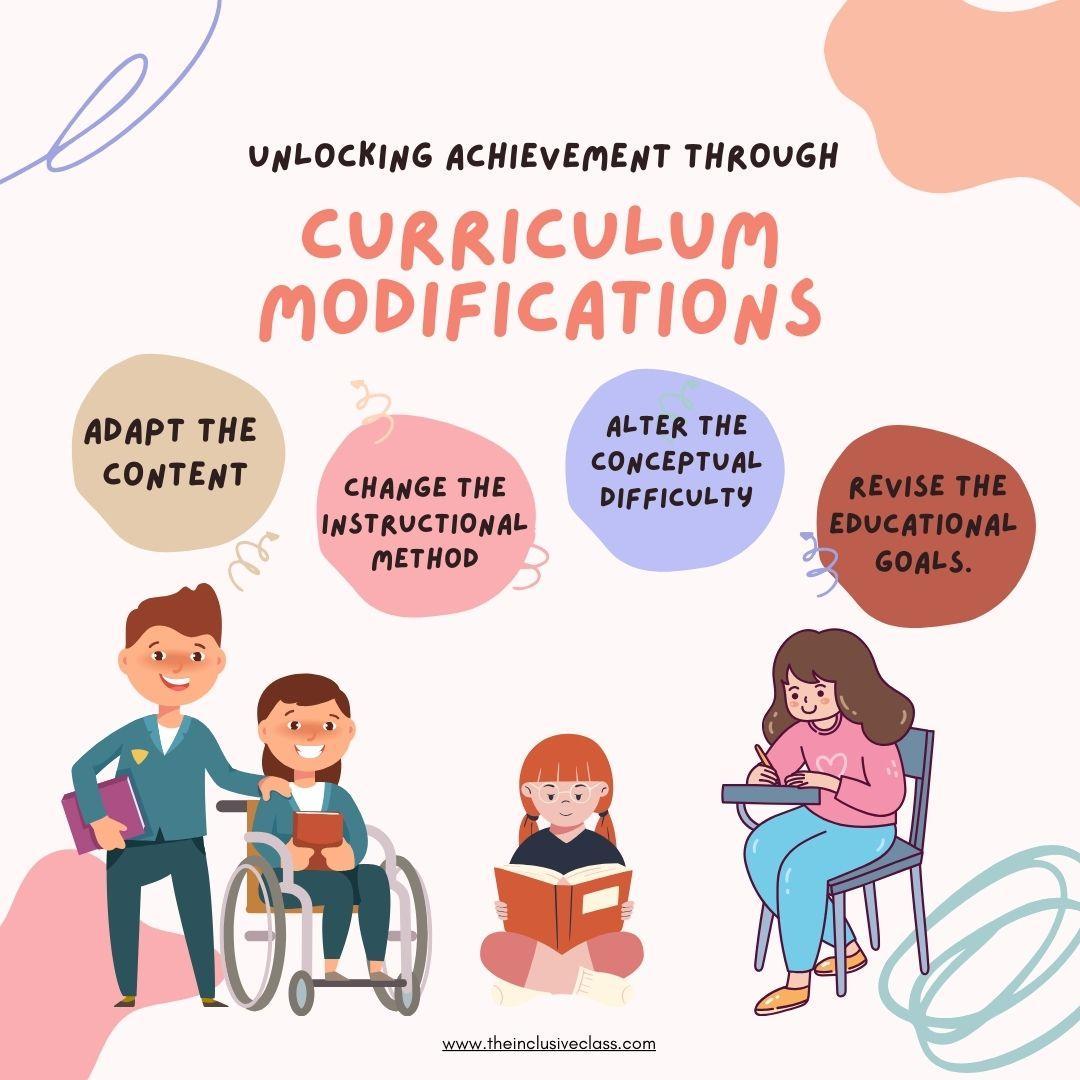
Inclusive Curriculum Design: Strategies for Teaching Diverse Learners Effectively
In today’s rapidly evolving educational landscape, embracing diversity isn’t just a goal—it’s a necessity. Inclusive curriculum design ensures that all learners, regardless of background, ability, or learning style, receive engaging, meaningful educational experiences. As classrooms become increasingly diverse, the need for effective strategies in teaching diverse learners has never been greater.In this thorough guide, we’ll explore what inclusive curriculum design is, why it matters, its key benefits, and practical ways to implement it successfully in any educational setting.
What is Inclusive Curriculum Design?
Inclusive curriculum design refers to the intentional process of creating and organizing educational content, activities, and assessments that reflect and accommodate the diverse backgrounds, abilities, and learning needs of all students. The goal is to deliver accessible, equitable, and culturally responsive learning experiences.
- Accessibility: Materials and activities are usable by students with different abilities.
- Equity: recognizing and addressing the distinct needs and potential barriers individual students may face.
- Cultural Responsiveness: Integrating perspectives, histories, and examples relevant to students from varied backgrounds.
Why Is Inclusive Curriculum Design Significant?
An inclusive curriculum doesn’t just benefit minority or marginalized learners—it benefits everyone. educational research demonstrates that inclusive practices increase student engagement, boost achievement, and foster social-emotional learning for the entire classroom community. Furthermore, inclusive education aligns with universal human rights and prepares students for success in diverse global societies.
Key Benefits of Inclusive Curriculum Design
- Promotes Student Engagement: When learners see their identities reflected in the curriculum, they feel valued and more motivated.
- Reduces Achievement Gaps: Tailored strategies help address academic disparities among students of different backgrounds.
- Fosters Social-Emotional Growth: Inclusive lessons teach empathy, respect, and collaboration.
- Supports Legal and Ethical Compliance: Many educational policies require the implementation of inclusive practices.
- Prepares Students for Diversity: Equips learners to thrive in multicultural, inclusive environments beyond school.
Core Strategies for Teaching Diverse Learners Effectively
Successfully teaching diverse learners requires deliberate planning and ongoing reflection. Below are evidence-based strategies to implement inclusive curriculum design in your teaching practice:
1. Universal Design for Learning (UDL)
- Multiple Means of Depiction: Present information using various formats—visual, audio, text, and interactive media.
- Multiple Means of Engagement: Offer different ways for students to interact with content (discussions,hands-on activities,digital tools).
- Multiple Means of Expression: Allow students to demonstrate learning through diverse outputs—reports, videos, presentations, creative projects.
2. Differentiated Instruction
Differentiation means modifying your teaching methods to suit varied learning preferences, abilities, and interests. Consider:
- Varying Content: Adjust the depth, complexity, or focus of material for different learners.
- Flexible Groupings: Mix students for certain tasks based on skills, interests, or learning needs.
- Choice in Assessment: Let students select how they show mastery (quizzes, essays, creative work, oral explanation).
3. Culturally Responsive Teaching
- integrate Diverse Perspectives: Include materials and authors from various cultures and backgrounds.
- Connect Learning to Students’ lives: Relate topics to students’ experiences, communities, and histories.
- Address Biases: regularly review and update course content to eliminate stereotypes and promote equity.
4. Scaffolded Supports
Scaffolding refers to providing temporary supports to help students achieve learning goals. Examples include:
- Guided notes, graphic organizers, and sentence starters
- Peer and teacher modeling
- Step-by-step instructions and chunked assignments
- Visual aids and supplementary materials (charts, diagrams, infographics)
5. Accessible Technology and Resources
- Use of Assistive Technologies: Screen readers, closed-captioned videos, text-to-speech tools, and accessible PDFs
- Accessible Course Formats: Ensure online materials meet WCAG accessibility standards
Practical Tips for implementing Inclusive Curriculum Design
- Start with a Diversity Audit: Review your existing curriculum for gaps or biases in representation, accessibility, and perspective.
- invite Student Voice: Regularly seek feedback from students about what is working and what they want to see reflected in their learning.
- Create a Safe Learning Environment: Establish classroom norms that value respect, active listening, and open dialogue.
- Collaborate with Colleagues: Work with other educators, specialists, and community members to share strategies and resources.
- Provide Ongoing Professional Progress: Stay updated on the latest research, tools, and practices for inclusive education.
Case Study: Inclusive Curriculum in Action
Case Study: Ms.Patel’s High School Literature Class
When Ms. Patel noticed students disengaged during customary literary analysis lessons,she restructured her curriculum to include global and contemporary authors,offered options for creative and analytical projects,and allowed students to connect texts to personal or community issues.She found that students became more enthusiastic, with increased participation from English Language Learners and students with IEPs. By embracing inclusive curriculum design strategies, Ms. Patel created an environment where every learner found relevance and belonging.
Firsthand Experience: A Teacher’s Perspective
“Integrating inclusive curriculum design into my math classroom transformed not just my students’ engagement, but also my own growth as an educator.Simple changes—like using real-world examples from different cultures, providing varied methods for students to solve problems, and regularly discussing what helps them learn best—created a richer, more vibrant learning community.The rewards are evident when I see every student feel confident and capable, regardless of their starting point.” — Mr. Chris Lee, Middle School Math Teacher
Challenges in Inclusive Curriculum Design (And How to Overcome Them)
- limited Time and Resources: Start small; prioritize one or two changes per unit or semester.
- Resistance to Change: Share research,case studies,and invite everyone into open conversations about the benefits of inclusion.
- Lack of Training: Advocate for professional learning opportunities and seek out online communities and open educational resources.
- Assessment Pressures: Align inclusive strategies with curriculum standards and assessment requirements by showing how they enhance learning outcomes.
Conclusion: Building a culture of Inclusivity
crafting an inclusive curriculum is a dynamic, ongoing process that transforms classrooms into spaces of equality, relevance, and empowerment. By intentionally designing lessons for diversity—and employing strategies like UDL, differentiation, and cultural responsiveness—educators ensure that every student is seen, heard, and supported. As we move toward more just and vibrant learning communities, inclusive curriculum design lays the foundation for success in a diverse world.
Ready to make a difference? Start with small, manageable adjustments, and watch as your classroom transforms into an inclusive, inspiring environment for all learners.