
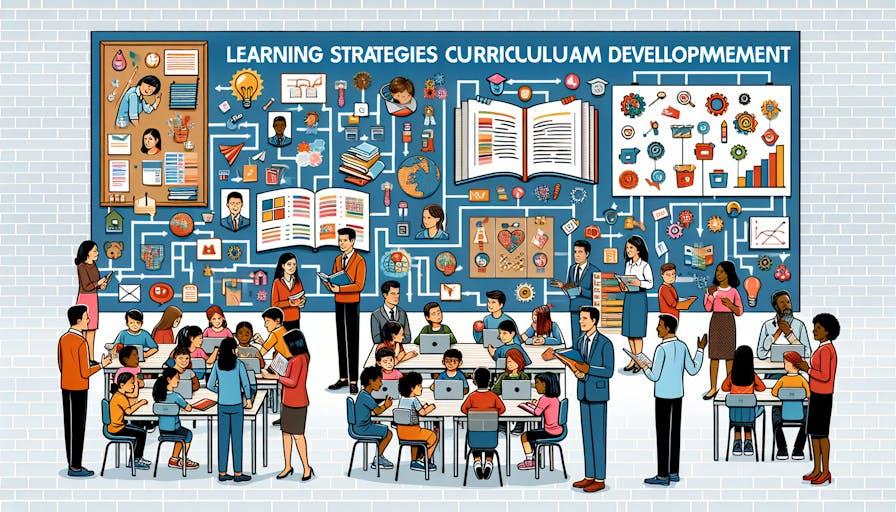
Inclusive Curriculum Design: Strategies to Support Diverse Learners
creating an inclusive curriculum is essential for cultivating equitable learning environments that recognize and value the diverse needs, backgrounds, and abilities of all students. Inclusive curriculum design bridges gaps in access, engagement, and achievement, ensuring every learner has the opportunity to thrive. In today’s educational landscape,effectively supporting diverse learners is more vital than ever. This thorough guide explores key strategies, benefits, and practical tips for developing an inclusive curriculum, with a special focus on approaches proven to help students succeed.
What is Inclusive Curriculum Design?
Inclusive curriculum design refers to educational planning that intentionally addresses the varied learning styles, abilities, cultures, and experiences found in modern classrooms. By adopting inclusive teaching strategies, educators create lessons, materials, and assessments that are accessible and relevant to a broad spectrum of students, including those with special educational needs (SEN), English language learners (ELLs), and learners from diverse cultural backgrounds.
- accessibility: Ensuring all learning materials and activities are accessible to students with different abilities.
- Cultural Responsiveness: Reflecting diverse perspectives and celebrating differences in the curriculum.
- Versatility: Adapting instruction to student strengths, interests, and needs.
- Equity: removing barriers and providing support to create equal learning opportunities.
Why Inclusive Curriculum Matters
Inclusive curriculum design benefits students,teachers,and schools by:
- Enhancing Engagement: Diverse learners feel valued and are more invested in their education.
- Improving Achievement: Tailored support enables all learners to reach their full potential.
- Fostering Empathy and Understanding: Shared learning experiences promote respect and cultural competence.
- Meeting Legal and Ethical Standards: Inclusive education aligns with global legislation and equity policies.
Research consistently shows well-implemented inclusive education practices can boost academic performance and social-emotional outcomes for all students—not just those with identified learning needs.
Key Strategies for Inclusive Curriculum Design
Designing an inclusive curriculum involves a variety of evidence-based approaches and practical methods to ensure every student can participate and succeed. Here are the moast effective strategies:
1. Worldwide Design for Learning (UDL)
- Multiple Means of Representation: Use varied formats (texts, audio, visuals, manipulatives) to present information.
- Multiple Means of Engagement: Offer choices in assignments, encourage collaboration, and connect learning to real-world interests.
- multiple Means of Expression: Allow students to demonstrate understanding through projects, presentations, written work, or digital media.
UDL is a proactive approach that anticipates learner variability, reducing the need for individual accommodations later.
2.Differentiated Instruction
- Modify content, Process, and Products: Adjust lessons based on student readiness, interests, and learning profiles.
- Flexible Grouping: Use small groups, pairs, and individual learning paths to match student strengths.
- Tiered Activities: Scaffold tasks so all students can access challenging material at their level.
3. Culturally Responsive Teaching
- integrate Diverse Perspectives: Feature literature, history, and examples from multiple cultures and identities.
- Community Engagement: Invite families and local organizations to participate and share knowledge.
- Reject Stereotypes: Use materials that break down myths and encourage critical thinking.
4. Assistive Technology and Digital Tools
- Accessibility Features: Employ tools like screen readers, captioning, and adaptive software.
- Online Learning Platforms: Encourage blended learning for self-paced progress and individualized support.
5. Collaborative Learning
- Peer Support: Pair students for peer tutoring, mentoring, and joint projects.
- Interactive Activities: Use discussions, role-playing, and cooperative problem-solving to build skills.
Practical Tips for Educators
- Get to Know Your Learners: Use surveys, conversations, and observations to understand student strengths, challenges, and interests.
- Adapt Assessments: Give alternative ways for students to show mastery, such as open-book tests, portfolios, or oral explanations.
- Establish Safe Spaces: Foster a classroom culture where diversity is celebrated and all voices are heard.
- Reflect and Revise: Continuously gather feedback and adjust your curriculum to better meet student needs.
- Professional Development: Take advantage of workshops on inclusive teaching to expand your toolbox and stay up-to-date.
Case Study: Inclusive Curriculum in Action
Riverwood Elementary school embarked on a journey to redesign its literacy curriculum to better support diverse learners, including ELLs and students with disabilities. Teachers collaborated to:
- Introduce bilingual books and materials representing a range of cultures.
- Implement flexible grouping based on student language proficiency and interests.
- Utilize assistive technology, such as speech-to-text tools and interactive apps.
- Provide professional development on UDL and differentiated instruction.
The result? Standardized test scores improved by 18% in reading, student attendance increased, and family engagement soared. Teachers noted that students felt more confident and actively participated in lessons, regardless of background or ability.
First-Hand Experience: Insights from Teachers
“When we started using Universal Design for Learning, our classroom transformed. Students who previously struggled now collaborated and shared ideas openly. Making the curriculum accessible and relevant helped everyone feel part of the learning community.”
— Ms. Rodriguez,Middle School Science Teacher
“Differentiating tasks doesn’t mean extra work—it means smarter planning.I can challenge high achievers while supporting those who need more help, all in the same lesson.”
— Mr. Lee, Primary School Teacher
the Benefits of Inclusive Curriculum Design
- Greater Student achievement: Inclusive environments foster academic success for a broader range of learners.
- Positive School Climate: Celebrating inclusion improves relationships, well-being, and behavior.
- Planning for the Future: Teaching with inclusion equips students to thrive in diverse workplaces and communities.
- Higher Retention rates: Inclusive schools often see fewer dropouts and higher graduation rates.
Inclusive Curriculum Design: Challenges and Solutions
Designing and implementing an inclusive curriculum isn’t without hurdles. Here’s how to address common challenges:
- Lack of resources: Use open educational resources (OER), leverage technology, and build partnerships to expand your toolkit.
- Time Constraints: Integrate small changes over time, and encourage team-based planning to share the workload.
- Staff Training needs: Advocate for ongoing professional development and peer coaching.
- Assessment Difficulties: Mix formative and summative assessments,and emphasize growth over one-size-fits-all metrics.
Conclusion: Building a Lasting Impact Through Inclusion
Adopting inclusive curriculum design strategies isn’t just beneficial—it’s imperative in today’s educational world. By prioritizing equity, flexibility, and cultural responsiveness, educators set the stage for meaningful learning that reaches every student. Whether you’re just starting or refining your practices, the journey toward inclusion is ongoing, filled with opportunities for innovation and growth.
Remember, every learner brings unique strengths. With the right tools and mindset, you can build a curriculum where diversity isn’t just acknowledged—it’s celebrated. Start implementing these strategies today and experience the transformative power of inclusive education.