
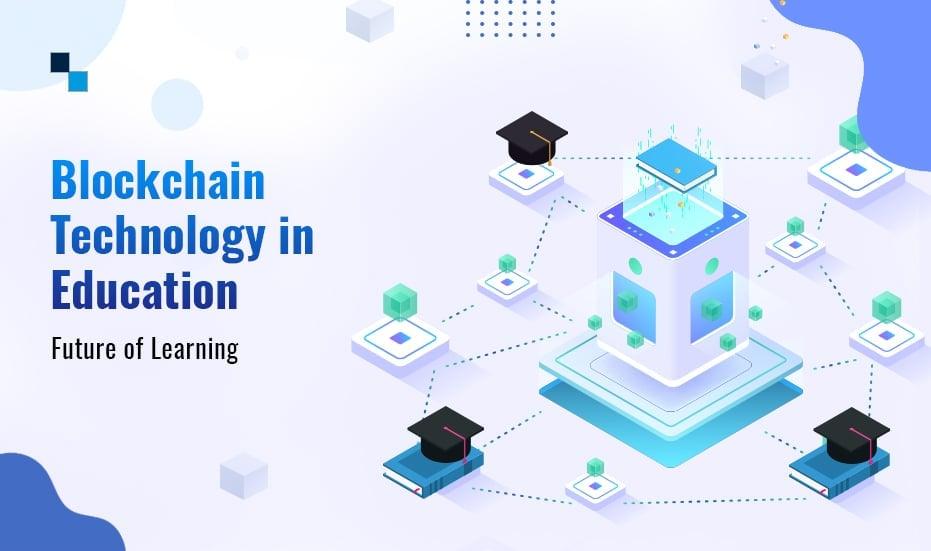
Innovative Case Studies: How Blockchain is Transforming Higher Education
In recent years, blockchain technology has emerged as a transformative force across various sectors. While it is widely recognized for its impact on finance and supply chain management, its application in higher education is gaining considerable momentum. From secure credentialing to obvious record-keeping, blockchain is streamlining operations, reducing fraud, and placing more power in the hands of both students and institutions.
in this complete article,we’ll explore how blockchain is transforming higher education through insightful case studies,practical benefits,and tips for academic institutions considering the integration of blockchain-based solutions.
Table of Contents
- Understanding Blockchain in Higher Education
- Key Benefits of Blockchain in Academia
- Innovative Case Studies: Blockchain in Higher Education
- Practical Tips for Implementing Blockchain in Higher Education
- First-Hand Experiences: Voices from the Field
- The Future of Blockchain in Higher Education
- Conclusion
Understanding Blockchain in Higher Education
Blockchain is a decentralized and immutable digital ledger that stores data across multiple computers, ensuring openness, security, and traceability. In the context of higher education, blockchain can be leveraged to manage academic records, transcripts, diplomas, and intellectual property securely while offering fast and tamper-proof verification processes.
- Decentralized data storage resists tampering and unauthorized modifications.
- Smart contracts enable automated processes such as credential issuance and verification.
- Tokenization of achievements and credits can be used to facilitate micro-credentials and digital badges.
Key benefits of blockchain in Academia
Adopting blockchain solutions in higher education yields several notable benefits that address long-standing challenges in the sector. Hear are some of the primary advantages:
Enhanced Credential Security
- Prevents degree and transcript forgery
- Ensures data authenticity and legitimacy
Streamlined Administrative Processes
- Automates verification,reducing staff workload
- saves time and administrative costs
Empowerment of Learners
- Gives students control over their academic records
- Eases transfer of credentials globally
Additional benefits include increased transparency,improved compliance with regulations,and fostering international academic partnerships with reliable record verification.
Innovative Case Studies: Blockchain in Higher Education
Let’s take a closer look at how pioneering institutions are applying blockchain technology to revolutionize higher education worldwide.
1. The MIT Digital Diploma initiative
The Massachusetts Institute of Technology (MIT) launched its Digital Diploma Initiative in 2017.Partnering with Learning Machine (now Hyland Credentials), MIT enabled graduates to receive tamper-proof digital diplomas stored on the blockchain.
- Graduates download digital credentials on their smartphones.
- Employers and othre institutions can instantly verify diploma authenticity using blockchain technology.
- Streamlined and secure process, eliminating the need for manual verification by the registrar.
2. University of Nicosia: Blockchain Education Leader
The University of Nicosia in Cyprus was the first university in the world to issue academic certificates based on blockchain technology. It established a robust system for both diploma issuance and public verification.
- All degree certificates and transcripts are registered on the Bitcoin blockchain.
- Students have permanent records, verifiable globally.
- The university offers the world’s first Master’s program in Blockchain and Digital Currency.
3. Sony Global Education and IBM Blockchain Partnership
Sony Global Education collaborated with IBM in 2017 to develop a blockchain-based platform for sharing student records between academic institutions.
- Ensures data security and consistency during student transfers.
- Enables lifelong learning records, supporting both traditional and non-traditional educational paths.
- Boosts global student mobility by simplifying transcript verification.
4. The Digitary Platform
Digitary, adopted by universities in Australia, Ireland, and the UK, allows graduates to store and share academic transcripts and credentials securely on a blockchain-powered platform.
- Students manage sharing permissions themselves.
- reduces risks of document fraud.
- Speeds up admissions and hiring decisions for employers and universities.
5. Singapore’s OpenCerts
Developed by the Government Technology agency of Singapore (GovTech), OpenCerts is a blockchain-based platform adopted by major universities and polytechnics for issuing and validating educational credentials.
- Automated, scalable solution for issuing graduation certificates.
- Verifiers can instantly check the legitimacy of documents online.
- Drastically cuts down processing time and administrative overhead.
Practical Tips for implementing Blockchain in Higher Education
For universities, colleges, and academic institutions considering the integration of blockchain solutions, here are some practical guidelines to ensure a successful transition:
- Start with Pilot Projects: Begin with manageable pilot programs—such as issuing digital diplomas—to test the waters and refine the process.
- Choose the Right Blockchain Platform: Evaluate platforms based on scalability, user-friendliness, and compliance with regulatory standards.
- Invest in Staff Training: Provide hands-on training for administrative staff and IT teams to understand blockchain workflows and protocols.
- Engage stakeholders: Involve students, faculty, employers, and alumni in shaping the solution to ensure wide adoption and relevance.
- Ensure Data Privacy and Security: Prioritize robust security measures to protect sensitive student data within blockchain frameworks.
- Stay Updated on Legal and Accreditation Aspects: regularly review compliance with data protection laws and accreditation standards in your region.
Implementing blockchain should be an iterative and collaborative process, tailored to the specific needs of your institution.
First-Hand experiences: voices from the Field
“We found that issuing digital diplomas on the blockchain drastically reduced the number of credential verification requests to our registrar’s office, allowing us to redirect staff resources to more value-driven tasks.”
– Registrar, Leading US university
“Blockchain-based certificates have not only made life easier for our graduates, but they have also enhanced their employability—especially for students seeking jobs abroad.”
– head of IT, European Academic institution
Thes testimonials underscore the tangible benefits of blockchain in higher education: improved efficiency, global reach, and enhanced student experiences.
The Future of Blockchain in Higher Education
The application of blockchain in higher education is still in its early stages, but the trajectory is clear.As more universities adopt blockchain-based solutions, we can expect:
- Broader adoption of decentralized academic ecosystems where achievements, badges, and micro-certifications are managed seamlessly.
- Evolution of digital identity management, giving students verifiable and portable academic “wallets.”
- Increased international cooperation through transparent, rapidly verifiable records.
- Integration with other emerging technologies like AI and IoT for dynamic learning environments.
Stakeholders should keep a close eye on interoperability standards, policy developments, and emerging best practices as blockchain continually shapes the future of learning.
Conclusion
It is evident that blockchain technology is transforming higher education in profound ways. From innovative projects at MIT and the University of Nicosia to government-led platforms like Singapore’s OpenCerts, blockchain in education is enhancing security, efficiency, and portability of academic records. By embracing this technology, institutions can foster greater trust, reduce administrative burdens, and open new frontiers for learning in the digital age.
For universities and colleges worldwide, now is the time to explore how blockchain can empower students, modernize administrative processes, and position themselves at the forefront of educational innovation.
Embrace the blockchain revolution – and help shape the future of higher education, today.