
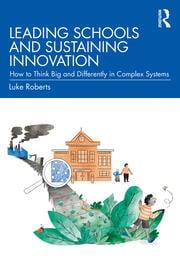
Innovative Sustainable Technologies transforming Educational settings: A Guide for Schools and Institutions
In today’s rapidly evolving world, educational institutions are at the forefront of adopting innovative sustainable technologies. Schools, colleges, and universities are seeking ways to reduce their environmental footprint, enhance learning experiences, and foster a culture of sustainability. In this comprehensive guide, we’ll explore cutting-edge sustainable technologies transforming educational settings and provide practical insights for administrators, teachers, and facility managers.
Table of Contents
- Introduction
- Benefits of Sustainable Technologies in Education
- Top Innovative Sustainable Technologies in Educational Settings
- Case Studies: Real-World Impact
- Practical Tips for implementing Sustainable Tech
- Conclusion
Introduction
Sustainability has become more than just a buzzword; it’s a driving force behind curriculum development, campus operations, and teaching methods in modern education. Innovative sustainable technologies are reshaping the way schools and institutions operate—reducing costs, improving efficiency, and empowering students to become environmentally responsible citizens. But what exactly are these transformative innovations, and how can educational leaders successfully integrate them?
Benefits of Sustainable Technologies in Education
Embracing sustainability through technology brings a host of advantages for schools and institutions, including:
- Environmental Impact Reduction: Lower carbon emissions, waste, and energy consumption.
- financial Savings: Long-term cost reductions via energy-efficient systems and resource management.
- Enhanced Learning Habitat: Improved indoor air quality, natural lighting, and adaptive spaces for student well-being.
- Future-Ready Skills: Hands-on exposure to renewable energy, green tech, and smart systems.
- Compliance and Reputation: Meeting environmental regulations and attracting eco-conscious students and staff.
Top Innovative Sustainable Technologies in Educational Settings
Several ground-breaking technologies are revolutionizing education with sustainability at their core. Let’s explore some of the most impactful innovations:
1. Smart Classrooms and IoT Integration
Smart classrooms utilize the Internet of Things (iot) to optimize resource usage and learning:
- Automated Lighting & HVAC: Sensors adjust lighting and heating/cooling based on occupancy and time, minimizing waste.
- Smart Boards & digital Devices: Reduce paper use and increase accessibility by adopting digital content delivery.
- Energy Monitoring Systems: Real-time tracking of energy consumption helps identify inefficiencies and areas for improvement.
2.Renewable Energy Sources
Switching to renewable energy solutions such as solar panels and wind turbines is a game-changer for educational facilities:
- Solar Power Installations: Schools harness the sun’s power to generate electricity and heat water, slashing utility costs and emissions.
- Geothermal Systems: Provide efficient heating and cooling while reducing dependence on fossil fuels.
- Energy Storage Solutions: Advanced batteries store excess renewable energy for later use during peak demand times.
3. Green Building design and Materials
Modern green buildings place sustainability at the heart of construction and renovation:
- LEED-Certified construction: Incorporating sustainable materials,water-saving systems,and high-performance insulation.
- Living Roofs & Walls: Natural vegetation enhances insulation and supports local ecosystems.
- Water Reclamation Systems: Collect and reuse greywater for landscaping and sanitation.
4. Digital and Paperless Initiatives
Going paperless reduces waste, improves collaboration, and streamlines administrative workflows:
- Cloud-based learning management systems (LMS) and document storage solutions.
- Online assessments and digital grading platforms.
- E-books and open educational resources (OER), minimizing textbook costs and paper usage.
5. Sustainable Transportation Options
campuses are adopting innovative, eco-amiable transportation solutions such as:
- Electric school buses and campus shuttles.
- Bicycle-sharing programs and secure bike infrastructure.
- Carpooling apps and incentives for low-emission vehicles.
Case Studies: Real-World Impact
Examples from leading educational institutions highlight the success of sustainable technologies in practice:
Green Mountain High School, Colorado
- Installed rooftop solar panels covering 70% of energy needs.
- Implemented digital assignment submission, reducing paper use by 60% in the first year.
- Upgraded to LED smart lighting, saving over $20,000 annually in electricity costs.
University of British Columbia, Canada
- Pioneered a living laboratory approach by integrating green buildings with student research on sustainability.
- Developed an extensive bike-sharing program that reduced campus car traffic by 20%.
- Used rainwater collection systems to irrigate campus gardens and lawns.
Practical Tips for implementing Sustainable Technology
Is your school or institution ready to embark on this journey? Here’s how to start integrating innovative sustainable technologies effectively:
-
Assess Current practices
- Conduct an energy,waste,and technology audit to identify opportunities for improvement.
- Solicit feedback from staff and students on sustainability priorities.
-
Prioritize and Plan
- Set achievable goals (e.g., reduce electricity use by 25% in five years).
- Create an implementation roadmap with phases and milestones.
-
Secure Funding and Partnerships
- Explore grants, government incentives, and green bonds for sustainability projects.
- Partner with tech companies, utilities, and local governments for expertise and support.
-
Engage Stakeholders
- Form sustainability committees with administrators, teachers, parents, and students.
- Spread awareness and provide training on new systems and practices.
-
Scale Responsibly
- Start with pilot projects and expand triumphant initiatives campus-wide.
- Leverage data analytics to measure progress and adjust strategies.
Conclusion
Innovative sustainable technologies are breathing new life into educational environments, balancing ecological stewardship with academic excellence. From smart classrooms to green energy and digital tools, these solutions empower schools and institutions to educate the next generation of leaders while safeguarding our planet’s future.
By embracing sustainable practices and investing in forward-thinking technologies, educational institutions not only meet regulatory requirements but also become role models for students, staff, and their wider communities. The journey toward sustainability is ongoing—why not take the next step today?