
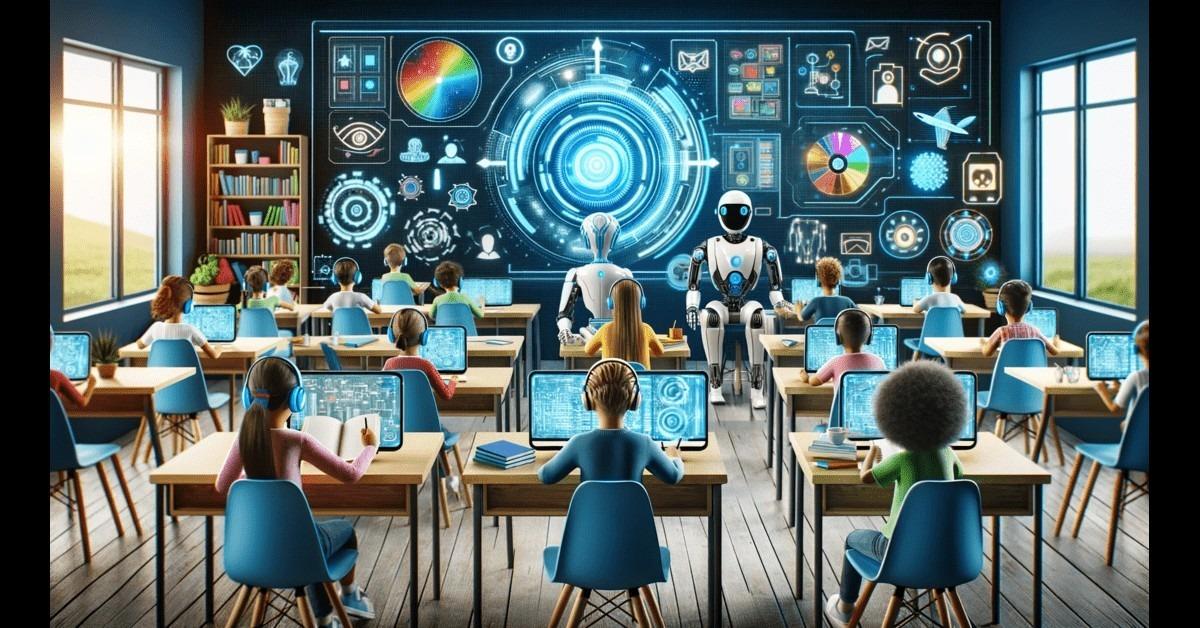
Inside Student Perspectives: Real Online Learning Experiences Revealed
Online learning has transformed the education landscape, offering flexibility and unprecedented access to resources. yet, what is it truly like to be a student engaged in e-learning? In this comprehensive article, we dive deep into authentic student perspectives, sharing real-life online learning experiences, practical tips, and expert insights to help you understand both the benefits and the challenges of virtual classrooms. Whether you’re considering an online course or curious about modern education trends,these firsthand accounts will deliver invaluable information.
Understanding Online Learning: A new Educational Era
Remote education, digital classrooms, and virtual peer collaboration have all become basic parts of modern learning. Sence the global pandemic, online learning platforms and distance education have seen exponential growth, catering to diverse needs—be it higher education, secondary school, or skill-based training.
- Flexibility: Attend classes from anywhere, at any time.
- Personalized Pacing: Study at a speed that suits you best.
- Global Collaboration: Connect with peers and instructors across continents.
- Resource Variety: Access multimedia content, discussion forums, and interactive modules.
Firsthand Student Experiences: Voices from Virtual Classrooms
What do real students say about their e-learning journeys? Let’s peek into the lives of learners who’ve experienced remote study firsthand. Their candid testimonials reveal the challenges, triumphs, and memorable moments of online education.
Case Study #1: Navigating college Online
“Initially, I worried about staying motivated. But interactive forums and group projects made me feel part of a community. Recorded lectures let me revisit complex topics, which wasn’t possible at my campus. the experience reshaped how I approach learning.”
— Alicia R., undergraduate Student
Case Study #2: Online High School Success
“Virtual labs and simulation tools made science lessons fascinating. I set my own schedule, which helped balance schoolwork and family responsibilities. While I missed in-person events,I found new friendships in online study groups.”
— Jamal K., High School Senior
Direct Survey Insights
- 76% of respondents appreciated the flexibility of online learning over customary classroom settings.
- 63% found self-discipline challenging, with many citing distractions at home.
- More than half of students surveyed felt “more confident” in managing tasks independently after their online learning experience.
Key Benefits: What students Love About Online Learning
- Self-Paced Learning: Students can revisit materials and take quizzes when ready, improving mastery.
- Accessibility: Disabled and geographically remote students gain equal footing in virtual classrooms.
- Time Management: Students craft schedules around work, life, or hobbies, fostering autonomy.
- Technology Skills: Learners gain fluency in digital collaboration, document sharing, and virtual presenting.
- expanded resource Access: From video lectures to online libraries, the wealth of materials exceeds that of traditional settings.
Challenges Students Face in Online Learning
While e-learning boasts many strengths, students candidly report their struggles. Recognizing these obstacles is crucial for future learners and educators alike.
- Isolation: The lack of in-person interactions may lead to feelings of loneliness.
- Motivation: Staying focused without physical supervision is often tough.
- Technical Issues: Unstable internet or outdated devices can disrupt learning.
- Time Management: Procrastination and poor scheduling can impact performance.
- Teacher Accessibility: Some students miss direct engagement with instructors.
Practical Tips: Maximizing Your online Learning Experience
Drawing from authentic student feedback, here are actionable strategies to succeed in virtual education.
Establish a Routine
- Set clear study hours and stick to them daily.
- Create a dedicated, distraction-free workspace.
Engage Actively
- Participate in discussion boards and group chats.
- Contact instructors proactively for feedback and assistance.
Use Tech Tools
- Leverage productivity apps (such as Trello, Notion, Google Calendar).
- Utilize accessibility features,like screen readers and closed captions.
Balance Well-being
- Schedule regular breaks to avoid screen fatigue.
- Integrate exercise and outdoor time into your daily routine.
The Future of Online Learning: What Students Expect
Current trends suggest online learning will keep evolving, prioritizing student needs and technological advancement. According to student perspectives:
- Personalized Learning: AI-driven tutoring and adaptive modules are highly anticipated.
- Hybrid Models: Students are excited about blended classrooms that mix digital and in-person interaction.
- Enhanced Social engagement: Virtual clubs, group projects, and networking opportunities will grow.
Conclusion: Why Student Perspectives Matter in Online Learning
Real student experiences are invaluable in shaping the future of digital education. By learning from the successes, challenges, and practical advice of actual learners, educators and institutions can enhance course design and support systems. For potential students, these insights offer guidance to maximize the online learning experience, making virtual classrooms not just a necessity, but a truly empowering path to personal and academic growth.
As you consider your own e-learning journey, keep in mind the voices and tips shared herein.The world of online education continues to expand: with the right strategies and an open mindset, you’re well-equipped to thrive in it.