
Instructional Design Consultant: Essential Skills, Roles, and career Guide
If you are passionate about leveraging education technology to enhance learning, a career as an Instructional Design Consultant in universities, colleges, or schools might be your ideal path. Instructional designers play a pivotal role in shaping modern education by blending pedagogy with technology to create engaging, effective learning experiences. This in-depth guide explores essential skills, responsibilities, benefits, and practical career tips for job seekers eager to pursue instructional design consulting in academia.
What is an Instructional Design Consultant?
An instructional Design Consultant specializes in designing,developing,and implementing educational content and learning solutions tailored for academic institutions. Working at the intersection of teaching strategies and digital technologies, these professionals collaborate with educators, administrators, and IT teams to ensure effective knowledge delivery. Whether in higher education, K-12 schools, or corporate training, instructional design consultants are critical to the success of digital learning initiatives.
Key Roles and Responsibilities
Instructional design consultants undertake a variety of tasks aimed at improving student engagement and learning outcomes. Thier core responsibilities typically include:
- Curriculum Growth: Designing lesson plans, modules, and entire courses that align with learning objectives and standards.
- Online Course Design: Creating interactive and multimedia-rich content for learning management systems (LMS) and e-learning platforms.
- Learning Assessment: Developing quizzes, assignments, and assessment tools to measure student progress and course effectiveness.
- Instructional Strategy Consultation: Advising educators on best practices for integrating technology and innovative instructional methods into their teaching.
- Faculty Training: Leading workshops and training sessions to help teachers and professors acquire new digital teaching skills.
- Project Management: Coordinating projects, timelines, and stakeholders to ensure seamless deployment of instructional materials.
- Technology Integration: Recommending and implementing educational technology tools, apps, and platforms.
Typical Work Environments
Instructional design consultants may work as in-house experts at universities, self-reliant contractors for school districts, or as part of educational technology firms supporting multiple institutions.Adaptability and versatility are crucial assets in this field.
Essential Skills for Instructional Design Consultants
To excel in education technology and instructional design consulting, professionals must possess a diverse set of technical and interpersonal skills. Here are some of the most critically important:
- Educational Theory & instructional Methods: Deep understanding of learning science, pedagogy, and curriculum standards.
- Digital Literacy: Skilled in using LMS platforms (e.g., Canvas, Moodle, Blackboard), multimedia creation tools, and online collaboration systems.
- Content Authoring: Proficiency with content creation software such as Articulate storyline, Adobe Captivate, or camtasia for developing interactive courses.
- Project Management: Effective leadership, institution, and time management to deliver projects on schedule.
- Dialog & Collaboration: Strong written and verbal communication skills to liaise with faculty, administrators, and IT.
- user Experience (UX) Design: Ability to craft intuitive, accessible, and inclusive learning environments.
- Data Analysis: Evaluating learning analytics and feedback to optimize course performance and outcomes.
- Problem Solving: Creative thinking to address instructional challenges and overcome technology barriers.
Qualifications and Education Requirements
While requirements can vary across institutions, the following qualifications are generally sought after for instructional design consultant roles:
- Bachelor’s Degree: In education, instructional design, curriculum development, or related fields.
- master’s Degree (Preferred): Advanced credentials in instructional design, learning technologies, or educational leadership.
- Certifications: Industry-recognized certificates such as Certified Instructional Designer/Developer (CIDD), ATD Certified Professional in Learning and Performance (CPLP), or Google Educator.
- Professional experience: prior experience in teaching, curriculum development, or educational technology implementation is highly valued.
Benefits of Becoming an Instructional Design Consultant in Education Technology
A career in instructional design consulting offers a range of rewarding benefits for job seekers:
- Career Advancement: the field presents ample opportunities for growth and specialization in higher education, K-12, or corporate learning sectors.
- Impactful Work: Play a direct role in improving educational access, student engagement, and learning outcomes across diverse populations.
- job Security: Increasing demand for online education and digital resources boosts long-term prospects.
- Variety and Flexibility: Enjoy dynamic projects, remote or hybrid work environments, and consultancy options.
- Continuous Learning: Stay ahead through ongoing professional development, conferences, and exposure to cutting-edge technologies.
Practical Tips for Aspiring Instructional Design Consultants
Breaking into and thriving in the field of education technology requires strategic planning and ongoing growth. Here are actionable tips to build a successful career as an instructional design consultant:
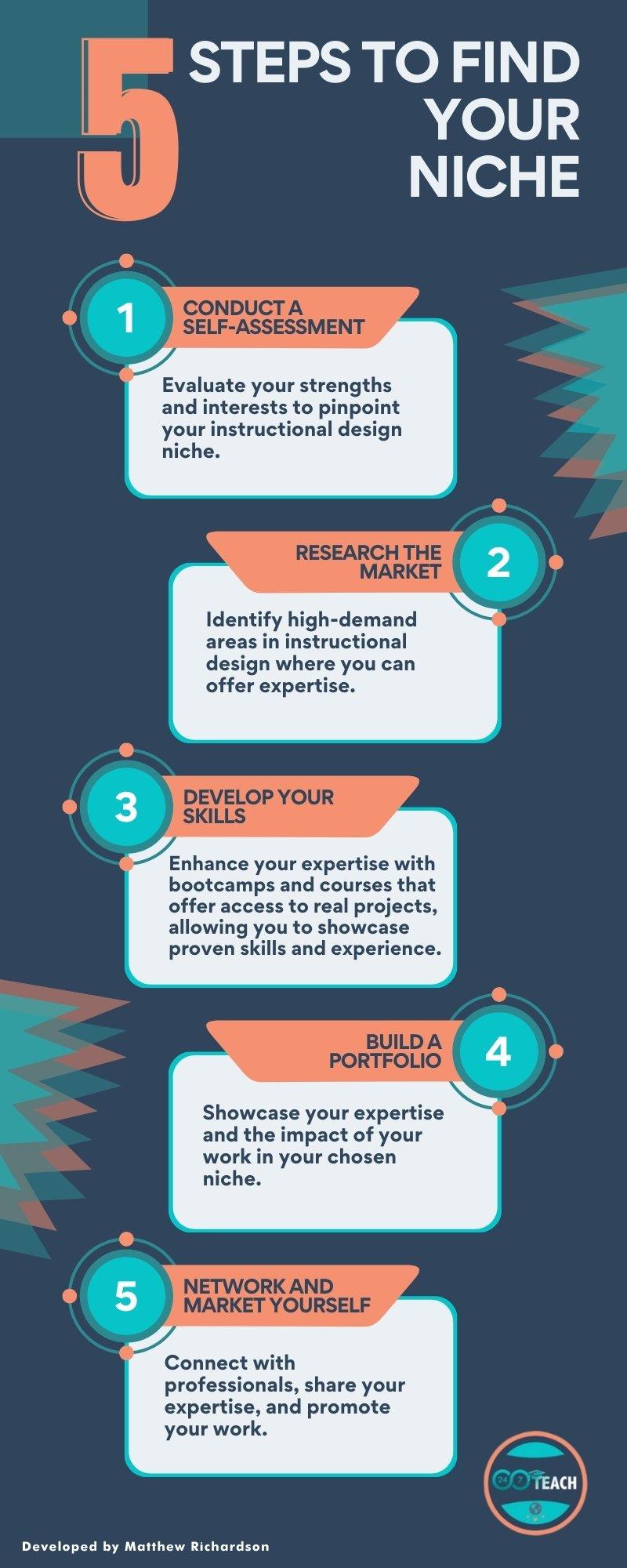
- 1. Build a Strong Portfolio: Showcase your instructional materials, course designs, and technology integration projects. Include evidence of impact, learner feedback, and results.
- 2. Network with EdTech Professionals: Join professional associations,attend industry events,and connect with educators on social media to expand your career opportunities.
- 3. Stay Current: Keep up with trends in instructional design, such as adaptive learning, gamification, microlearning, and accessibility best practices.
- 4. Gain Hands-On Experience: Volunteer for curriculum committees,participate in school-based projects,or offer freelance e-learning development to build your real-world skillset.
- 5.Pursue Professional development: Engage in certifications, webinars, and online courses to continuously upgrade your education technology expertise.
- 6. Master Key Technologies: Become proficient in at least one learning management system and several content authoring tools to stand out to employers.
- 7.Polish Communication Skills: Develop clear and persuasive communication abilities to effectively present solutions to stakeholders.
- 8. Emphasize Accessibility: Prioritize worldwide design principles to make learning experiences accessible to all students, nonetheless of ability.
Career Pathways and job Outlook
instructional design consulting offers a progressive career journey and strong job prospects:
- Entry-Level Opportunities: Start as an instructional designer, e-learning developer, or educational technologist.
- Mid-Level Roles: Advance to curriculum developer, learning consultant, or instructional technology specialist.
- Senior and Leadership Positions: Pursue roles such as lead instructional designer,director of educational technology,or academic innovation manager.
The market for instructional design professionals continues to grow as more universities, colleges, and K-12 schools invest in digital learning solutions and remote education. Specialized skills in emerging technologies such as artificial intelligence,data analytics,and immersive learning will place candidates at a distinct advantage.
Conclusion: Launch Your Career as an Instructional Design Consultant
Becoming an instructional design consultant in education technology is both a rewarding and future-proof career choice.By mastering essential skills and building a robust foundation in pedagogy, technology, and communication, you can play a crucial role in shaping the future of learning at universities, colleges, or schools. Explore certification programs, connect with industry professionals, and embrace lifelong learning to unlock exciting opportunities in the ever-evolving world of educational technology. Your journey as an instructional design consultant starts with one step—invest in your skills today and make an impact that lasts for generations.