
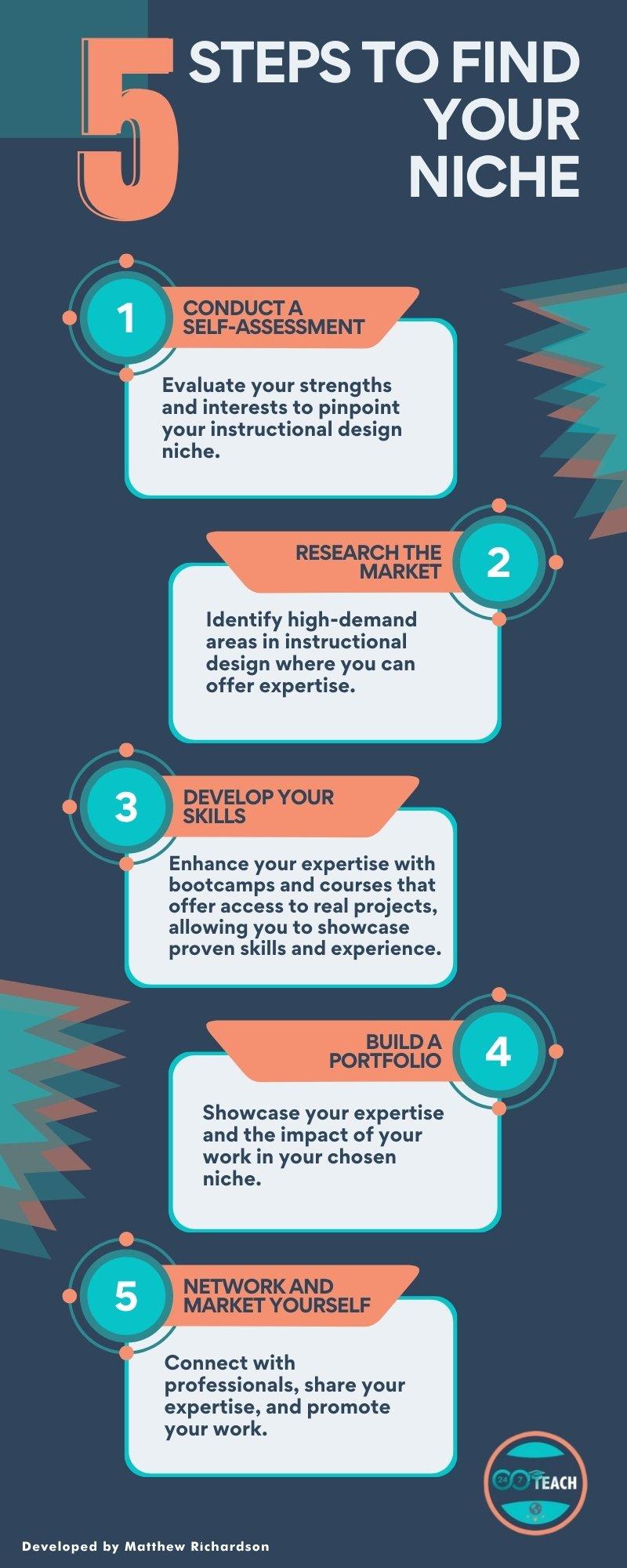
Instructional Design Consultant: Essential Skills, roles, and Hiring Tips
Are you passionate about transforming education through innovative technology and creative learning solutions? If so, the role of an Instructional Design Consultant in education technology might be the perfect career path for you. This comprehensive guide will walk you through essential skills, typical roles, and actionable hiring tips to land a fulfilling instructional design consultant position at universities, colleges, or schools. Whether you’re a recent graduate or an experienced educator seeking to pivot into edtech, this article is packed with insights to help you stand out in a competitive job market.
What Is an Instructional Design Consultant?
An Instructional Design Consultant is a specialist who collaborates with educational institutions to design,develop,and evaluate cutting-edge learning experiences. Using the latest educational technology, consultants create engaging online courses, blended learning modules, and curriculum enhancements that maximize student success. Their expertise bridges the gap between pedagogy, technology, and content, helping teachers and professors deliver effective, meaningful learning.
Key Responsibilities
- Analyze learning needs and objectives
- Design instructional materials and activities for diverse learners
- develop digital and blended learning experiences using learning management systems (LMS)
- Evaluate and revise curricula based on feedback and student performance
- Train educators to implement instructional technologies effectively
- Ensure alignment with institutional goals and accreditation standards
Essential Skills for instructional Design Consultants
To succeed as an instructional design consultant in education technology, you need a dynamic mix of hard and soft skills. Here are the core competencies most in demand:
1. Curriculum Design & Progress
- Expertise in instructional models such as ADDIE, SAM, and Bloom’s Taxonomy
- Ability to structure learning content for varied formats: in-person, online, hybrid
- Skill in mapping objectives to assessments and learning activities
2. Educational Technology Proficiency
- Hands-on experience with LMS platforms (Canvas, Moodle, Blackboard)
- Familiarity with multimedia authoring tools (Articulate Storyline, Adobe Captivate)
- Knowledge of interactive tools (Padlet, Kahoot, Google Classroom)
- Awareness of accessibility standards and universal design for learning (UDL)
3. Project Management
- Ability to manage multiple projects and deadlines
- Skill in budgeting, scheduling, and team communication
- Experience using project management tools (Asana, Trello, MS Project)
4. Communication and Collaboration
- Strong verbal and written communication skills
- Ability to collaborate with faculty, IT specialists, and administrators
- Competence in providing constructive feedback and training
5. Data Analysis and Assessment
- Skill in analyzing learning analytics and student assessment data
- Ability to use data to inform instructional strategies and improvements
Benefits of Working as an Instructional Design Consultant
Pursuing a career in instructional design consulting offers numerous rewards:
- Impactful Work: Shape the future of education by making learning more accessible and effective.
- Career Growth: High demand for instructional designers as universities and colleges embrace online and blended learning.
- Flexible Opportunities: Positions available as full-time staff, contractors, or remote consultants.
- Continuous Learning: Stay at the forefront of educational technology and instructional innovation.
- Networking Potential: Collaborate with experts across disciplines and institutions.
Roles and Work Environments in Education Technology
Instructional design consultants find opportunities in various educational settings. Here’s where you can thrive:
Universities and Colleges
- Work with professors to create digital courses and blended learning modules
- Support faculty in integrating multimedia tools and personalized learning pathways
- Collaborate on curriculum revisions supporting accreditation or programme expansion
K-12 Schools and Districts
- Design online and hybrid curricula aligned with state or national standards
- Implement professional development for teachers on instructional technology
- Develop interventions for special education or at-risk student populations
Virtual Learning & corporate Training
- Consult for online schools, educational startups, or corporate training teams
- Develop e-learning modules, microlearning resources, and interactive assessments
How to Get Hired as an Instructional Design Consultant: Practical Tips
The hiring process for instructional design consultants is competitive, so it’s essential to tailor your approach. use these proven tips to land your dream role:
1. Build a Professional Portfolio
- Showcase your instructional design work examples, such as course modules, curriculum maps, storyboards, and interactive demo lessons
- Include testimonials from educators or administrators who have benefited from your work
- Highlight your expertise in using specific edtech platforms and tools
2. Target Your Resume and cover letter
- Customize your resume to feature relevant skills, keywords (e.g., LMS, curriculum design, e-learning), and quantifiable achievements
- Address the institution’s mission and demonstrate your alignment with their values and strategic goals
3. demonstrate Thought Leadership
- Present at educational conferences or webinars on instructional design innovations
- Publish articles or resources on edtech platforms
- Engage in professional communities and LinkedIn groups
4. Master Interview Preparation
- Be ready to discuss successful projects, challenges faced, and problem-solving approaches
- Showcase your abilities to collaborate, adapt, and innovate in diverse educational environments
- Prepare a short teaching demo or course walkthrough if requested
5. Expand Your Credentials
- Pursue certifications in instructional design, educational technology, or project management
- Stay current with professional learning (online workshops, MOOCs, webinars)
Professional Development: Continuing Education and Networking
To remain competitive, instructional design consultants should continually enhance their skills:
- Join Professional Organizations: Membership in groups like the Association for Educational Communications and Technology (AECT) and the International Society for Technology in education (ISTE) provides resources and networking.
- Attend Conferences: Events like EDUCAUSE and Online Learning Consortium foster professional growth and connection.
- Pursue Advanced Degrees: Some roles favor candidates with master’s degrees in instructional design,education technology,or similar fields.
Common Interview Questions and How to Prepare
- How do you approach designing a new course or learning module?
Discuss your use of instructional design models, needs analysis, and collaboration strategies. - Which technology tools do you prefer and why?
Mention your favored LMS, e-learning authoring tools, and explain your reasons for choosing them. - How do you measure the effectiveness of instructional materials?
Talk about using learning analytics, feedback cycles, and formative assessments. - Describe a time you overcame resistance to technology adoption.
Give a clear example of advocacy, adaptation, and training approaches.
Frequently Used Keywords for Your Job Search
Integrating the right keywords in your job applications will help you get noticed by applicant tracking systems. Use these terms naturally:
- Instructional design consultant
- Curriculum development
- Educational technology
- e-learning
- Learning management systems (LMS)
- Blended learning
- Universal design for learning (UDL)
- online course development
- Faculty training
- Assessment and analytics
Conclusion
The evolving demand for Instructional Design Consultants across universities,colleges,and schools creates outstanding opportunities for professionals keen on educational technology. By mastering essential skills, understanding the unique roles in different educational environments, and following practical hiring tips, you can position yourself as a sought-after expert in instructional design.Build a strong portfolio,network strategically,and stay updated with the latest trends—your career as a transformative leader in edtech awaits!
Are you ready to start your journey as an instructional design consultant? Leverage the tools and insights outlined in this guide,and take confident steps toward a rewarding career in education technology.