
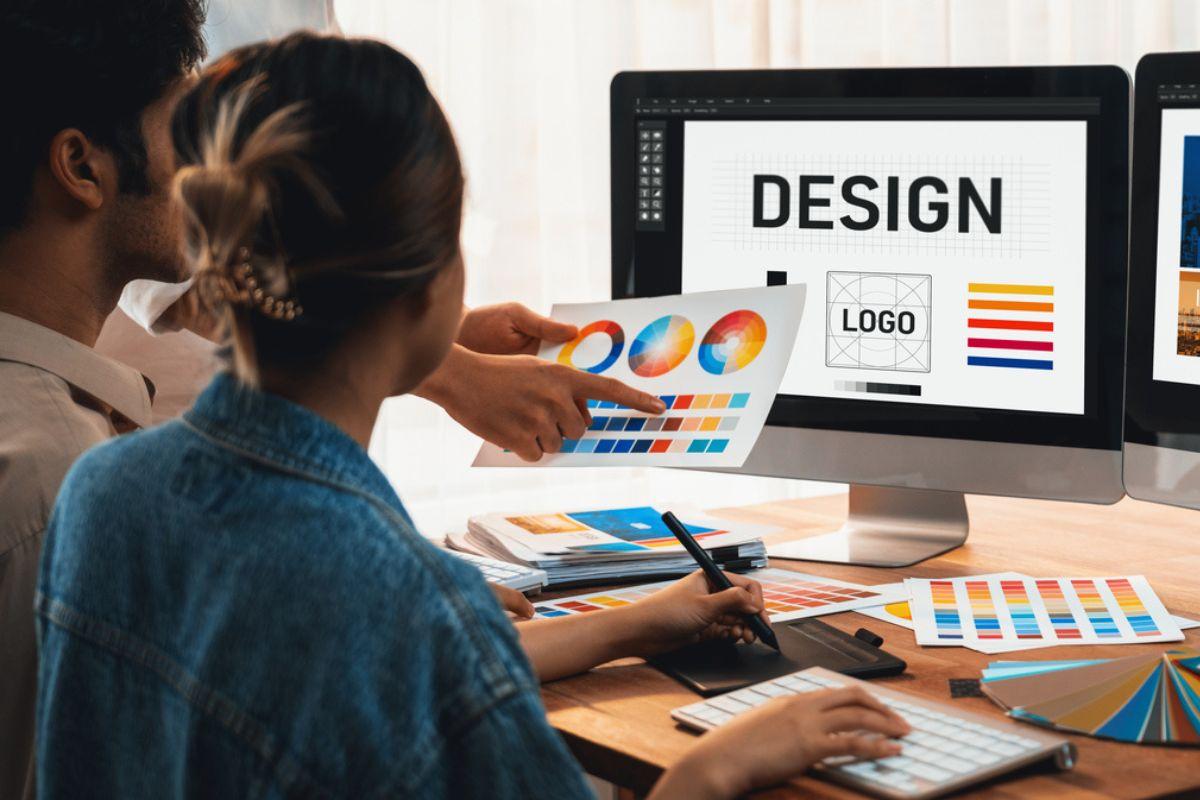
Instructional Design Consultant: Key Benefits & Expert strategies for Effective Learning
With the rapid advancement of education technology in universities, colleges, and schools, the role of the instructional design consultant has become more essential than ever. These professionals bridge the gap between educational theory and practical delivery, helping institutions create impactful and engaging learning experiences. whether you’re a job seeker eyeing a career in instructional design or an academic leader aiming to enhance your educational offerings, understanding the significance and strategies of instructional design consultants can unlock remarkable benefits for effective learning.
What is an Instructional Design Consultant in Education Technology?
An instructional design consultant specializes in designing, developing, and implementing educational programs using technology-driven approaches. Thay collaborate with educators, administrators, and tech teams in universities, colleges, and schools to ensure learning solutions are pedagogically sound, engaging, and accessible.
Typical responsibilities include:
- Analyzing instructional needs and learning goals
- Designing course content, activities, and assessments
- Integrating multimedia and online tools for enhanced learning
- evaluating and iterating course designs based on feedback and data
- Training faculty and staff on adopting new technology
This blend of education technology expertise and instructional best practices positions the consultant as a strategic partner in shaping impactful learning environments.
Key Benefits of Hiring an Instructional design Consultant
Engaging an instructional design consultant can provide numerous advantages to institutions and learners alike. If you’re considering a role in this field, highlighting these benefits during your job search will showcase your value to potential employers.
1. Improved Learning Outcomes
- Personalized Learning: Consultants use data-driven techniques to tailor content to diverse learners’ needs.
- Enhanced Engagement: Interactive elements, multimedia, and gamification make courses more compelling.
2. Efficient Use of Education Technology
- Tech Integration: Experts identify and implement the best technologies for the institution’s goals.
- Resource Optimization: Streamlined digital workflows save time and reduce costs.
3. Consistency Across Programs
- Standardized Quality: Well-developed materials ensure a consistent learning experience for all students.
- Scalable Solutions: Courses can be adapted and expanded as needed while maintaining quality.
4. Ongoing Professional Progress
- Faculty Support: Instructional design consultants empower educators to use new tools confidently.
- Skill Growth: Continuous training and coaching foster a culture of innovation and lifelong learning.
These key benefits illustrate how instructional design consultants drive success in the increasingly digital landscape of higher education and K-12 institutions.
Expert Strategies for Effective Learning: Instructional Design Consultant Insights
To excel as an instructional design consultant, mastering expert strategies is crucial. Below are actionable approaches commonly used by accomplished consultants to optimize learning outcomes:
1. Begin with a Needs Analysis
- Conduct stakeholder interviews to clarify learning goals
- Analyze current course performance and identify skill gaps
- Review student feedback and data for targeted improvements
2. Apply Learning Theories and Models
- Employ models like ADDIE (Analyze, Design, Develop, Implement, Evaluate) for a structured design process
- Incorporate principles from cognitive science, constructivism, and active learning
- Use backward design to align assessments with learning goals
3. Leverage Education Technology Effectively
- Utilize learning Management Systems (LMS) to organize and deliver content
- Integrate multimedia, simulations, and interactive activities
- Select tools and platforms that support accessibility and inclusivity
4. Test, Evaluate, and Iterate
- Use formative assessments and pilot testing to refine learning materials
- Analyze learning analytics for insights on student engagement and achievement
- Gather feedback from instructors and students to drive continuous betterment
5. Foster Collaboration and Communication
- Collaborate with subject matter experts for content accuracy
- Engage with IT teams for seamless tech integration
- Facilitate workshops and training sessions for educators
These strategies form the foundation for impactful courses and programs,helping universities,colleges,and schools stay ahead in the field of education technology.
Essential Skills and Qualifications for Instructional Design consultants
Job seekers aspiring to become instructional design consultants in the education sector should develop a robust range of skills and credentials. This will not only enhance employability but also ensure you make meaningful contributions in your role.
- educational Background: Degrees in instruction, curriculum development, education technology, or related fields
- Technical Proficiency: Familiarity with learning management systems (LMS), multimedia authoring tools, and online collaboration platforms
- Project Management: Ability to manage timelines, resources, and stakeholder communications
- Analytical Thinking: Strengths in data analysis, learner assessment, and course evaluation
- Communication Skills: Excellence in articulating complex ideas and training others
- Adaptability: willingness to embrace new technologies and respond to evolving educational trends
Certifications such as Certified Professional in Learning and Performance (CPLP) or Instructional Designer credentials can further validate your expertise and give your resume a competitive edge.
Practical Tips for Job Seekers: Landing an Instructional Design Consultant Role
If you’re passionate about transforming education through technology and want to secure a position as an instructional design consultant at a university, college, or school, consider these practical steps:
- Build a Diverse Portfolio: Document your instructional design projects, including course samples, lesson plans, and assessment tools.
- Stay Updated: Follow emerging trends in education technology,learning platforms,and online pedagogy.
- Network Actively: Connect with educators, tech specialists, and fellow instructional designers through conferences and online community groups.
- Customize Your Resume: highlight relevant experience and accomplishments, focusing on measurable learning outcomes.
- Prepare for Interviews: Be ready to discuss your design process, showcase problem-solving skills, and offer examples of technology integration.
- Demonstrate Commitment: Pursue ongoing professional development courses in instructional design and stay involved in the learning community.
By embracing these practical strategies, you’ll be well-equipped to stand out in the competitive field of instructional design within educational institutions.
Future Trends: The Evolving Role of Instructional Design Consultants
The field of education technology is continually changing, with new innovations and pedagogical models emerging every year. Instructional design consultants will increasingly leverage AI-driven analytics, immersive virtual and augmented reality content, and adaptive learning systems to create dynamic, personalized educational experiences. Staying current with these trends—and being proactive in experimenting with new technologies—will ensure lasting career success and impact.
Conclusion
Instructional design consultants are essential drivers of innovation and effectiveness in universities, colleges, and schools. By harnessing education technology, applying proven instructional strategies, and fostering collaboration, they elevate learning outcomes for all stakeholders. Whether you’re seeking to break into this rewarding career or looking to bring fresh expertise to your institution, understanding the core benefits and strategic practices outlined in this article will guide you toward impactful results and professional growth.
If you’re ready to contribute to the future of educational excellence, embrace the role of instructional design consultant with confidence—and make a lasting difference in every learner’s journey.