
Instructional Design Consultant: What They Do and How to Hire the Best Expert
Are you passionate about transforming education through technology and innovative learning solutions? If you’re considering a career in education technology at universities, colleges, or schools—or planning to hire a specialist—understanding the role of an Instructional Design Consultant is essential. Instructional design consultants bridge the gap between learning theory, technology, and practical curriculum development, driving impactful student outcomes. In this comprehensive guide,we’ll explore what instructional design consultants do,the benefits they bring,and tips on hiring the right expert to elevate your institution’s teaching and learning experiences.
What is an Instructional Design Consultant?
An Instructional Design Consultant is an education professional with expertise in designing, developing, and implementing effective learning experiences. They leverage educational theories, instructional strategies, and digital tools to create engaging curricula and training programs. These consultants work with universities, colleges, schools, and even corporate training departments to ensure content is accessible, learner-centered, and aligned with desired outcomes.
Key Responsibilities
- Needs analysis: Assessing current learning programs, identifying gaps, and understanding learner needs through surveys, interviews, and data analysis.
- Curriculum Design: Developing course structures, learning objectives, and sequencing activities for online, blended, or face-to-face environments.
- Content Development: Creating, adapting, or curating educational resources such as lesson plans, multimedia materials, assessments, and interactive modules.
- Technology Integration: recommending and implementing educational technologies, such as Learning Management Systems (LMS), authoring tools, and multimedia resources to enhance learning efficacy.
- Training & Support: coaching faculty, instructors, and staff to effectively utilize new curriculums and technologies.
- Evaluation & Improvement: Measuring learning outcomes and engagement, revising instructional strategies based on feedback and analytics.
Why Universities, Colleges, and Schools Need instructional Design Consultants
The demand for education technology and online learning solutions has surged in recent years. Institutions are seeking ways to deliver high-quality, accessible education to a diverse and evolving student body. Instructional design consultants play a pivotal role in this transformation by ensuring courses are engaging, inclusive, and grounded in best practices of teaching and learning.
- Improved Learning Outcomes: Well-designed courses enhance student comprehension, retention, and satisfaction.
- Enhanced Faculty Support: Instructional design consultants provide essential skills, resources, and support for faculty adapting to new teaching modalities.
- Scalable solutions: Digital learning experiences can reach more learners efficiently without sacrificing quality.
- Quality Assurance: Consultants ensure rigor, relevance, and accessibility, complying with educational standards and accreditation requirements.
- Cost and resource Optimization: Expertise in eLearning and blended learning can reduce long-term costs and maximize available resources.
Core Skills and Qualifications of an Instructional Design consultant
Candidates seeking roles—as well as those hiring—should look for a blend of educational, technical, and interpersonal skills. Here are the key qualifications:
- Educational Background: Most consultants have advanced degrees in instructional design, curriculum development, education technology, or a related field.
- Experience: Prior experience in K-12, higher education, or corporate training settings is highly valuable.
- Technical Proficiency: Familiarity with LMS platforms (such as canvas, Moodle, Blackboard), eLearning authoring tools (like Articulate Storyline, Adobe Captivate), and multimedia software.
- Knowledge of Learning Theories: Expertise in adult learning theory,constructivism,Universal Design for Learning (UDL),and assessment strategies.
- Project Management: Ability to manage timelines, stakeholders, and multiple projects simultaneously.
- Collaboration & Communication: Effective interpersonal skills to work with faculty, administrators, subject matter experts, and IT teams.
- Adaptability: Comfort with evolving technology and willingness to innovate in teaching and learning methods.
How to Hire the Best Instructional Design Consultant
Hiring the right instructional design consultant can make a considerable difference in the success of your educational programs. here’s a step-by-step guide to finding the best fit for your institution’s goals and culture:
1. Define Your Needs and Goals
- Clarify the scope of work, such as developing new online courses, revamping existing curricula, or providing faculty development workshops.
- Identify specific challenges (e.g., low online engagement, need for ADA compliance, integrating new technologies).
2. Draft a Clear Job Description
- Outline required qualifications,responsibilities,and desired experience.
- Mention familiarity with specific LMS or digital tools your institution uses.
- Highlight any unique needs, such as experience with K-12 curricula, higher ed accreditation, or corporate training.
3. Evaluate Portfolios and references
- Request work samples or portfolios showcasing relevant instructional design projects.
- Check references and reviews from past clients or employers in the education sector.
4. Assess Technical and Pedagogical Skills
- Conduct practical assessments: Have candidates review a course and propose improvements.
- Discuss familiarity with your institution’s specific needs and technologies.
5. Consider Cultural Fit and Collaborative Abilities
- Instructional design is team-oriented—ensure the consultant communicates effectively and aligns with your institution’s values and teaching ideology.
- Ask about their experience facilitating workshops or training sessions for educators.
6.Formalize the Engagement
- Establish clear deliverables, timelines, and performance metrics in your contract.
- Define feedback and revision processes to ensure continuous improvement.
Benefits of Hiring an instructional Design Consultant
- Fresh Viewpoint: external consultants offer an unbiased analysis of your programs and suggest innovative solutions.
- Efficiency: Experienced instructional designers can expedite course development,saving time and resources.
- Customization: Consultants tailor strategies for your unique institutional context and learner demographics.
- Professional Development: By training faculty and staff, consultants help build internal capacity for ongoing improvement.
- Return on Investment: Well-designed programs lead to better student performance, retention, and satisfaction.
Practical Tips for Job Seekers Interested in Instructional Design Consulting
If you’re exploring a career as an instructional design consultant in education technology, consider these tips:
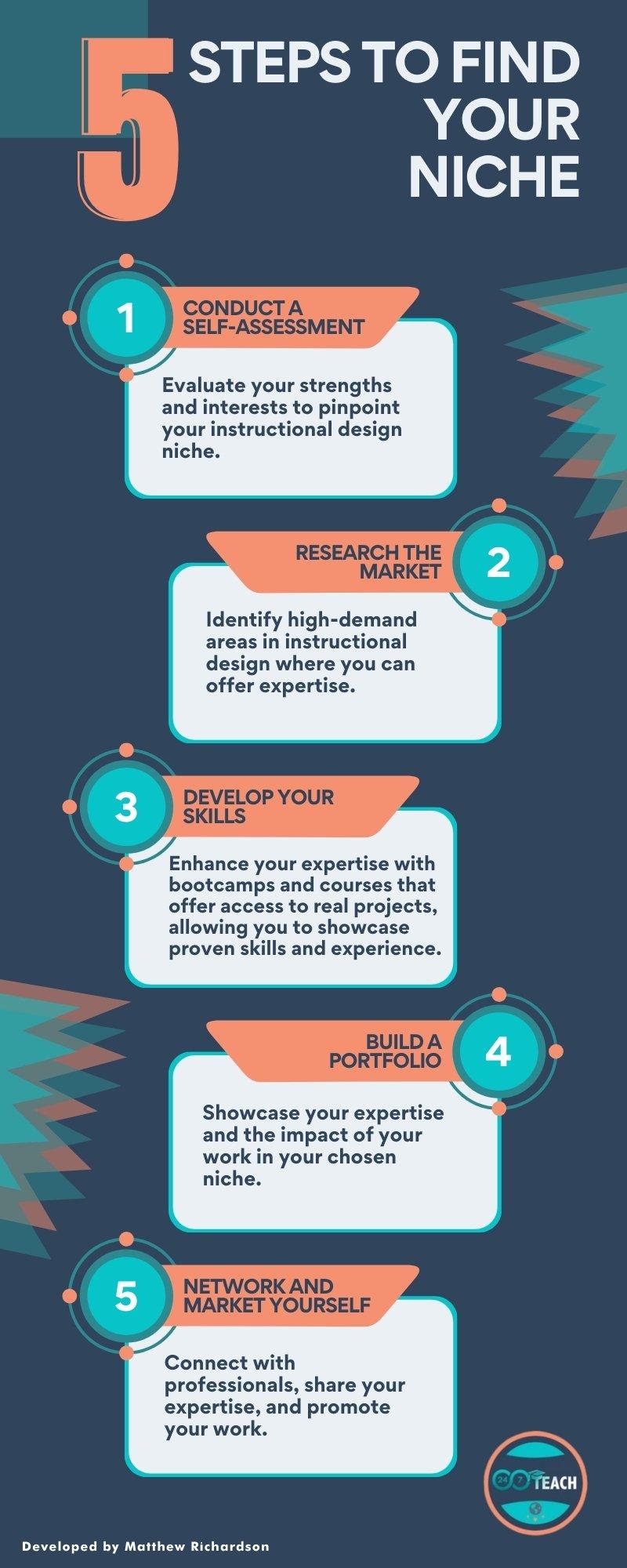
- Build a Diverse Portfolio: Showcase a variety of projects, such as eLearning modules, blended course designs, and faculty training resources.
- Stay Updated: Continuously learn about new educational technologies, instructional methods, and emerging trends like gamification and adaptive learning.
- Network Widely: Connect with educators, instructional designers, and edtech professionals at conferences and on professional platforms.
- Develop Communication Skills: Clear articulation of instructional strategies and technology benefits is crucial for consulting success.
- Pursue Relevant Certifications: Consider certifications such as ATD, CPLP, or specialized edtech credentials.
- Demonstrate Measurable Impact: Use data and analytics to show how your designs improved learning outcomes and engagement.
Conclusion
Instructional design consultants are crucial agents of change for universities,colleges,and schools embracing education technology. Their ability to blend pedagogical expertise with technical know-how results in engaging, inclusive, and effective learning experiences. For institutions seeking to improve educational delivery and for professionals aspiring to enter this dynamic field,understanding the role,required skills,and best hiring practices is the first step to success. Whether you’re looking to hire or become an instructional design consultant, adopting a strategic approach will help you drive innovation and transform the future of education.