
Instructional Designer: Key Roles, Essential Skills, and Career Path Explained
Education technology (EdTech) continues to revolutionize how students learn and educators teach across universities, colleges, and schools. As digital learning becomes central to modern education, the role of the instructional designer has never been more in demand or influential.If you are seeking a rewarding career in education technology, understanding the instructional designer role is essential. In this thorough guide,we’ll explore the core responsibilities,necessary skills,career trajectories,benefits,and practical tips for aspiring instructional designers in academic settings.
What is an Instructional Designer?
An instructional designer is a professional whose primary obligation is to create, develop, and enhance educational experiences. Working closely with faculty, subject matter experts, and other stakeholders, instructional designers apply theories of learning and technology to build effective instructional materials—ranging from online courses and multimedia content to blended and in-person training modules.
The demand for skilled instructional designers is growing rapidly as educational institutions adopt innovative tools and digital resources to improve teaching and learning outcomes.Instructional designers act as the bridge between content experts and learners, ensuring that educational resources are engaging, accessible, and effective.
Key Roles and Responsibilities of an Instructional designer
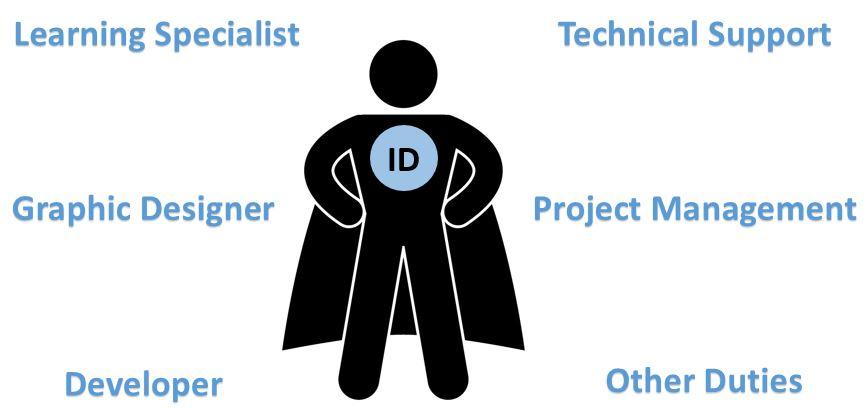
Instructional designers in universities, colleges, or schools perform a wide range of tasks that require both educational expertise and technical proficiency. Here are the main duties you can expect in this role:
- Course Design and Development: planning, structuring, and creating learning modules or full courses—from initial needs analysis to deployment.
- Curriculum Alignment: Ensuring content aligns with institutional learning goals, academic standards, and accreditation requirements.
- Technology Integration: Selecting and integrating appropriate educational technologies, such as Learning Management Systems (LMS), e-learning software, and multimedia tools.
- Collaboration with Subject Matter Experts (SMEs): Working directly with instructors, professors, or teachers to develop accurate and pedagogically sound content.
- Assessment Development: Designing effective assessment tools,including quizzes,assignments,and interactive activities to measure learning outcomes.
- Accessibility and Inclusivity: Creating materials that are accessible to all learners,including those with disabilities,by adhering to best practices and legal requirements.
- evaluation and Continuous Enhancement: Gathering feedback, analyzing course performance data, and refining instructional materials for ongoing improvement.
- Support and Training: training faculty and staff on best practices in online teaching, technology use, and instructional strategies.
Essential Skills for Success as an Instructional Designer
To thrive as an instructional designer in education technology at universities, colleges, or schools, you’ll need a blend of soft skills, pedagogical expertise, and technical no-how. The following skills form the foundation of a triumphant instructional design career:
1. Educational Theory and Instructional Design Models
- Strong knowledge of learning theories (e.g., Constructivism, Bloom’s Taxonomy, ADDIE, SAM).
- Capability to apply instructional models to design individualized or group learning experiences.
2. Technical and Digital Literacy
- Proficiency in Learning Management Systems (such as Canvas, Moodle, Blackboard).
- Experience with e-learning authoring tools (Articulate Storyline, Adobe Captivate, Camtasia).
- Basic familiarity with HTML, CSS, or multimedia production (audio, video editing).
3. Communication and Collaboration
- strong written and verbal communication skills for sharing ideas and feedback.
- Experience working with cross-functional teams including faculty, IT professionals, and administrators.
4. Project Management and Organization
- Ability to manage multiple projects, set priorities, and meet deadlines.
- Proficiency in using project management tools and methodologies.
5. Problem-Solving and creativity
- Innovative mindset for designing engaging, interactive learning experiences.
- Resourcefulness in solving instructional or technical challenges.
6. Commitment to Accessibility and Worldwide Design
- Understanding of accessibility standards (WCAG,Section 508).
- Willingness to ensure all learners are served,irrespective of ability or background.
Education and Qualifications
Instructional designers typically hold at least a bachelor’s degree, even though many positions—especially at universities or colleges—require a master’s degree in instructional design, education technology, curriculum development, or a related field. Coursework and certifications focused on e-learning tools, instructional design models, and learning analytics are highly beneficial.
- Bachelor’s degree (minimum), preferably in education, Instructional Design, Educational Technology, Curriculum & Instruction, or related discipline.
- Master’s degree frequently enough preferred or required for higher education settings.
- Professional certifications (e.g., Certified Professional in Learning and Performance – CPLP, ATD, edX Certified Instructional Designer) add value.
Career Path: Growth and Advancement Opportunities
The career path for instructional designers in educational technology is both exciting and dynamic. As an entry-level instructional designer,you may start by assisting with course development or supporting digital curriculum initiatives. With experience and continued professional development, the following advancement opportunities can unfold:
- Lead Instructional Designer or senior Instructional Designer: Overseeing larger projects or teams, mentoring junior designers, and managing comprehensive academic programs.
- Instructional Design Manager or Director: Directing instructional design teams, shaping institutional strategy, and leading large-scale EdTech projects.
- Learning Experience Designer or Educational Technologist: Focusing on holistic student experiences, integrating emerging technologies (AI, VR, gamification).
- Faculty Development Specialist: Leading workshops and professional development for educators.
- Consultant or Freelance Designer: Offering specialized design and development services to multiple institutions or edtech companies.
With digital transformation in education, opportunities are continually expanding—both in academic institutions and within edtech companies, non-profits, and corporate training environments.
Benefits of Being an Instructional designer in EdTech
Pursuing a career as an instructional designer within educational institutions offers immense rewards. Here are some key benefits:
- Impactful Contribution: Directly shape how students learn and achieve academic success.
- High Demand: Growing need for qualified instructional designers in higher education and K-12 sectors.
- Diverse Work: engage in varied projects—online courses, multimedia, faculty training, workshops, and more.
- Continuous Learning: Stay at the forefront of educational innovation and leverage the latest technologies.
- Job Flexibility: Opportunities for remote work, contract roles, and flexible schedules.
- Professional Growth: Pathways to senior roles, leadership, or specialization in areas like accessibility, UX, or learning analytics.
Practical Tips for Aspiring instructional Designers
Ready to launch yoru career in instructional design for education technology? These practical tips will help you stand out in your job search and excel in your new role:
- Build a Strong Portfolio: Showcase course designs, e-learning samples, or curriculum maps—demonstrating your ability to translate learning objectives into engaging experiences.
- Continue Learning: Stay current with the latest EdTech trends, tools, and best practices via webinars, online courses, and professional development.
- Network Within the Field: Connect with instructional designers, faculty, and EdTech professionals both in-person and online to discover opportunities and gain insights.
- Customize Your Resume: Tailor resumes and cover letters to highlight relevant experience,emphasizing both technical and collaborative strengths.
- Highlight Soft Skills: Employers highly value adaptability, communication, and problem-solving in addition to technical prowess.
- Gain hands-On Experience: Volunteer or intern in academic technology units, help faculty with course redesign, or participate in campus projects as an entry point.
- Seek Feedback: Request evaluations and constructive criticism to continually refine your instructional design approach.
Conclusion: Embark on a Fulfilling EdTech Journey
becoming an instructional designer in education technology at universities, colleges, or schools is an exciting way to blend pedagogical expertise with cutting-edge technology to shape the future of learning.Now is the perfect time to pursue this in-demand and rapidly evolving career. With its dynamic roles, opportunities for impact, and avenues for advancement, instructional design offers professionals the chance to make meaningful contributions to education every day.
Whether you are just starting out or looking to advance your career in EdTech, mastering the key roles and skills detailed here can set you up for success. Embrace the journey, keep learning, and inspire the next generation of learners and educators through innovative instructional design.