
Instructional Designer: Key Roles, Essential Skills, and Career Path Guide
Are you passionate about transforming education through technology? A career as an Instructional Designer in universities, colleges, or schools offers meaningful opportunities to blend creativity, pedagogy, and technical expertise. This complete guide covers everything job seekers need to know about working as an instructional designer in education technology, including responsibilities, skills, benefits, and career tips to optimize your success.
What Is an Instructional Designer in Education Technology?
An instructional designer is an educational professional who collaborates with faculty, teachers, and administrators to create effective learning experiences using digital tools and methodologies. As education embraces technology in classrooms and online platforms, instructional designers play a crucial role in making learning engaging, accessible, and impactful—whether for K-12 schools, colleges, or universities.
Key Roles and Responsibilities of Instructional designers
Instructional designers wear many hats in the educational landscape.Understanding the core responsibilities helps job seekers learn what to expect and how to prepare for success.
- Curriculum Development: Design, revise, and enhance course curricula for face-to-face and online learning environments.
- Learning Material Creation: Develop instructional content such as lesson plans, multimedia presentations, interactive modules, assessments, and eLearning resources.
- Technology Integration: Identify and implement innovative educational technologies (LMS platforms, virtual classrooms, educational apps) to improve learner engagement.
- faculty Collaboration: Work closely with subject matter experts,instructors,and teachers to understand learning objectives and tailor solutions to institution-specific needs.
- Student Support: Focus on learner-centered instructional strategies, ensuring accessibility, inclusivity, and adaptability for diverse student populations.
- Evaluation and Improvement: Analyze the effectiveness of instructional programs using analytics, feedback, and ongoing assessment for continuous enhancement.
- Professional Development: Organize and deliver faculty training sessions on instructional technologies and best practices.
Essential Skills for Instructional Designers in Education Technology
Landing a job as an instructional designer in schools, colleges, or universities requires a mix of technical expertise, pedagogical understanding, and interpersonal skills. Here are the top skills employers look for in education technology roles:
- Instructional Design Models: Proficiency in models like ADDIE, SAM, and Backward Design for systematic curriculum planning.
- Learning Management Systems (LMS): Experience with platforms such as Canvas, Moodle, Blackboard, and Google Classroom.
- Digital Content Creation: Ability to create engaging multimedia, video lectures, podcasts, screencasts, and interactive resources.
- Assessment Design: Craft effective formative and summative assessments using rubrics, quizzes, and adaptive testing tools.
- Pedagogical Knowledge: Understanding of learning theories, differentiation, adult education principles, and instructional strategies.
- Project Management: Organize and manage multiple projects, collaborate across teams, and meet tight deadlines.
- Communication: Present ideas clearly in writing, visuals, and presentations; facilitate professional development workshops.
- Technical Skills: Familiarity with authoring tools (articulate, Captivate, Storyline), graphic design (Adobe Creative Suite), and coding basics (HTML, CSS).
- Data Analysis: Interpret analytics and learner data to improve instructional effectiveness.
- Adaptability: Stay current with emerging educational technologies and trends, such as AI in education and gamification.
Education and Qualifications Needed
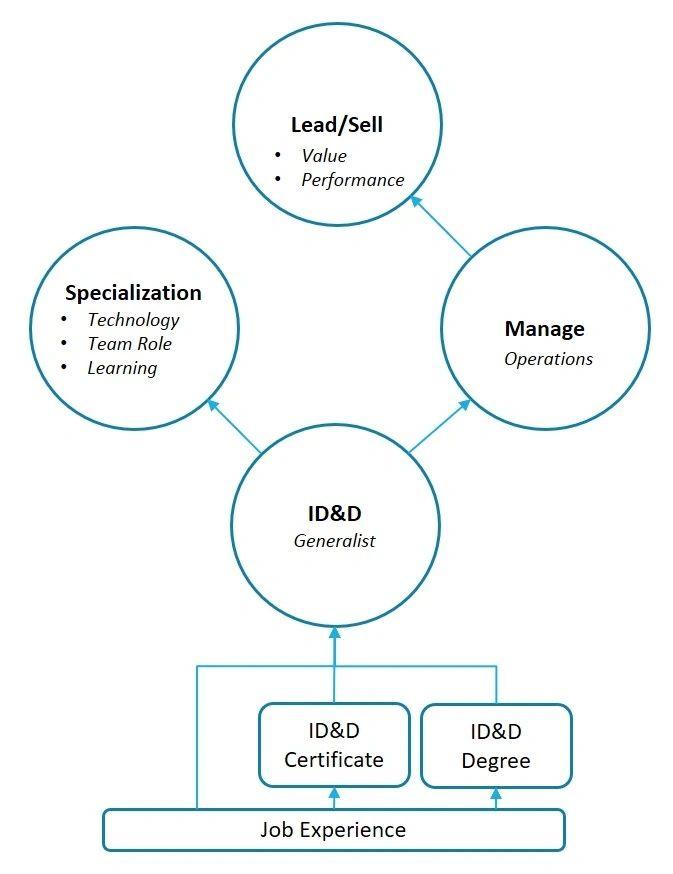
Most instructional designer roles in education technology require at least a bachelor’s degree, and increasingly, a master’s in instructional design, educational technology, curriculum and instruction, or a related field. Additional certifications (such as ATD,ISTE,or Google Educator) enhance your profile and signal a commitment to ongoing professional development.
Benefits of Becoming an Instructional Designer in Education Technology
Instructional design jobs offer rewarding benefits for those passionate about innovation in education:
- Career Variety: Opportunities to work in K-12 schools, higher education institutions, corporate training, or nonprofit organizations.
- Creative Impact: Shape the future of learning by designing interactive, student-centered experiences.
- Professional Growth: Access to ongoing training, networking events, and conferences in the fast-evolving education technology sector.
- Versatility: Many instructional design roles offer remote work options and flexible schedules.
- Positive change: Make a difference by improving educational outcomes and accessibility for all learners.
- Competitive Salary: Salaries in education technology instructional design roles are frequently enough higher than traditional teaching positions, with attractive benefits.
Typical Career Pathways for Instructional Designers
A career in instructional design can evolve in diverse directions, offering room for advancement and specialization:
- Entry-Level Roles: Instructional Technologist, Curriculum Support Specialist, eLearning Developer.
- Mid-Level Positions: Instructional Designer, Learning Experience Designer, Senior E-learning Specialist.
- Advanced Careers: Director of Instructional Design, Head of Educational Technology, Learning and Development Manager.
- Specializations: Accessibility Design, Gamification Specialist, Online Program Manager, Mobile Learning Designer.
Promotion along the instructional design career ladder frequently enough depends on gaining advanced degrees, building a robust portfolio, and developing leadership skills.
Practical Tips for Getting Hired as an Instructional Designer in Education Technology
Ready to jump-start your career? These actionable steps will help you stand out when applying for instructional designer roles in universities, colleges, or schools:
- Build an Impressive Portfolio: Showcase your best work—course designs, eLearning modules, multimedia projects, and curriculum maps.
- Gain Relevant Certifications: Pursue credentials like google Certified Educator, ATD Instructional Design Certificate, or ISTE Certification.
- Network with Peers: Attend education technology meetups, webinars, and conferences to connect with hiring managers and industry leaders.
- practise with Authoring Tools: Get hands-on experience in popular software to demonstrate technical expertise during interviews.
- Stay current: Follow education technology trends, read relevant blogs, and participate in online communities.
- Tailor Your Resume and Cover Letter: Highlight keywords like “instructional design,” “curriculum development,” “LMS,” and “digital learning” to optimize for job searches.
- Seek Informational Interviews: Reach out to current instructional designers to learn about day-to-day challenges and best practices.
- Demonstrate Soft Skills: Show your adaptability, creativity, communication, and collaborative abilities throughout your application and interview process.
Current Trends in Education Technology Instructional Design
The field of instructional design is continuously evolving. Key trends shaping the profession include:
- Personalized Learning: Using data and analytics to tailor educational experiences to individual learner needs.
- Blended and Hybrid Learning: Combining in-person and digital education for flexible program delivery.
- Microlearning: Developing bite-sized, focused modules to boost engagement and retention.
- Immersive Technologies: Incorporating VR, AR, and gamification into curricula for interactive learning.
- Accessibility and inclusivity: Ensuring all materials meet global design standards for diverse students.
Conclusion: Launch your Impactful Career as an Instructional Designer
The demand for instructional designers in education technology is on the rise, driven by virtual learning, innovation, and a focus on student outcomes. Whether you’re just starting out or looking to advance your expertise, this rewarding career blends creativity, pedagogy, and technology to shape the future of education. Master the key skills, build a strong portfolio, and stay updated with industry trends—your journey as an instructional designer can open doors to meaningful opportunities in universities, colleges, and schools.
If you’re ready to help transform learning experiences, explore instructional designer roles and take your place as a leader in education technology.Your skills and passion can make a real difference for students and educators worldwide.