
Instructional Designer: Key Roles, Essential Skills, adn Career Path Insights
As education technology transforms learning experiences across universities, colleges, and schools, the demand for skilled instructional designers is booming. If you are passionate about leveraging technology to facilitate effective teaching and learning, a career as an instructional designer could be a perfect fit. This comprehensive guide will explore the roles, essential skills, benefits, and career pathways of instructional designers in the academic sector, alongside practical tips to launch or advance your journey in this exciting field.
What Is an Instructional Designer?
An instructional designer develops engaging and effective learning experiences for students, faculty, or staff. By combining pedagogical knowledge with expertise in education technology, these professionals create curricula, materials, and online courses that support educational goals in universities, colleges, K-12 schools, and other academic institutions.Instructional designers innovate new ways of teaching, integrate digital tools, and ensure learning outcomes are met in both virtual and traditional classroom settings.
Key Roles and Responsibilities of an Instructional Designer
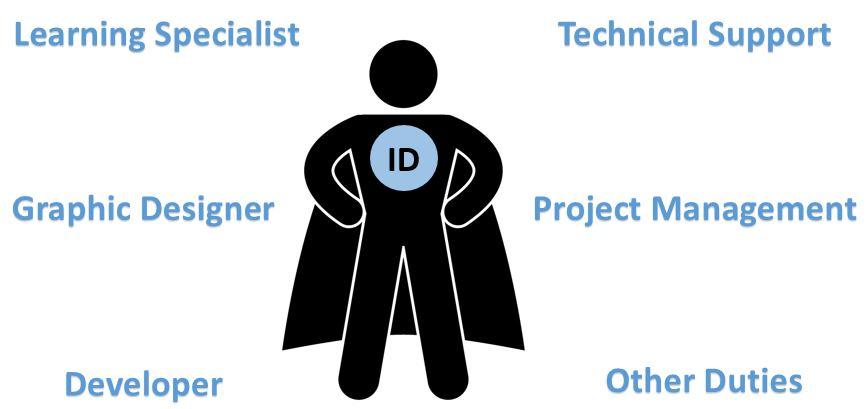
The instructional designer role in higher education or schools is multifaceted and dynamic.Here are some of the core responsibilities typically associated with instructional designers in academic settings:
- Needs Analysis: Assess the educational needs of learners and instructors to determine instructional goals and objectives.
- Curriculum Growth: Design courses, modules, and learning paths that align with institutional standards and student needs.
- Content Creation: Develop engaging instructional materials, including syllabi, lesson plans, multimedia presentations, e-learning modules, and assessments.
- Technology Integration: Implement and support learning management systems (LMS), educational apps, and other digital tools that enhance teaching and learning.
- collaboration: Work closely with faculty members, subject matter experts, administrators, and IT professionals to deliver high-quality learning experiences.
- Evaluation and Feedback: Analyze the effectiveness of instructional materials and learning programs through data, surveys, and feedback; recommend improvements as needed.
- Professional Development: Train and support educators in adopting new technologies and instructional strategies.
- Accessibility and Inclusion: Ensure all instructional materials comply with accessibility standards and promote inclusive learning.
Essential Skills for Instructional designers
Succeeding as an instructional designer in education technology requires a blend of technical, creative, and interpersonal skills. Here are the most valuable skills prospective instructional designers should cultivate:
- Instructional Design Models: Familiarity with models such as ADDIE, SAM, or Bloom’s Taxonomy to systematically create effective learning experiences.
- educational Technology Proficiency: Expertise in LMS (e.g., Canvas, Blackboard, Moodle), authoring tools (Articulate Storyline, Adobe Captivate), and common collaborative platforms.
- Project Management: Ability to manage timelines, priorities, and cross-functional teams to deliver projects on schedule.
- Learning Assessment: Skills in creating valid, reliable assessment tools to measure learning outcomes.
- Visual Design: Experience in graphic design or multimedia creation to make learning materials visually appealing and effective.
- Communication: Strong writing and editing skills, with the capacity to explain complex concepts in plain language.
- Problem-Solving: Creative approach to addressing learning challenges and adapting materials for diverse audiences.
- Adaptability: Willingness to stay current with emerging technologies and pedagogical trends in education technology.
Key Benefits of a Career as an Instructional Designer
A career in instructional design within universities, colleges, or schools offers both personal satisfaction and professional growth. Among the top benefits are:
- Impactful Work: Directly shape how students and educators engage with content, fostering better learning outcomes.
- Dynamic Environment: Work in a field were new technologies and methodologies are continually transforming education.
- Collaboration: Partner with diverse stakeholders, from teachers to administrators, building a broad professional network.
- Career Progression: Opportunities to move into leadership roles or specialize in niches such as e-learning, accessibility, or faculty development.
- Flexible Work Arrangements: Many instructional design roles offer remote or hybrid work options, supporting work-life balance.
Typical Career Pathways in Instructional Design
Instructional designers enjoy expansive career prospects in the educational sector. Here’s what a typical career journey might look like:
- Entry-Level: Instructional Design Assistant or Coordinator
- Support senior designers with course materials and administrative tasks
- Handle technical support for LMS or e-learning platforms
- Mid-Level: Instructional Designer or E-Learning Specialist
- Lead course or program development
- Consult with faculty or subject matter experts
- Design and deliver professional development workshops
- senior-Level: Senior Instructional Designer or Learning Experience Designer
- Oversee large-scale curriculum initiatives
- Mentor junior staff and manage project teams
- Drive strategic digital learning initiatives
- Leadership Roles: Director of Instructional Design or Chief Learning Officer
- Shape institutional policy on digital learning
- Supervise entire instructional design teams
- Set vision and direction for campus-wide instructional innovation
Educational Requirements and Certifications
While the specific requirements may vary, most instructional designers in education technology have the following credentials:
- Bachelor’s Degree: In education, instructional technology, educational psychology, or a related field
- Master’s degree: Preferred for many university and collage positions; programs in instructional design, instructional technology, or curriculum development
- Professional Certifications: Such as Certified Professional in Learning and Performance (CPLP) or certifications from instructional design associations
- Portfolio: A showcase of prior instructional design work, course materials, or multimedia assets is highly valued by employers
Practical Tips for Job Seekers in Instructional Design
Standing out in the competitive field of instructional design requires more than just technical skill. Here are actionable tips for aspiring or current job seekers in education technology:
- Build a Diverse Portfolio: Include examples of e-learning modules, lesson plans, assessment tools, and any multimedia work. Tailor your portfolio to match the needs of the academic institutions you’re applying to.
- Stay Current: Regularly engage with new educational technologies, trends, and best practices by attending webinars, workshops, and conferences.
- Network Strategically: Join professional organizations, reach out to current instructional designers, and participate in online forums to grow your connections and learn about job opportunities.
- customize Your Resume: Highlight your mastery of instructional design models,tech platforms,and project leadership relevant to the institution’s mission.
- Demonstrate Soft Skills: Employers look for strong communication, adaptability, and team collaboration. Provide concrete examples during your interviews or in your cover letter.
- Seek Feedback: After interviews or portfolio reviews,ask for constructive feedback to strengthen future applications.
- Consider Volunteer or Part-Time Opportunities: Gaining experience through adjunct roles, internships, or volunteering in educational organizations can provide valuable hands-on practice.
Conclusion: The Future is Luminous for Instructional Designers in Education Technology
Instructional designers are at the forefront of transforming the educational landscape through effective use of technology and innovative pedagogy. With the growing emphasis on digital learning in universities, colleges, and schools, the demand for talented instructional designers is only set to rise. By equipping yourself with the right skills, continuously building your portfolio, and staying engaged with the latest trends, you can build a rewarding and impactful career as an instructional designer in education technology. Whether you’re just starting or looking to advance, now is an exciting time to make your mark in this ever-evolving field.