
Instructional Designer: Key Roles, Skills, and Career Path Guide
Are you passionate about education and technology? If so, a career as an Instructional Designer in the education sector could be your perfect fit. As universities, colleges, and schools increasingly adopt digital learning platforms, skilled instructional designers are in high demand. This complete guide will help you understand what instructional designers do, the skills you need, career advancement paths, and practical tips for breaking into this rewarding field.
What Is an Instructional Designer?
An Instructional Designer (often called an ID) is a professional who creates engaging and effective educational experiences using curriculum theory, learning technology, and multimedia tools. Instructional designers collaborate with subject matter experts (SMEs), faculty, and administrators to develop courses, training modules, and educational resources that optimize student learning outcomes. They work in various settings, including universities, colleges, K-12 schools, and educational technology companies.
Key Roles and Responsibilities of an Instructional Designer
Instructional designers play a vital part in modern education by transforming customary teaching materials into interactive,learner-centered experiences. Some of their core responsibilities include:
- Curriculum Design: Developing course frameworks, learning objectives, assessments, and instructional strategies.
- eLearning Development: Designing multimedia content such as videos, quizzes, simulations, and interactive modules for online or blended learning environments.
- Needs Analysis: Evaluating learner needs, technology integration, and institutional goals to tailor effective learning solutions.
- Instructional Material Creation: Authoring and editing textbooks, guides, presentations, and supplementary digital content.
- Collaboration: Working closely with faculty, teachers, SMEs, and IT professionals to ensure the accuracy and feasibility of course materials.
- LMS (Learning management System) Support: Uploading, organizing, and maintaining course content within platforms like Canvas, Blackboard, or Moodle.
- Assessment and Evaluation: Designing formative and summative evaluations and using feedback to enhance instructional effectiveness.
- Training and Support: Assisting educators in adopting new technologies and pedagogical approaches.
Essential Skills for Instructional Designers in Education Technology
To succeed as an instructional designer in a university, college, or school setting, you’ll need a mix of technical, pedagogical, and interpersonal skills. The most sought-after skills include:
- Understanding of Learning Theories: Proficiency in instructional design models like ADDIE, Bloom’s Taxonomy, and Worldwide Design for Learning (UDL).
- Technical Proficiency: Familiarity with Learning Management Systems (LMS), authoring tools (e.g., Articulate Storyline, Adobe Captivate), and media editing software.
- Project management: Ability to manage multiple projects, prioritize tasks, and meet deadlines.
- Communication: Skillful in collaborating with diverse teams and clearly articulating complex concepts.
- Creativity: Aptitude for visual and instructional creativity, enabling the design of engaging and interactive learning experiences.
- Assessment development: Crafting quizzes, tests, rubrics, and feedback mechanisms that measure and enhance learning.
- Data Analysis: Analyzing learner performance data and using insights to improve course design and outcomes.
- Adaptability: Keeping pace with emerging technologies and best practices in education technology.
Typical Career Path and Advancement Opportunities
Instructional designers have a range of career trajectories based on interests, skills, and organizational needs.Here’s a typical progression:
- Entry-level Instructional Designer: Assists with content creation,supports senior staff,and learns key design tools.
- Mid-Level Instructional Designer: Manages entire course projects, leads workshops, and consults with faculty.
- Senior Instructional Designer: Oversees large-scale curriculum initiatives, mentors junior staff, and shapes institutional learning strategies.
- Specialization: Focuses on areas like online learning, multimedia development, or instructional technology.
- Leadership Roles: Moves into management as an Instructional Design Manager, Director of Learning Design, or heads the Teaching and Learning Center.
- Consultant or Trainer: Provides expert services to several institutions or develops workshops and training for educators.
With experience, instructional designers may also branch into related fields such as educational technology management, faculty development, or educational research.
Educational Requirements and Certifications
Most universities and schools seek candidates with:
- A bachelor’s degree in education, instructional design, instructional technology, or a related field (required for entry-level roles).
- A master’s degree in instructional design, educational technology, curriculum development, or a closely related discipline (often preferred or required for higher-level positions).
- Certifications and training, such as ATD’s Certified Professional in Learning and Performance (CPLP), Educause Learning Technology Leadership, or eLearning Guild membership, can boost your credentials.
Benefits of Becoming an Instructional Designer in Education Technology
Professionals who choose this dynamic field enjoy a variety of rewards and opportunities:
- High Demand: As more universities, colleges, and schools embrace online learning, the need for skilled instructional designers continues to grow.
- Impactful work: Your designs directly influence how students learn and succeed in academic environments.
- Variety: Work on diverse projects, from STEM subjects to humanities and professional development programs.
- Continuous Learning: Stay at the forefront of educational technology trends and best practices.
- Flexible Work Options: Many institutions offer hybrid or remote opportunities for instructional designers.
- collaborative Surroundings: Team up with educators, tech experts, and administrators to shape the future of education.
Practical Tips for Landing Your Frist Instructional Designer Job
If you’re ready to embark on a career as an instructional designer at a university, college, or school, these tips will help you stand out:
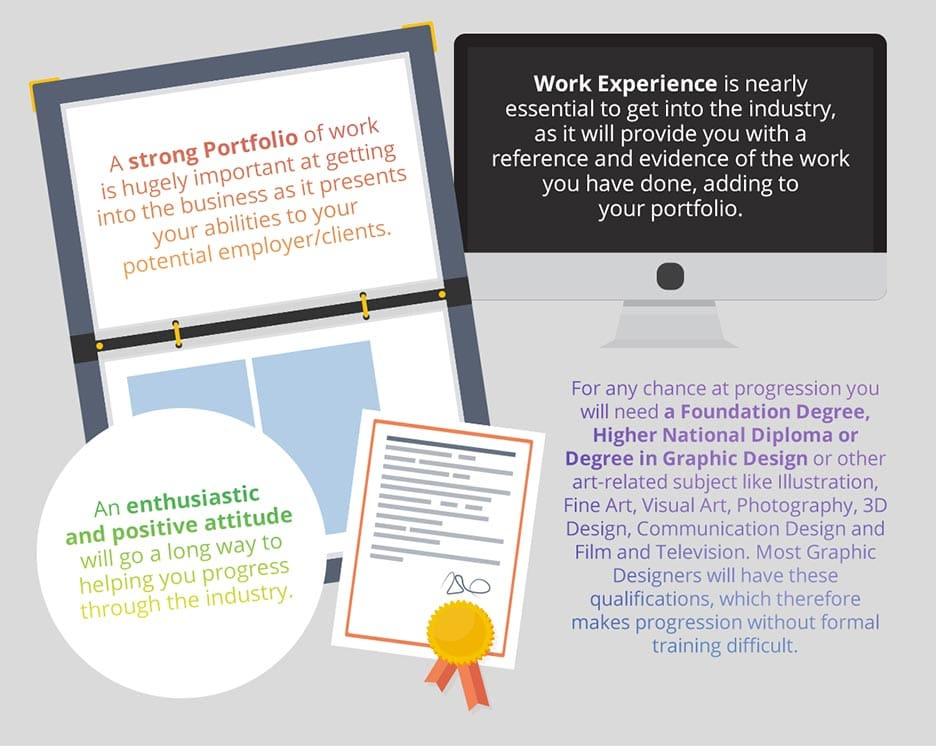
- Build a Professional Portfolio: Showcase your instructional design projects, course samples, eLearning modules, and curriculum outlines. A digital portfolio is essential when applying for education technology jobs.
- Gain Hands-On Experience: Volunteer for course development projects, internships, or part-time roles in educational institutions or nonprofits.
- Network in education technology Circles: Attend conferences,workshops,and webinars. Connect with instructional designers, faculty, and tech leaders on professional platforms.
- Stay Current with EdTech Trends: Follow thought leaders, subscribe to education technology publications, and experiment with the latest digital tools.
- Highlight Soft Skills: Communication, teamwork, and adaptability are highly valued in educational institutions.
- Tailor Your Resume: Use keywords from instructional designer job descriptions and focus on measurable achievements.
- Prepare for Interviews: Be ready to explain your design process, show work samples, and discuss how you collaborate with educators and stakeholders.
Frequently Asked Questions about Instructional Designer Careers
What does a day in the life of an instructional designer look like?
Instructional designers spend their day meeting with subject matter experts, designing course modules, editing content, troubleshooting LMS issues, analyzing learner data, and providing support to faculty and students. Much of the work is project-driven and highly collaborative.
Is coding required to become an instructional designer?
Basic technical skills are crucial, but advanced coding is rarely required. Familiarity with HTML, CSS, or simple scripting can be helpful, especially for customizing eLearning modules and LMS platforms, but is not essential for most university or K-12 roles.
What is the job outlook for instructional designers in education?
The need for qualified instructional designers in education technology continues to rise.universities, colleges, and schools are expanding their online and blended learning offerings, making instructional design a stable and promising career choice.
Conclusion
As education continues to evolve with technology, the demand for talented instructional designers in universities, colleges, and schools is stronger than ever. By understanding the roles, essential skills, and career pathways outlined in this guide, you can confidently pursue a fulfilling career in education technology. Whether you’re designing digital courses, supporting innovative teaching methods, or shaping the future of learning, your expertise as an instructional designer will make a lasting impact.
ready to launch your journey? Start building your portfolio, connecting with professionals, and honing your skills in instructional design—and watch your career in education technology flourish!