
Instructional Designer: Key Roles, Skills, and Career Paths Explained
Are you passionate about transforming educational experiences with technology? The rise of education technology (EdTech) in universities, colleges, and schools has fueled a great demand for skilled Instructional Designers. Whether you are an educator seeking a transition, a recent graduate, or a professional aiming for a dynamic career in EdTech, understanding the scope, required skills, and emerging opportunities in instructional design can set you on the path to success. This complete guide reveals everything you need to know about becoming an Instructional Designer in the academic world.
What Is an Instructional Designer?
Instructional designers are educational professionals who create engaging and effective learning experiences using pedagogical principles and technology. They work in various settings—universities, colleges, schools, and corporate training departments—to develop curricula, online courses, workshops, learning modules, and assessment tools. Their primary goal is to enhance student engagement, knowledge retention, and academic performance using innovative EdTech solutions.
The Key Roles of an Instructional Designer in Education Technology
In the rapidly evolving landscape of higher education technology, Instructional Designers take on multiple vital roles. Here’s what the job typically involves:
- Curriculum Development: Designing instructional materials that meet learning objectives and academic standards.
- Learning Experience design (LXD): Applying user-centered design principles to create engaging online, hybrid, and in-person learning environments.
- eLearning Content Creation: Developing interactive multimedia resources such as videos, quizzes, simulations, and gamified activities.
- Technology Integration: Selecting and implementing the best EdTech tools,including Learning Management Systems (LMS) like Canvas or Moodle,and virtual collaboration platforms.
- Faculty and Teacher Support: Training and coaching instructors on new technologies, best practices, and instructional strategies.
- Assessment Design: Creating formative and summative assessment tools that align with course objectives and support student mastery.
- Continuous betterment: Gathering data on learning outcomes and making iterative course enhancements based on feedback and analytics.
must-Have Skills for Instructional Designers
Landing an Instructional Designer job in a college, university, or school requires a unique combination of technical, creative, and interpersonal skills. Here’s what employers look for:
Technical Skills
- Learning Management Systems (LMS): Proficiency in Blackboard,Canvas,Moodle,or Google Classroom.
- Authoring Tools: Experience with Articulate Storyline, Adobe Captivate, Camtasia, or eLearning Brothers.
- multimedia Production: ability to create and edit videos, podcasts, graphics, and interactive content.
- Web Technologies: Basic HTML, CSS, and understanding mobile-first/responsive design principles.
Pedagogical Skills
- Instructional Design Models: Knowledge of ADDIE,SAM,bloom’s Taxonomy,global Design for Learning (UDL),and backward design.
- Assessment Creation: Expertise in designing rubrics, quizzes, and authentic assessments.
- Curriculum Alignment: Aligning resources with educational standards and learning outcomes.
Interpersonal and Project Skills
- Collaboration: Working closely with faculty, subject matter experts, and IT staff.
- Consulting and Dialog: Translating instructional needs into actionable content and providing effective training.
- Project Management: Managing timelines, budgets, and resources using tools like Trello, Asana, or MS Project.
Educational Requirements and Certifications
Employers in higher education and K-12 settings typically require Instructional Designers to have:
- A bachelor’s degree in education, instructional design, educational technology, curriculum development, or a related field.
- Master’s degree (frequently enough preferred) in instructional technology, learning design, or a related discipline.
- Professional certifications—such as Certified Professional in learning and Performance (CPLP), association for Talent Development (ATD) credentials, or certifications in tools like Captivate or Articulate Storyline—can further enhance your resume.
Relevant teaching or curriculum development experience is highly valued in both academic and corporate settings.
Career Paths for Instructional Designers in Education Technology
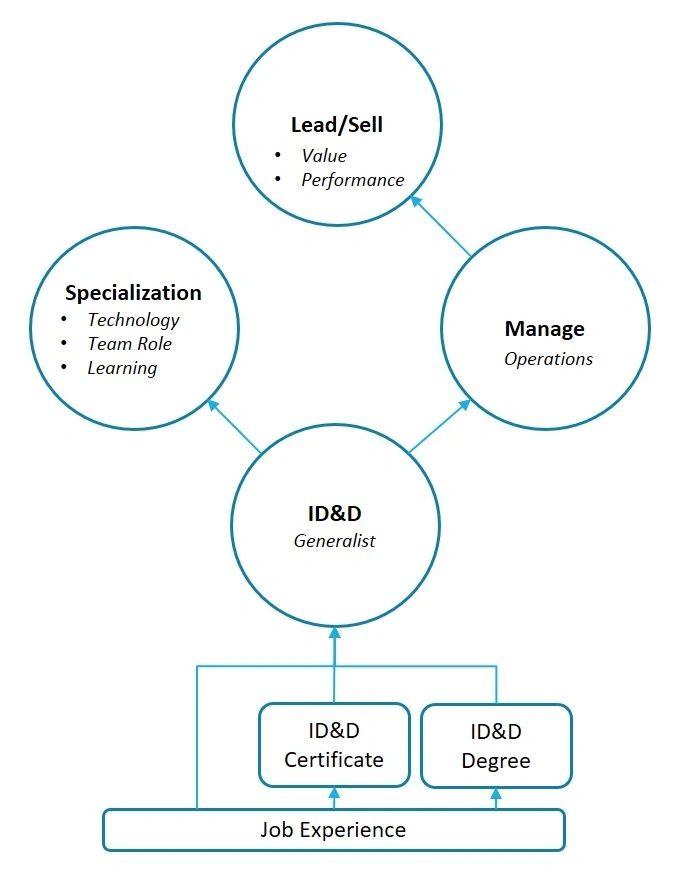
Instructional Design is a field with significant upward mobility and opportunities to specialize. Career options include:
- Entry-Level Instructional Designer: Supporting course development and learning management systems under the supervision of senior staff.
- eLearning Developer: Focusing on the technical creation of multimedia and interactive content.
- Senior Instructional Designer: Leading design projects, mentoring team members, and managing large-scale initiatives.
- Learning Experience Designer: Specializing in UX for education, creating user-centric digital learning experiences.
- Instructional Design Manager or Director: overseeing teams of designers and EdTech projects across an entire institution.
- edtech Consultant or Project Lead: Advising institutions on best practices and the latest technologies for curriculum transformation.
Some Instructional designers also transition into roles such as Academic Technologist, Curriculum Specialist, or Chief Learning Officer.
Benefits of Working as an Instructional Designer in Education Technology
A career in instructional design within schools, colleges, or universities offers numerous advantages:
- Impactful work: Shape how thousands of students learn, grow, and prepare for their futures.
- Growth Opportunities: Expand your skills in pedagogy, technology, and leadership within a booming industry.
- Flexible Work Environments: Many positions offer remote or hybrid options, fostering work-life balance.
- Collaboration and Variety: Work with diverse teams, subjects, and technologies—no two projects are ever quite the same.
- Competitive Salaries and Benefits: Higher education institutions and schools often provide excellent compensation packages, professional development, and tuition benefits.
Practical Tips for Landing an Instructional Designer Job
Ready to start your career in education technology? Here’s how you can stand out as a candidate for an Instructional Designer position:
- Build a Strong Portfolio: Showcase examples of courses, eLearning modules, infographics, videos, and project case studies.
- Stay Current: Follow EdTech trends, take MOOCs, and attend relevant conferences or webinars.
- Network: Connect with other Instructional Designers and EdTech professionals through online forums, LinkedIn, and local meetups.
- Upskill Regularly: Obtain certifications in popular authoring tools,project management,and instructional methodologies.
- Customize Your Resume: Highlight achievements, results (such as improved student engagement or assessment scores), and specific technologies you have mastered.
- Prepare for Interviews: Be ready to discuss problem-solving scenarios, showcase your design thinking, and demonstrate your approach to crafting effective learning experiences.
Future Outlook for Instructional Designers in Academic Settings
The future for Instructional Designers in education technology is exceptionally radiant. as universities, colleges, and schools continue to invest in digital transformation and blended learning, demand for skilled instructional design professionals will only grow. New technologies such as artificial intelligence, adaptive learning, and virtual reality promise to expand the scope and creativity of what designers can achieve.
Conclusion
Instructional Designers are at the core of education innovation, making learning more engaging, accessible, and effective for all students. With the right blend of pedagogical expertise, technical skills, and a passion for lifelong learning, you can thrive in this rewarding EdTech career—whether you’re working at a K-12 school, a top-tier university, or anywhere in between. Explore opportunities, invest in your professional growth, and get ready to make an impact as the next great Instructional Designer!