
Instructional Designer: Key Skills, Career Paths, and Tips for Success
Education technology is rapidly transforming the way institutions deliver learning experiences. One of the most critical roles in this field is that of the instructional designer. If you are passionate about education and technology, pursuing a career as an instructional designer at a university, college, or school can be a highly rewarding path.This extensive guide will walk you through the key skills, career trajectories, benefits, and actionable tips you need to succeed as an instructional designer in the dynamic world of EdTech.
What Is an Instructional Designer?
An instructional designer is a professional responsible for creating effective, engaging, and accessible learning experiences using technology and instructional strategies. In academic settings, instructional designers collaborate with educators, subject matter experts, and IT teams to develop curricula, courses, training modules, and multimedia resources that foster student success.
The core mission of an instructional designer in education technology is to optimize and innovate the ways in which knowledge is imparted—whether in fully online environments, blended classrooms, or traditional face-to-face formats enhanced by digital tools.
Key Responsibilities of an instructional Designer in Education Technology
- Analyzing learning needs and goals for diverse student populations.
- Developing instructional materials,e-learning modules,and course content.
- Integrating educational technologies and learning management systems (LMS) like Canvas, moodle, or Blackboard.
- Applying learning theories and instructional design models, such as ADDIE or SAM.
- Collaborating with faculty, department heads, and IT professionals.
- Evaluating the effectiveness of learning experiences using assessments and analytics.
- Ensuring accessibility and inclusivity in all learning resources.
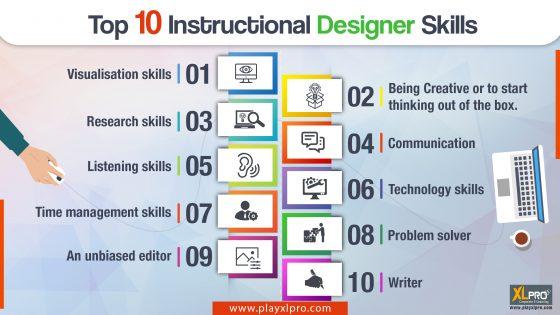
Essential Skills for Instructional Designers
Instructional designers must possess a blend of educational, technological, and creative skills. Here are the most sought-after competencies that universities, colleges, and schools look for:
1. Pedagogical Knowledge
- Understanding of adult learning theories, instructional strategies, and outcomes assessment.
- Familiarity with curriculum development and alignment frameworks.
2. Technical Expertise
- Proficiency with e-learning authoring tools (e.g., Articulate Storyline, Adobe Captivate, Camtasia).
- Experience with learning management systems (LMS) and online collaboration platforms.
- Basic understanding of HTML,CSS,or multimedia editing is increasingly beneficial.
3. Project Management Skills
- Ability to plan, organize, and manage multiple projects together.
- Strong time-management and dialogue skills for collaborating across teams.
4.Assessment and Evaluation
- Designing formative and summative assessments that accurately measure learning outcomes.
- Interpreting data and feedback to refine instructional strategies.
5. Creativity and Innovation
- Ability to craft engaging, interactive, and visually appealing learning content.
- Staying abreast of industry trends, emerging technologies, and best practices in instructional design.
Career Paths for Instructional Designers in Education Technology
The career trajectory of an instructional designer in academia can vary based on experience, education, and individual interests. Here are some typical career paths:
- Entry-Level Instructional Designer: Often responsible for supporting senior designers, creating simple course components, and gaining hands-on experience.
- Instructional design Specialist: Takes on more complex projects, leads course development, and may start managing small teams or initiatives.
- Senior Instructional Designer: Oversees large-scale curriculum projects, mentors junior team members, and consults across departments.
- Learning Experience Designer (LXD): Focuses on holistic learning journeys, integrating user experience (UX) and educational psychology.
- Instructional Design Manager/Director: Manages teams of designers, coordinates institutional initiatives, and shapes organizational learning strategies.
- Specializing in eLearning Development, Accessibility, or Assessment: Some professionals choose to specialize in niche areas within instructional design to deepen their expertise.
Education Requirements and Certifications
While there is no single pathway to becoming an instructional designer in education technology, certain qualifications will strengthen yoru candidacy:
- A bachelor’s degree in education, instructional design, instructional technology, or a related field is typically required.
- A master’s degree (e.g., in Instructional Design, Learning Technologies, or Education) can open up advanced opportunities and leadership roles.
- certifications such as Certified Professional in Learning and Performance (CPLP), ATD Certification, or certificate programs in instructional design are highly valued.
- Staying current with professional development and attending EdTech conferences demonstrates commitment to ongoing learning.
Benefits of Working as an Instructional designer in Academic Settings
- Impactful Work: Shape how knowledge is delivered and accessible, directly influencing student success and faculty development.
- Dynamic Work Surroundings: Every project brings new challenges, technologies, and collaboration opportunities.
- Career Mobility: Skills in instructional design are in demand across K-12 schools, higher education, and private sector organizations.
- Opportunities for Specialization: Delve into areas such as gamification, mobile learning, or data-driven instructional analytics.
- Growth Potential: Institutions actively seek professionals who can drive educational innovation and lead strategic initiatives.
Tips for Getting a Job as an Instructional Designer at Universities, Colleges, or Schools
Landing your first (or next) position as an instructional designer in education technology requires a strategic approach. Here are practical tips for success:
1. Build a Standout Portfolio
- Showcase real-world examples of learning materials,course modules,and multimedia projects.
- Include project briefs, learning objectives, sample storyboards, and measurable outcomes.
2. Network with Education technology Professionals
- Join EdTech groups, attend webinars, participate in higher education conferences, and connect with instructional design communities.
- Engage with others on professional networks and share your expertise regularly.
3. Stay Fluent in the Latest EdTech trends
- Explore advancements like adaptive learning, artificial intelligence, virtual/augmented reality, and interactive video.
- Highlight your experience experimenting with or integrating these innovations in your resume and interviews.
4. Tailor Your Resume and Cover Letter
- Emphasize relevant keywords such as instructional design, learning management systems, curriculum development, and e-learning.
- Demonstrate your impact with specific metrics—e.g., improved course completion rates or learner engagement.
5. Prepare for the Interview
- Be ready to discuss your instructional design process, challenges you’ve overcome, and your approach to collaboration.
- Share examples of how you’ve handled accessibility, diversity, or technology integration in your designs.
Instructional Design in K-12 vs. Higher education
While the core competencies for instructional designers are consistent across education sectors, working in K-12 schools versus higher education can present distinct challenges and opportunities:
- K-12 Settings: Focus may be on alignment with state/national standards, supporting wide-ranging student abilities, and frequent faculty training needs. Parental engagement and assessment compliance are also priorities.
- Higher education: Often involves designing for adult learners,greater emphasis on blended/online courses,and supporting academic research-driven instruction. There might potentially be more opportunities for interdisciplinary projects and innovation.
Future Outlook for Instructional Designers in Education Technology
The demand for skilled instructional designers in both K-12 and higher education settings continues to grow. Key drivers include the expansion of online programs, the push for personalized and inclusive learning experiences, and the need to integrate emerging technologies for remote and hybrid learning environments. As educational institutions invest more in EdTech, instructional designers will remain at the forefront of developing transformative learning solutions.
Conclusion: Embark on a Meaningful Career as an Instructional Designer
The role of an instructional designer in education technology is both intellectually stimulating and socially impactful. Whether you’re just starting your journey or looking to advance your career at a university, college, or school, mastering the key skills and staying current with industry trends will set you up for long-term success.With the right blend of educational strategy, technical know-how, and creative innovation, you can help redefine how students learn and thrive in the digital age. Now is an excellent time to pursue a career as an instructional designer and make a lasting difference in the future of education.