
Instructional Designer: Key Skills,Responsibilities,and Career Path Explained
Are you passionate about education and technology? Do you want to help shape how students and educators interact with learning materials? If you’ve answered yes,a career as an Instructional designer in the education technology sector at universities,colleges,or schools could be the perfect fit. This thorough guide will walk you through everything you need to know about the instructional designer role—covering essential skills, typical responsibilities, qualifications, career growth, and practical tips to help you thrive in this dynamic profession.
What is an Instructional designer?
An Instructional Designer (ID) is a professional who creates engaging educational experiences using modern technology and evidence-based learning principles. Instructional Designers collaborate with subject matter experts (SMEs), faculty, teachers, and technology teams to plan, design, develop, and evaluate instructional materials for online courses, blended learning, and face-to-face environments. Their primary goal is to enhance learning outcomes and maximize student engagement through effective instructional strategies and innovative use of education technology.
Key Responsibilities of an Instructional Designer
The work of an instructional designer is diverse and impactful, involving multiple stages of the curriculum progress process. here’s a glance at typical duties you can expect in an education technology setting at a university, college, or school:
- Needs Analysis: Assessing learner needs, program objectives, and instructional challenges in collaboration with academic staff.
- Curriculum Design: Drafting and mapping course structures,lesson plans,modules,and learning outcomes based on pedagogical frameworks.
- Content Development: Creating and adapting multimedia content such as videos, podcasts, interactive quizzes, and course readings using authoring tools.
- technology Integration: Selecting and implementing appropriate educational technologies, including Learning Management Systems (LMS) like Canvas, Moodle, or Blackboard, and educational apps to support learning.
- Quality Assurance: Ensuring accessibility, usability, and alignment with institutional standards and best practices (such as Universal Design for Learning).
- Faculty/Teacher Training: Developing resources and providing training to educators on how to use digital tools and instructional materials effectively.
- Evaluation and Betterment: Collecting data on course performance and learner feedback to iterate and improve instructional products.
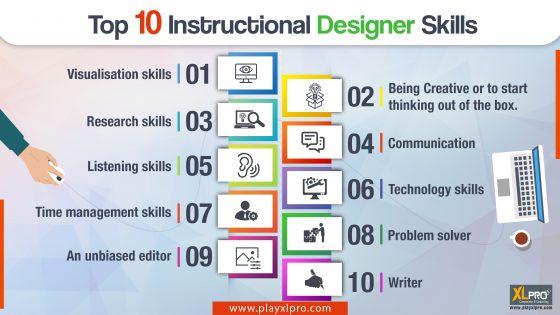
Essential Skills for Success as an Instructional Designer
to stand out in the competitive world of education technology jobs,instructional designers must blend technical skills,pedagogical knowledge,and interpersonal abilities. Here are the top skills you’ll need:
1. Educational Theory and Curriculum Development
- understanding of instructional design models such as ADDIE, SAM, or Backward Design
- Familiarity with learning theories: Constructivism, Adult Learning, Bloom’s Taxonomy
- Ability to align learning objectives, assessments, and activities
2. Technology Skills
- Proficiency with LMS platforms (Canvas, Blackboard, Moodle)
- Experience using course authoring tools (Articulate Storyline, Adobe Captivate, H5P)
- Knowledge of multimedia production and basic graphic design
- Experience with accessibility standards (WCAG, Section 508 compliance)
3. Interaction and Collaboration
- Strong written and verbal communication for collaborating with instructors and IT staff
- Project management and teamwork abilities
- Capability to translate complex concepts into clear, engaging instructional materials
4. Analytical and Problem-Solving Skills
- Data-driven approach to measuring learning outcomes and success metrics
- Ability to troubleshoot challenges in course delivery and learner engagement
- Continuous improvement mindset
Educational Pathways and Qualifications
Most universities, colleges, and schools seeking instructional designers look for candidates with some combination of the following qualifications:
- Bachelor’s Degree: Typically in Education, instructional Design, Educational Technology, Curriculum Development, or a related field.
- Master’s Degree (preferred or required for most higher education roles): in Instructional design, Educational Technology, Learning Sciences, or a similar discipline.
- Certificates: specialized certifications such as Certified Professional in Learning and Performance (CPLP), or certificates from recognized educational technology institutions can be an asset.
- Portfolio: Demonstrable samples of curriculum design, online modules, or multimedia learning projects are highly valued during the hiring process.
Typical career Path of an Instructional Designer
The field of instructional design in education technology offers significant career growth and diversification. Here’s a general progression:
- Entry-Level Roles: Instructional Design Assistant, E-learning Developer, Curriculum Coordinator.
- Mid-Level Positions: Instructional Designer, Learning Experience Designer, Educational Technologist.
- Senior and Leadership roles: Senior Instructional Designer, Instructional Design manager, Director of Instructional Design or Educational Technology.
Many instructional designers also branch into related areas, such as faculty development, academic consulting, EdTech product management, or policy advising.
Benefits of a Career as an Instructional Designer
Pursuing instructional design roles in education technology at universities, colleges, or schools offers compelling advantages:
- Job Stability: Educational institutions continue to invest in e-learning, hybrid education, and technology-mediated instruction.
- Impactful Work: Contribute meaningfully to student progress and the evolution of teaching methods.
- Intellectual Engagement: Work at the intersection of pedagogy, creativity, and technology.
- Professional Growth: Access ongoing opportunities for skill development and advancement.
- Flexible Environments: many instructional design jobs offer hybrid or remote work arrangements.
Practical Tips for Landing an Instructional Designer Job in Education Technology
Here are actionable steps to help you secure your desired instructional designer position at a university, college, or school:
- Build a Professional Portfolio: Highlight a variety of projects—including storyboard samples, e-learning modules, and curriculum outlines—that showcase your instructional design and technology integration skills.
- Stay Current: keep up with the latest EdTech trends, standards, and innovations, such as gamification, adaptive learning platforms, and microlearning.
- Network with Industry Professionals: Join education technology communities, attend webinars, and participate in professional conferences to connect with hiring managers and peers.
- Develop Soft Skills: Hone your ability to communicate complex ideas, work as part of a team, and manage projects efficiently.
- Obtain Relevant Certifications: Adding certifications related to instructional design, project management, or emerging EdTech tools can set you apart.
- emphasize Accessibility: Demonstrate your commitment to inclusive design to broaden your appeal with academic employers.
Instructional Designer Job Outlook and Trends
The demand for instructional designers is robust and expected to grow as higher education and K-12 institutions continue to expand their digital learning initiatives. Competency-based education, online degrees, blended learning environments, and rapid edtech evolution all underscore the vital role of instructional designers. Institutions value applicants with strong digital portfolios, leadership in educational technology adoption, and adaptability to new learning modalities.
conclusion: Take the First Step Toward an Instructional Design Career
The role of an Instructional Designer in education technology at universities,colleges,and schools is both rewarding and future-focused,offering a unique blend of creativity,pedagogy,and technology. Whether you are transitioning from teaching or building your skills from a tech background,this career allows you to make a measurable difference in educational experiences for learners of all ages. By cultivating the right skills, staying committed to continuous improvement, and networking within the industry, you can unlock exciting opportunities and long-term career satisfaction in this in-demand field.
If you’re curious about instructional design or ready to launch your journey in education technology, now is the perfect time to take the next step toward helping shape the future of learning.