
Instructional Designer: Key Skills, Roles, and Career Paths Explained
Are you passionate about improving education, creating engaging learning experiences, and leveraging technology to support teachers and students? If so, a career as an Instructional Designer at a university, college, or school might be the perfect fit for you. As modern education increasingly marries pedagogy with cutting-edge technology,the role of Instructional Designer is more vital than ever. In this in-depth guide, we will explore what an instructional designer is, the key skills required, typical job roles, daily responsibilities, career paths, and helpful tips to set you on the path to success.
What is an Instructional Designer?
An Instructional Designer is a professional responsible for designing, developing, and implementing educational programs and learning materials using systematic processes and educational technologies. Instructional Designers work across various educational settings—including K-12 schools, colleges, and universities—to enhance teaching and learning outcomes. their expertise lies in leveraging learning theories, pedagogical strategies, and the latest educational technology to create effective, engaging, and inclusive learning environments.
Key Responsibilities of an Instructional Designer
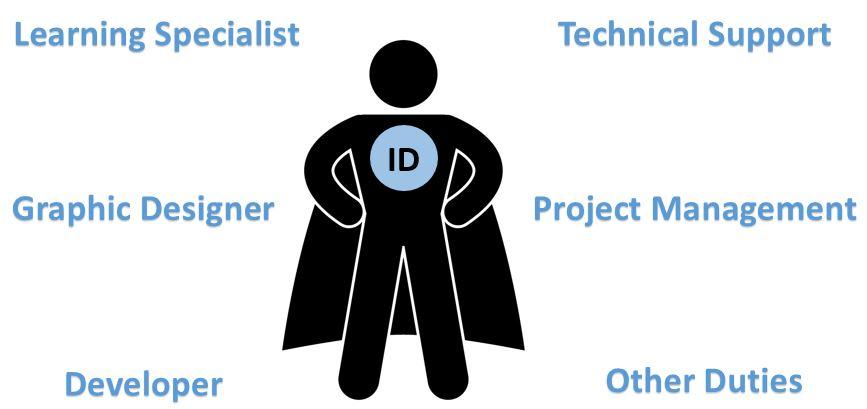
The role of an Instructional Designer in education technology encompasses a wide range of responsibilities, including:
- Analyzing Learning Needs: Conducting needs assessments to identify gaps and opportunities for improvement in curricula or training materials.
- Curriculum Growth: Designing content, activities, and assessments that align with learning objectives.
- Technology Integration: Selecting and integrating digital tools, learning management systems (LMS), and other technologies to enhance instruction.
- content Creation: Developing digital resources such as eLearning modules, videos, podcasts, and interactive simulations.
- Collaboration: Working closely with faculty, subject matter experts (SMEs), teachers, and IT staff to ensure the quality and effectiveness of learning solutions.
- Assessment and Evaluation: Creating mechanisms to assess the effectiveness of instructional strategies and making data-driven improvements.
- Professional Development: Providing training and support for educators to successfully use educational technologies and instructional best practices.
Essential Skills Required for Instructional Designers
To excel as an Instructional Designer, candidates should develop a blend of technical, pedagogical, and interpersonal skills. Hear are the top key skills for this education technology job:
1.Instructional Design Theories and Models
- Deep understanding of instructional design frameworks, such as ADDIE, SAM, Bloom’s Taxonomy, and Universal Design for Learning (UDL).
- Ability to apply these models systematically to guide the creation of effective learning experiences.
2. Educational Technology Proficiency
- Familiarity with Learning management Systems (LMS) like Canvas, Moodle, or Blackboard.
- Experience using authoring tools such as Articulate Storyline,Adobe Captivate,or Camtasia.
- Basic knowlege of HTML, CSS, or other web technologies is a plus.
- Comfort with collaboration platforms and digital assessment tools.
3. Curriculum and Content Development
- Ability to design course content that is engaging, inclusive, and aligns with learning objectives and educational standards.
- Strong expertise in creating digital learning materials—videos, quizzes, game-based learning modules, etc.
4. Project Management
- Organizational skills to manage multiple projects, meeting deadlines, and collaborating with cross-functional teams.
- Experience with project management tools, such as Trello, Asana, or Basecamp.
5. Assessment and Evaluation
- Designing formative and summative assessments to measure learner progress.
- Interpreting data from learning analytics to refine instructional strategies.
6. Dialog and Collaboration
- Effective writen and verbal communication skills for collaborating with stakeholders.
- Ability to provide constructive feedback and facilitate workshops or training sessions.
7. Problem-Solving and Creativity
- Innovative approach to overcoming instructional challenges using creative and practical solutions.
- Openness to experimenting with new education technology tools and methodologies.
Typical Job Roles and Work Environments
Instructional Designers are employed in various education technology settings, primarily in:
- Higher Education: Supporting faculty in university and college departments to digitize courses, create online and hybrid programs, and enhance customary classrooms with technology.
- K-12 schools: Assisting teachers in integrating new technologies and designing accessible, standards-aligned coursework.
- Corporate and Government: While our focus is academic settings, many skills are transferable to corporate training and e-learning roles.
Instructional Designers may be part of centralized eLearning, Center for Teaching and Learning, or Facts Technology departments, or serve as specialists within specific academic units.
Educational Requirements and Certifications
Many positions require a bachelor’s degree in education, instructional design, instructional technology, or a related field, but increasingly, employers prefer or require a master’s degree for competitive roles. Popular areas of study include:
- Instructional Design and Technology
- Educational Technology
- Curriculum and Instruction
- Distance Learning/E-Learning
Certifications can enhance your profile. Notable credentials include:
- Certified Professional in Learning and Performance (CPLP)
- Association for Talent Development (ATD) Certification
- eLearning Guild Certifications
- Google Certified Educator
Career Paths and Advancement Opportunities
The demand for skilled Instructional Designers in education technology is growing as more schools and universities invest in online and blended learning. Typical career progression includes:
- Instructional Technologist: Specializing in technology implementation and faculty support.
- Senior Instructional Designer: Leading larger projects and mentoring junior staff.
- eLearning Developer: Building interactive, multimedia-rich online courses and simulations.
- Curriculum Director: Overseeing the design and alignment of curricula across departments.
- Learning Experience Designer: emphasizing user-centric principles and emerging technologies, such as virtual reality or AI-powered learning.
- Director of Online Learning or Academic Technology: Strategic leadership roles responsible for digital change and faculty development.
Instructional design skills also prepare you for positions in curriculum development, faculty support, change management, and academic administration.
Benefits of Working as an Instructional Designer
pursuing a career as an Instructional Designer offers numerous rewards,such as:
- High Demand: With the rapid adoption of online learning tools,there’s a consistent need for qualified professionals in this field.
- Impactful Work: Directly contribute to the quality of education and positive student outcomes.
- Variety: engage in diverse tasks, from tech integration to creative content development.
- Collaboration: Work within interdisciplinary teams and develop relationships with educators, administrators, and tech professionals.
- Flexible Work Options: Many universities and educational institutions now offer remote or hybrid work arrangements for Instructional Designers.
Practical Tips for Aspiring Instructional Designers
Ready to pursue a career in instructional design in education technology? Consider these practical steps:
- Build a Portfolio: Create sample instructional materials, courses, or storyboards to showcase your skills to employers. Demonstrate a solid grasp of both pedagogy and technology.
- Gain Experience: Volunteer for course redesign projects, internships, or part-time roles in academic technology departments.
- Continuously Learn: Stay updated on the latest trends in instructional design, digital learning tools, and educational research.Participate in professional development workshops and conferences.
- network: Join professional organizations, attend education technology meetups, and connect with other instructional designers on platforms like LinkedIn.
- Show Your Results: Whenever possible, use learning analytics or feedback to demonstrate the impact of your instructional design work.
Conclusion
A career as an Instructional Designer in education technology at universities,colleges,or schools offers a unique mix of creativity,impact,and innovation. With the right combination of skills, experience, and passion for educational excellence, Instructional Designers play a pivotal role in shaping the future of learning. Whether you’re just starting out or looking to advance your current role, the field offers robust opportunities for professional growth, fulfillment, and positive contribution to education. Begin your journey today and help redefine how students and educators experience learning in the digital age.