
Instructional Designer: Key Skills, Roles, and How to Start Your Career
If you’re passionate about shaping the future of education and technology, a career as an instructional designer at universities, colleges, or schools might be the perfect fit. Instructional designers play a crucial role in creating effective learning experiences by combining educational theory, technology, and creativity. With the rise of online learning and digital education solutions, the demand for skilled instructional designers is stronger than ever. This comprehensive guide will walk you through the essential skills, roles, benefits, and practical steps to start your instructional design career in education technology.
What is an Instructional Designer?
An instructional designer develops and optimizes educational content, courses, and training programs using methodological approaches and digital tools. Working in various educational settings – from universities and colleges to K-12 schools – instructional designers collaborate with educators and technology specialists to enhance learning outcomes. Their expertise is central to integrating technology into curricula, developing engaging e-learning modules, and tailoring instruction to diverse student needs.
Roles and Responsibilities of an Instructional Designer
instructional designers wear many hats, depending on the institution’s goals and technological infrastructure. Here are some core tasks and responsibilities:
- Curriculum Development: Creating and organizing curriculum structures, lesson plans, and learning goals to meet academic standards.
- E-Learning Design: Designing online courses, interactive learning activities, tutorials, and assessment tools for digital platforms.
- learning Management System (LMS) Integration: Implementing and managing courses on popular LMS platforms such as Canvas, Blackboard, or Moodle.
- Instructional Technology: selecting and integrating digital tools, multimedia elements, and software to enhance learner engagement.
- Collaboration: Working closely with faculty, subject matter experts (SMEs), IT professionals, and students to ensure educational effectiveness.
- Assessment and Evaluation: Designing assessment methods and using analytics to improve course effectiveness and student outcomes.
- Accessibility and Inclusion: Ensuring that all digital content is accessible to learners with disabilities and meets inclusion standards.
- Continuous Improvement: Staying updated on the latest trends in education technology, instructional design models, and pedagogical research.
Key Skills Required to Become an instructional Designer
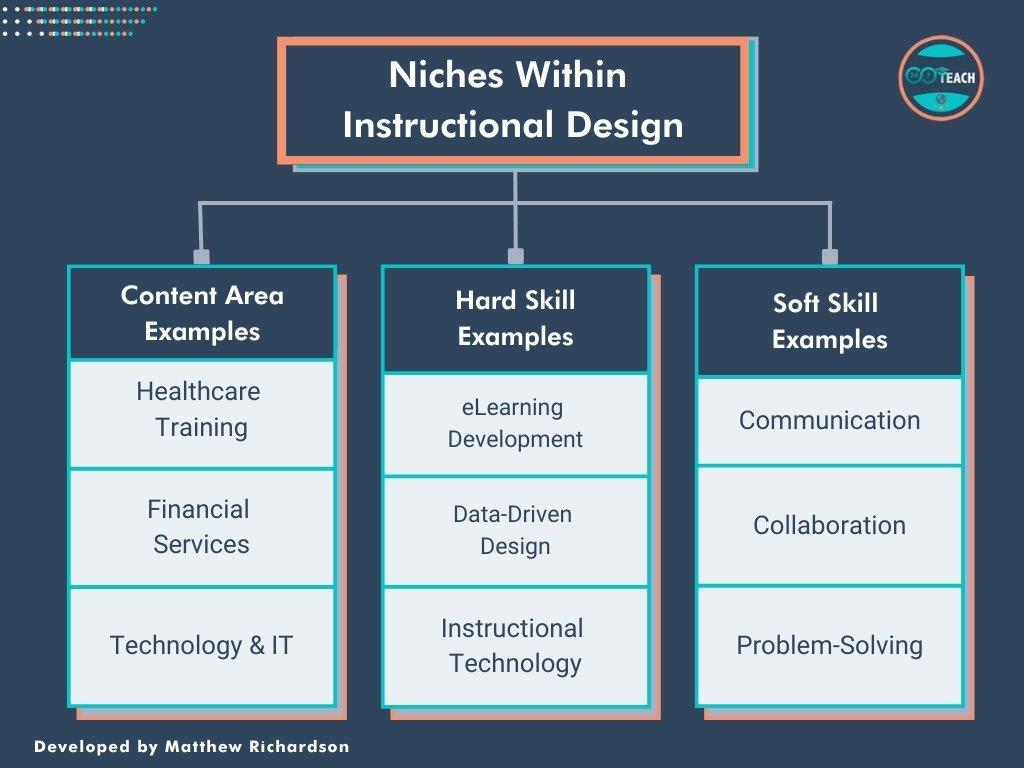
Accomplished instructional designers in education technology demonstrate a blend of technical, pedagogical, and interpersonal skills. Focus on developing these essential competencies:
Technical Skills
- LMS Proficiency: Familiarity with learning management systems like Moodle, Blackboard, Canvas, or Google Classroom.
- Authoring Tools: expertise in course authoring software such as Articulate Storyline, Adobe Captivate, or Camtasia.
- Multimedia Design: Ability to create and edit graphics, videos, and interactive content using tools like Adobe Suite or Canva.
- Web Development Basics: Understanding of HTML, CSS, and learning object standards (SCORM/xAPI) is advantageous.
- Data Analysis: Using analytics to track learner progress and inform course revisions.
Instructional & Educational Skills
- Instructional Design models: Knowledge of ADDIE, SAM, Bloom’s Taxonomy, or Worldwide Design for learning (UDL).
- Pedagogy: Understanding learning theories and teaching strategies tailored to diverse learner profiles.
- Assessment Design: Creating formative and summative assessments that align with learning objectives.
- Accessibility Standards: Ensuring courses comply with ADA and WCAG guidelines.
Soft Skills
- project Management: Managing timelines, budgets, and resources effectively.
- Interaction: Collaborating clearly with educators, developers, and stakeholders.
- Problem Solving: Addressing instructional challenges with creative solutions.
- Adaptability: Responding to evolving educational technologies and demands.
- Attention to detail: Ensuring content accuracy, usability, and quality assurance.
Educational Pathways and Qualifications
To pursue a career as an instructional designer in higher education or K-12 settings, consider the following educational credentials:
- Bachelor’s Degree: Typically in education, instructional technology, learning sciences, or a related field.
- Master’s Degree (Optional but Preferred): Advanced degrees in instructional design,educational technology,curriculum development,or similar disciplines can set you apart.
- professional Certifications: Earning certificates in instructional design or e-learning (e.g., ATD, ISTE, or edX programs) can enhance your credibility.
- Continued Professional Development: Attending workshops, webinars, and courses keeps you updated on best practices.
Benefits of a career as an Instructional Designer
Why choose a career in instructional design within education technology? Here are some compelling advantages:
- High Demand: institutions increasingly invest in digital learning, expanding job opportunities.
- Impactful Work: You directly shape the educational experience and future success of learners.
- Career Adaptability: Roles available in K-12 schools, colleges, universities, non-profits, and corporate settings.
- Remote and Hybrid Opportunities: Many instructional design jobs offer flexibility to work remotely or in hybrid environments.
- Continuous Growth: Ongoing innovation in instructional technology ensures varied and evolving projects.
How to Start Your Career as an Instructional Designer
Ready to take the first step? Follow these strategic actions to launch your instructional design career:
1. Build a Strong Foundation
- Earn a relevant degree in education, instructional technology, or a related field.
- Gain experience with the tools and platforms most used in your target educational setting.
2. Develop a Portfolio
- Create sample e-learning modules,lesson plans,and multimedia resources to demonstrate your skills.
- Showcase experience with real or hypothetical projects,highlighting your methodology.
3. Pursue Internships and Entry-Level Roles
- Seek internships or assistant roles at universities, colleges, or K-12 schools.
- Volunteer to help faculty members redesign courses or develop digital content.
- Leverage opportunities in instructional design departments or edtech startups.
4. Network Within the Education Technology sector
- Join professional associations and attend education technology conferences.
- connect with instructional designers and educators on social media or professional platforms.
- Seek mentorship from experienced professionals in instructional design roles.
5. Continue Learning and Certification
- Explore short courses and certifications in instructional design and educational technology.
- Stay updated with emerging trends, tools, and research by subscribing to industry publications.
6. Apply for Jobs and Prepare for Interviews
- Customize your resume for each opportunity, emphasizing instructional design accomplishments.
- Prepare for interviews by showcasing your portfolio and articulating your design approach clearly.
- Highlight experience collaborating with educators and integrating technology into curricula.
Practical Tips for Aspiring Instructional Designers
- Stay Curious: Regularly experiment with new tools and methodologies to enhance your skillset.
- Seek feedback: Ask educators and learners for input on your designs to improve outcomes.
- Document Your Process: Maintain an organized workflow and keep records of each project iteration.
- Understand Your Audience: Tailor content for diverse student demographics and learning styles.
- Embrace Collaboration: The best designs frequently enough come from strong teamwork and interdisciplinary input.
Frequently Asked Questions (FAQs) About Instructional Design Careers
What does a typical day look like for an instructional designer?
A day may involve developing course materials, meeting with faculty or SMEs, designing multimedia, managing projects, and testing learning modules.
can instructional designers work remotely?
Many roles offer remote or hybrid options due to the digital nature of the work,especially at universities and colleges.
Is prior teaching experience necessary?
While teaching experience is beneficial, strong design, technical, and project management skills are equally valued.
What is the job outlook for instructional designers?
The education technology field continues to grow, with instructional designers in high demand at academic institutions and beyond.
Conclusion
Instructional design stands at the intersection of education and technology, offering a dynamic and rewarding career path for those looking to make a difference in universities, colleges, and schools. By building key skills, understanding core roles, and following the practical steps outlined above, you can confidently pursue a successful career in instructional design. Weather you’re just starting out or seeking to advance your expertise,the world of education technology has plentiful opportunities for innovative thinkers ready to shape the future of learning.