
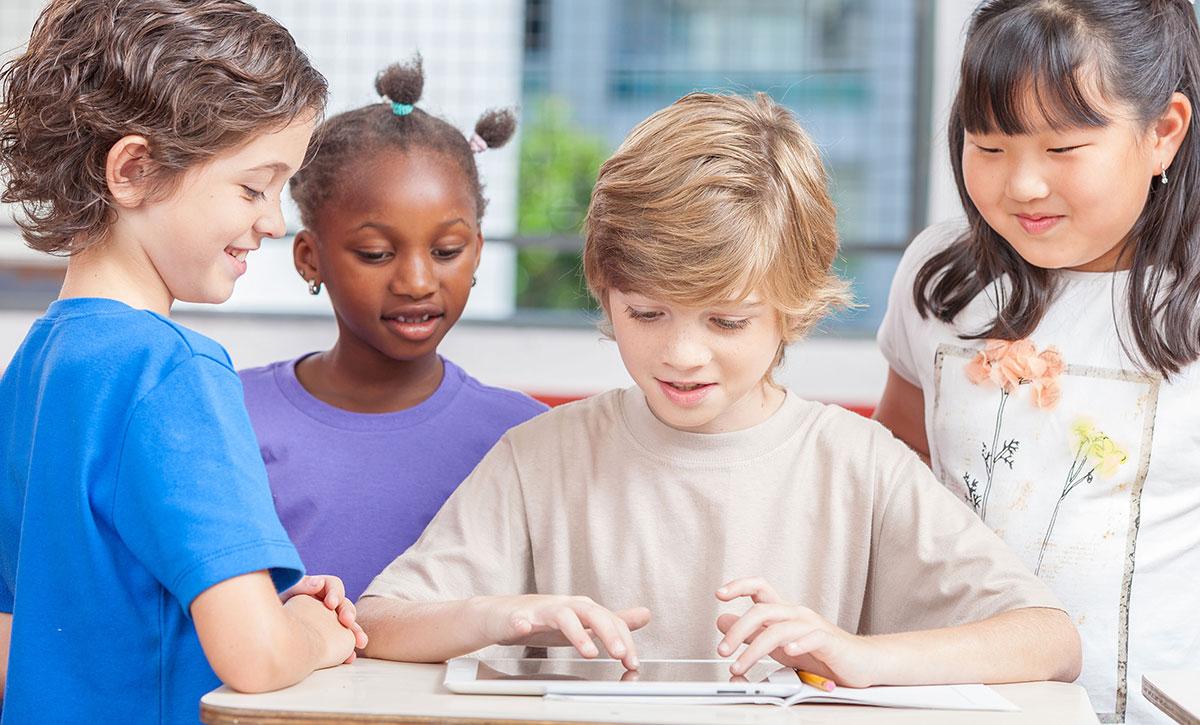
Integrating SEL into the Digital Classroom: Best Strategies for Empowering Online learners
Social Emotional Learning (SEL) is an integral part of modern education, fostering essential life skills such as self-awareness, empathy, and resilience. As remote learning becomes increasingly prevalent, integrating SEL into the digital classroom is vital to ensure students’ emotional wellbeing and engagement. This complete guide explores the best strategies for empowering online learners and maximizing the impact of SEL in remote education environments.
Introduction: Why SEL Matters in the Digital Classroom
As digital classrooms continue to shape the future of education,educators face unique challenges in maintaining a supportive,inclusive,and engaging learning surroundings. SEL addresses these challenges by nurturing social skills, emotional literacy, and positive relationships among students—crucial elements for academic and personal growth. Integrating SEL into e-learning platforms not only boosts academic achievement but also creates a safe online space where students can thrive.
Benefits of social Emotional Learning in Online Education
- Improved Academic Performance: Numerous studies reveal that students engaged in SEL activities tend to achieve higher academic outcomes.
- Enhanced engagement: SEL promotes active participation, even in virtual settings, by fostering connection and relevance.
- Resilience and Wellbeing: SEL helps students cope with stress, adapt to change, and recover from setbacks—critical skills for online learners.
- Stronger relationships: Students develop empathy and effective communication skills, building stronger peer and teacher relationships in remote environments.
- Positive Classroom Culture: SEL shapes a digital classroom culture based on respect, openness, and collaboration.
Best Strategies for Integrating SEL into the Digital Classroom
effectively implementing SEL in virtual settings requires intentional planning,tailored activities,and continuous feedback.Here are the top strategies to empower online learners:
1.Embed SEL Activities in Daily Routines
- Start virtual classes with mindful moments or short check-ins to set a positive tone.
- Encourage reflection journals or “feelings logs” where students can regularly express emotions.
- Use icebreakers, virtual games, and collaborative projects to foster peer interaction and empathy.
2. Foster Open Communication
- Create discussion boards or chat channels focused on emotional wellbeing and personal sharing.
- Offer virtual “office hours” for students to check in on personal or academic concerns.
- Use multimedia tools, such as polls and surveys, to gather feedback and ensure every student’s voice is heard.
3. Leverage technology & SEL-Focused Apps
- Utilize platforms like Flipgrid, Padlet, and Seesaw for creative expression and collaboration.
- Incorporate SEL-themed lessons and resources from trusted providers, such as CASEL, Second Step, and Common sense Education.
- Assign team-based tasks using Google Workspace tools to build social skills and accountability.
4. Model SEL Skills as educators
- Demonstrate active listening, empathy, and respectful communication in every interaction.
- Normalize discussions about mental health, stress, and coping strategies.
- Provide constructive feedback focusing on growth mindset and resilience.
5. Cultivate a safe and Inclusive Digital space
- Establish clear online guidelines and expectations that prioritize respect and inclusivity.
- Celebrate student diversity through multicultural projects and open dialog.
- Support students with accessibility tools and differentiated instruction for all learning needs.
Practical Tips for Encouraging SEL Engagement Online
- Schedule Social Breaks: Dedicate time during online lessons for casual conversations and games to build rapport.
- Set Weekly SEL Goals: Invite students to set personal development goals and celebrate their progress.
- Use Visual Aids: Employ emojis, mood meters, and storytelling to foster emotional expression and literacy.
- Regular Assessment: Use formative SEL assessments (surveys, reflections) to guide instructional adjustments.
- Family Involvement: Provide take-home SEL activities and resources for caregivers to extend learning beyond the screen.
Case Studies: Real-World Success Stories of SEL in the Digital Classroom
teachers at Evergreen Elementary introduced daily “mood check-ins” via Google Forms before each virtual class. Consequently, attendance and engagement increased by 20%. Students reported feeling heard and cared for, while teachers could identify and support those experiencing emotional challenges more effectively.
Springfield High transitioned to online learning with weekly SEL workshops using Zoom breakout rooms. The combination of peer discussion groups and guided mindfulness exercises led to a marked improvement in peer collaboration and academic confidence, especially among previously disengaged students.
First-Hand Experience: Educator Perspective on SEL Integration
as a high school English teacher, transitioning to a digital classroom posed unexpected hurdles—not just academic, but emotional. I began each online lesson with a rapid “rose and thorn” activity,allowing students to share one positive and one challenging experience from their week. The results were immediate—students opened up, formed bonds, and built trust despite never meeting face to face. SEL reminded me that academic success begins with emotional connection. Integrating SEL into my teaching toolkit ultimately improved classroom culture, collaboration, and even test scores.
Challenges & Solutions in Online SEL Implementation
- Challenge: Limited face-to-face interaction can hinder emotional connection.
Solution: Use video chats, virtual avatars, and small group meetings to foster presence and engagement.
- challenge: Diverse home environments may impact student participation.
Solution: Offer flexible schedules, anonymous sharing options, and additional support for vulnerable students.
- Challenge: Difficulty assessing SEL progress online.
Solution: Implement pulse surveys, digital portfolios, and frequent reflection opportunities.
- Challenge: Tech barriers and digital inequity.
Solution: Provide device loans, tutorials, and alternative no-tech SEL activities for equity.
Conclusion: Empower Your Online Learners through SEL
SEL is no longer a “nice-to-have”—it’s a “must-have” in the digital classroom.By embracing dynamic strategies and leveraging technology, educators can empower online learners with the emotional and social tools they need to succeed.SEL integration strengthens academic outcomes, fosters resilience, and builds an inclusive digital learning culture. Prioritize SEL today and watch your students flourish—not just as learners, but as confident, compassionate individuals.
Ready to integrate SEL in your digital classroom? Start small: select one strategy, adapt it to your unique context, and celebrate each milestone along the journey. The future of online education depends on the hearts and minds of its learners—let’s nurture them together.