
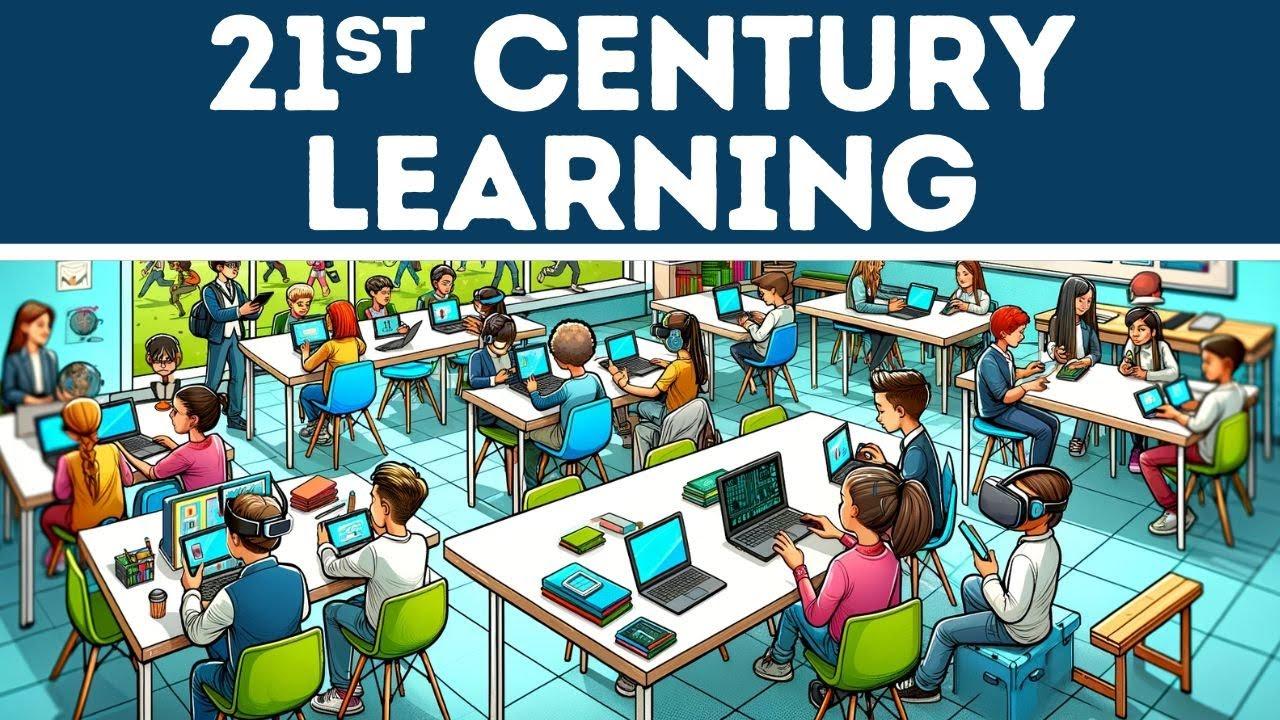
Integrating SEL into the Digital Classroom: Effective Strategies for 21st Century Learning
In the rapidly evolving landscape of 21st-century learning, the digital classroom has emerged as a hub for academic growth, connection, and innovation. yet, as technology bridges the gap between remote learners, it also presents new social and emotional challenges.That’s why integrating social-Emotional Learning (SEL) into the digital classroom is no longer optional—it’s essential for preparing students to thrive both academically and personally. In this article, we will explore why SEL is critical for virtual classrooms, its key benefits, and actionable strategies teachers can utilize to foster holistic development in digital learning environments.
What Is social-Emotional Learning (SEL)?
Social-Emotional Learning (SEL) refers to the process through which students gain and apply the knowledge, attitudes, and skills necessary to:
- Understand and manage emotions
- Set and achieve positive goals
- Demonstrate empathy for others
- Establish and maintain positive relationships
- Make responsible decisions
By integrating SEL into the digital classroom, educators can definitely help students build the competencies needed for lifelong success in an interconnected, technology-driven world.
Why Integrate SEL in the Digital Classroom?
The transition to technology-enabled instruction brings both opportunities and hurdles. While digital platforms can foster innovation and collaboration, they may also amplify issues such as screen fatigue, social isolation, and limited face-to-face interaction.That’s why prioritizing SEL in online learning environments is vital. Here’s why:
- Improved Academic Performance: Studies indicate that SEL programs can boost academic outcomes by helping students manage stress and stay focused.
- Enhanced Student Engagement: SEL promotes participation,collaboration,and resilience,reducing feelings of isolation common in virtual settings.
- Better Classroom Climate: A focus on emotional intelligence creates a positive digital classroom culture where every student feels valued and heard.
- Preparation for 21st Century Skills: SEL complements traditional curricula by developing vital skills like dialog, empathy, and problem-solving.
Effective Strategies for integrating SEL into the Digital Classroom
Creating a supportive,emotionally clever digital classroom takes planning,creativity,and continuous reflection. Here are research-backed, practical strategies for weaving SEL into online education:
1.Start with digital Check-ins
-
Open lessons with virtual check-in questions using live polls, chat, or breakout rooms.
-
Ask “how are you feeling today?” or use emojis and colour-coded mood boards to let students express themselves.
-
Offer a space for students to share their thoughts or concerns safely.
2. Utilize Collaborative Learning Tools
-
incorporate tools like Google Workspace,Padlet,or Jamboard for group projects that require teamwork and communication.
-
Assign rotating group roles (leader, note-taker, encourager) to build self-awareness and social skills.
3. Embed SEL into Curriculum content
-
Design digital lessons that include reflection prompts, journaling, and discussions about emotions, choices, and ethical dilemmas.
-
Integrate SEL-aligned literature or real-world scenarios into core subjects.
4.Foster an Inclusive and Safe Digital Environment
-
Set clear guidelines for respectful digital communication and online behavior.
-
Use moderation and positive reinforcement during live sessions and in-class forums.
5. Model SEL Skills and Self-Care
-
Demonstrate openness about your own emotions, stress management, and mindfulness practices.
-
Take brief mindfulness breaks, breathing exercises, or gratitude reflections together.
6. Leverage Edtech Platforms with Built-In SEL
-
Explore platforms like ClassDojo, Second Step, or Nearpod SEL, which offer dedicated features and resources for SEL activities.
-
Use apps for emotion tracking, digital storytelling, and meditation to encourage regular practice.
Benefits of SEL integration in 21st Century Learning
The digital classroom is not just a substitute for the physical one—it’s an opportunity to redefine engagement, equity, and emotional wellness. Integrating SEL in remote education results in:
- Resilient Learners: Students handle adversity and change with greater adaptability.
- Stronger Peer Relationships: SEL reduces bullying and enhances empathy, even behind a screen.
- Increased Motivation: Confident, connected students are more likely to take initiative and achieve goals.
- Future-Ready Skills: Collaboration, emotional regulation, and critical thinking are the foundation for 21st-century careers.
case Study: SEL in a virtual Classroom Setting
When Riverbend Middle School transitioned to online learning during the pandemic, teachers recognized a spike in student anxiety and disengagement. The school implemented:
- Daily video check-ins and weekly “Wellness Wednesdays” for open discussion
- Integration of digital mood meters and reflection journals via Google Forms
- Online peer mentorship groups for social support
Within months, student participation increased by 30%, and surveys showed heightened feelings of belonging and safety. this demonstrates the positive ripple effect of intentional SEL strategies in digital classrooms.
First-Hand Experience: Perspectives from an educator
“Incorporating SEL into my digital classroom transformed how my students connect and engage. By starting each day with a mindful check-in and ending with collaborative reflection, I noticed students took greater ownership of their learning and were more willing to support one another—both academically and emotionally.”
– Ms. Jenkins,7th grade Online Teacher
Practical Tips for Teachers: Making SEL Work Online
- Schedule recurring SEL activities (mindfulness exercises,gratitude circles) into the digital calendar
- Encourage students to set personal goals and publicly celebrate achievements
- Host virtual “open office hours” for extra support and emotional check-ins
- Incorporate multimedia (videos,music,digital art) to engage diverse learning styles
- Gather regular student feedback on SEL activities and adjust approaches as needs evolve
Conclusion: Creating a Future-Ready Digital Classroom with SEL
Integrating Social-Emotional Learning into the digital classroom is a holistic,ongoing process—one that empowers students with the essential skills and mindset to succeed far beyond the school walls. By embracing effective SEL strategies for online learning, educators cultivate classrooms that are not just technologically advanced but also emotionally supportive, inclusive, and transformative. As we continue to shape the future of education, let’s ensure that empathy, resilience, and connection are always at the heart of the digital learning experience.
Unlock the full potential of 21st-century learning—start integrating SEL into your digital classroom today.