
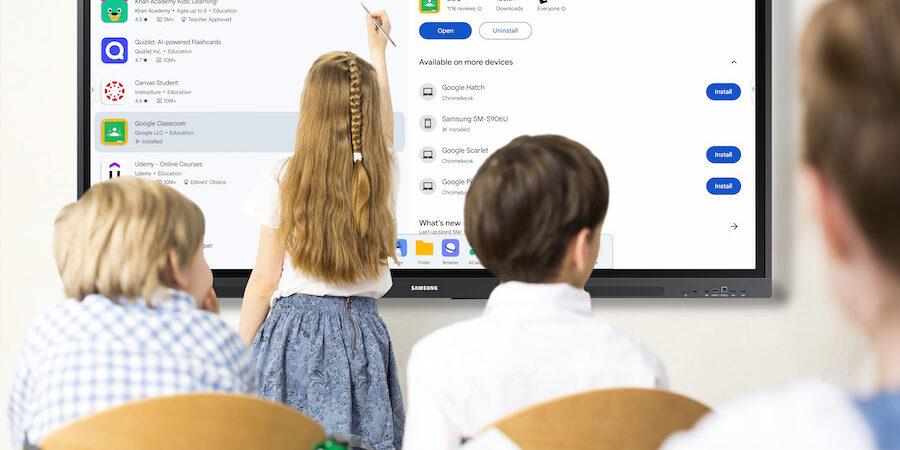
Integrating SEL into the Digital Classroom: Effective Strategies for Engaged and Empowered Learners
Introduction: The Importance of SEL in the Digital Era
as online learning environments become increasingly central in education,the need to integrate Social Emotional Learning (SEL) into the digital classroom has never been greater. SEL develops crucial skills such as self-awareness, self-management, social awareness, relationship skills, and responsible decision-making. When infused into digital learning, SEL not only improves academic outcomes but also empowers students for lifelong success. In this article, we’ll explore evidence-based strategies for effectively integrating SEL into your digital classroom, ensuring your learners remain engaged, connected, and empowered.
What is SEL and Why Does It Matter in Digital Classrooms?
Social Emotional Learning (SEL) refers to processes through which students acquire and apply knowlege, skills, and attitudes to understand and manage emotions, set goals, show empathy, maintain relationships, and make responsible decisions.Traditionally implemented in face-to-face settings, SEL in the digital space presents unique opportunities—and challenges—for students and educators.
- Increased screen time can diminish genuine social connection.
- Lack of physical presence may hinder the development of empathy and collaboration.
- Digital communication gaps can obscure nuance and emotional cues.
Integrating SEL into online learning environments ensures students are not just academically competent, but emotionally resilient and socially responsible—preparing them for both virtual and real-world interactions.
The Benefits of Integrating SEL in the Digital Classroom
Infusing SEL practices into virtual classrooms leads to a multitude of benefits for schools, teachers, and students alike:
- Improved student engagement: SEL activities foster a sense of community and belonging, encouraging active participation even in remote settings.
- Enhanced academic performance: Emotionally smart students are more focused, manage stress better, and perform higher academically.
- Reduced behavioral issues: Explicit SEL instruction cultivates emotional regulation and positive interactions.
- Increased digital citizenship: SEL encourages responsible and respectful online behavior,combating issues like cyberbullying.
- Long-term life skills: Empathy, self-regulation, and communication skills benefit students far beyond the classroom walls.
Effective Strategies for Integrating SEL into the Digital Classroom
To successfully embed SEL in digital learning environments, educators need intentional and innovative approaches that leverage technology’s strengths while addressing its challenges. Here are proven strategies:
1. Begin each Session with an SEL Check-In
- Use digital mood meters, emojis, or Google Forms to let students share how thay’re feeling before lessons begin.
- Build a routine—such as “Mindful Mondays” or “Feelings Fridays”—to normalize emotional expression.
-
Encourage open-ended reflection prompts:
- “What was a high or low point for you this week?”
- “Name one thing you’re grateful for today.”
2. incorporate Collaborative Online Projects
- Utilize shared documents, discussion boards, or breakout rooms for group work on creative projects or community service ideas.
- Assign rotating roles (facilitator, recorder, encourager) to make sure everyone practices different SEL skills.
- Promote peer-to-peer feedback with tools like Padlet or Flipgrid,cultivating a culture of respect and empathy.
3. Leverage EdTech Tools for SEL skill Building
-
Integrate platforms like:
- ClassDojo for positive reinforcement and digital portfolios.
- Schoology or Google Classroom for structured SEL lessons and activities.
- Nearpod for interactive, immersive SEL practices.
- Gamify SEL with badges or points for positive behaviors and milestones.
4. Model and reinforce Positive online Communication
- Establish digital citizenship guidelines; refer to CASEL’s core SEL competencies for structure.
- Demonstrate active listening in webinars, commenting, and video calls.
- Host “Online Conflict Resolution” scenarios for students to practice respectful dialogue.
5. Encourage Mindfulness and Self-Reflection Practices
- Begin or end virtual classes with guided meditations or breathing exercises using apps like Calm or Headspace.
- Incorporate digital journaling, gratitude walls, or vision boards for reflection.
- Host asynchronous discussion forums for reflective prompts.
6. Build a Safe and Inclusive virtual Space
- Celebrate diversity through “culture shares” or student storytelling sessions.
- Create class agreements for respectful virtual interaction and shared responsibility.
- ensure accessibility for all learners by providing captions, translations, or alternative formats.
Practical Tips for Teachers: SEL Implementation in Virtual Environments
- Start small: Integrate short SEL activities weekly rather than overwhelming your syllabus.
- Involve families: Share SEL strategies and resources with parents to reinforce skills at home.
- Utilize WordPress and LMS features: Embed polls, quizzes, forums, and badges directly into your classroom website or LMS.
- Gather feedback: Ask students regularly how SEL activities impact their learning and sense of community.
- Stay flexible: Adapt SEL approaches based on learners’ needs, grade levels, and cultural contexts.
Case Studies and First-Hand Experiences
Case Study 1: Building Community with Virtual Circles
At a Los Angeles middle school, educators used weekly virtual “circles” over Zoom and Microsoft Teams to facilitate open conversations on topics such as stress, friendship, and online safety.The result? A reported 30% increase in student participation and drastic reduction in online conflicts.
Case Study 2: Gamifying Empathy with Digital Platforms
A rural school district in Iowa piloted Classcraft, an EdTech tool that turns SEL goals into quests and rewards. Teachers noted improvements not only in digital behavior but also in willingness to help peers—both online and offline.
First-Hand Teacher Insight
“Implementing SEL in my digital classroom initially seemed daunting, but even small actions—a morning check-in, shared gratitude board, or peer shoutout—quickly fostered a strong sense of connection. Our students need to see that we care about them as people first,not just learners.”
—Ms.L.Bennett, 7th Grade Teacher
Overcoming Challenges in Digital SEL Implementation
While the benefits of integrating SEL into the digital classroom are clear, educators often face hurdles such as:
- Limited screen time: Balance SEL with academic instruction by embedding short activities.
- Varying access to technology: Offer activities that can be completed asynchronously or offline.
- Monitoring engagement: Use analytics from digital platforms to track participation and adjust strategies.
- Student privacy: Protect students by using secure platforms and respecting confidentiality.
Proactive planning,ongoing professional development,and a community-driven approach can definitely help educators navigate these challenges and deliver impactful SEL experiences online.
Conclusion: Empowering Learners Through SEL-Focused Digital Education
Integrating SEL into the digital classroom offers transformative potential for both student engagement and empowerment. By adopting intentional practices—from daily check-ins to tech-enhanced collaboration—educators can nurture not just academic success, but the emotional intelligence and resilience students need for our rapidly changing world.
As technology continues to shape education, let’s commit to making the virtual classroom a place where every learner feels valued, understood, and equipped to thrive. Ready to start? Choose one SEL strategy today and experience the difference it can make for your digital learners.