
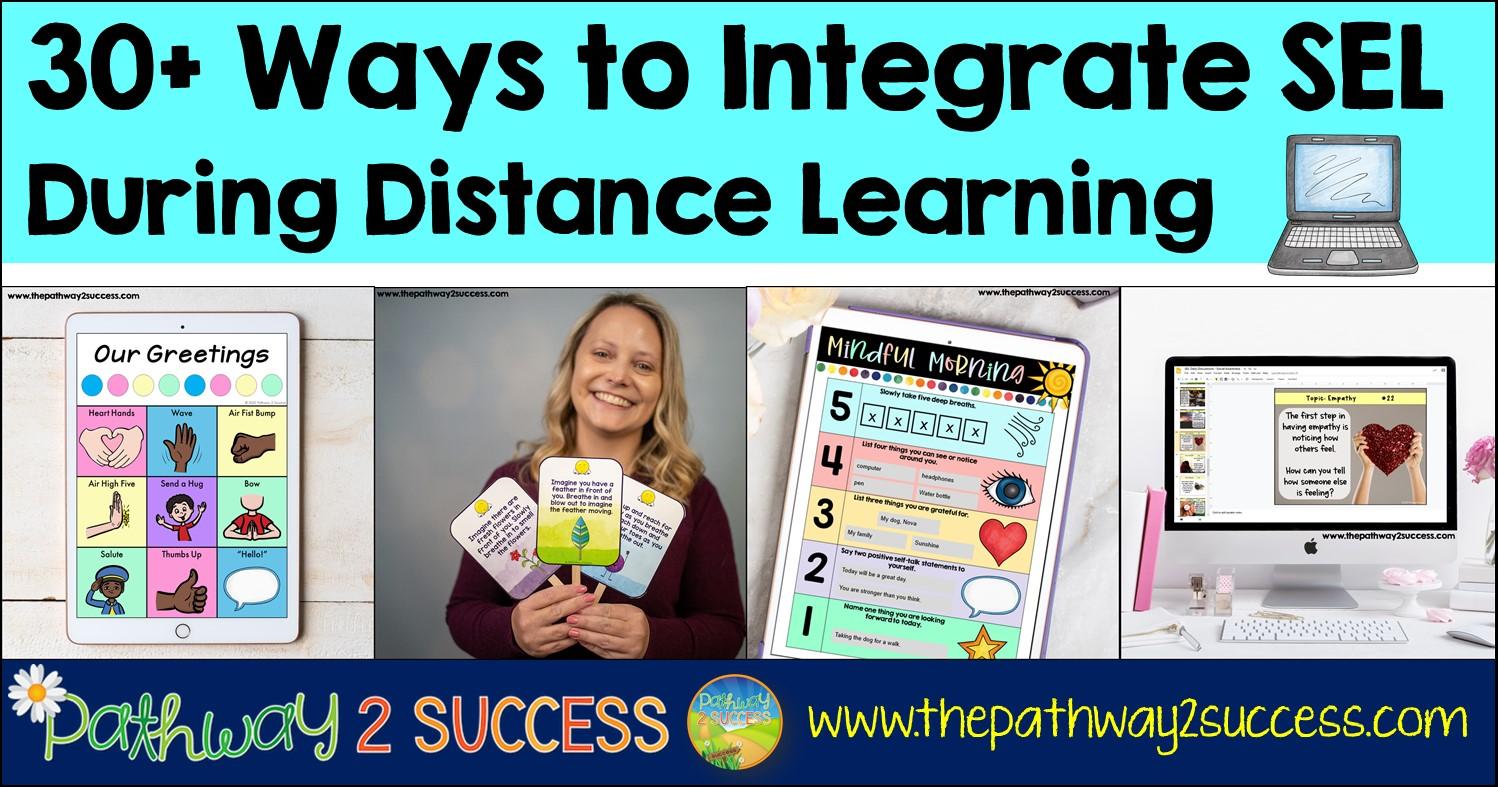
Integrating SEL into the Digital Classroom: Effective Strategies for Virtual Social-Emotional Learning
In the rapidly evolving world of online education,Social-Emotional Learning (SEL) has become more essential than ever before. As educators and students transition into virtual classrooms, the challenge of maintaining strong social and emotional connections demands effective, thoughtful solutions. Integrating SEL into the digital classroom not only supports academic achievement but also fosters resilience, empathy, and a sense of community among learners. In this article, we will explore practical strategies for implementing virtual SEL, discuss it’s benefits, and provide tips and real-life insights to help you succeed in building a healthy online learning environment.
What is Social-Emotional Learning (SEL) in the Digital Classroom?
Social-emotional Learning (SEL) refers to the process through which students acquire and apply the skills necessary to understand and manage emotions, set positive goals, show empathy, establish positive relationships, and make responsible decisions.In a virtual setting, SEL takes on unique importance, offering a foundation for student engagement, collaboration, and emotional well-being—even when face-to-face interactions are limited.
- Self-awareness: Recognizing emotions and personal strengths
- Self-management: Regulating emotions,thoughts,and behaviors
- Social awareness: Demonstrating empathy and understanding perspectives
- Relationship skills: Building and maintaining healthy online relationships
- Responsible decision-making: Making thoughtful,constructive choices in the virtual space
Why Integrate SEL into Virtual Classrooms?
Remote learning environments may inadvertently create social isolation and increase stress,making virtual SEL integration critical for students’ holistic progress. By proactively embedding SEL activities into online classes, educators can:
- Enhance student engagement and motivation
- Support mental health and reduce anxiety
- Promote positive classroom culture, even at a distance
- Encourage collaboration and effective digital interaction
- Build resilience, adaptability, and a growth mindset
Effective Strategies for Integrating SEL into the digital Classroom
Successfully weaving SEL into online lessons requires creative, intentional practices. Below are research-backed strategies and tools you can use to elevate social-emotional learning in your virtual classroom.
1. Start with Daily Emotional Check-ins
-
Use digital polling tools (Google Forms, Mentimeter, Padlet) to ask students how they feel at the start of each class.
-
Encourage open sharing by providing emotion word banks or emojis for younger learners.
-
respond with empathy and follow up with students who seem disengaged or upset.
2. Create Safe Virtual Spaces
-
Establish clear class norms that value respect, patience, and inclusivity.
-
Use breakout rooms for small group discussions and peer support.
-
Offer anonymous question or comment opportunities to ensure all voices are heard.
3. Leverage SEL-Focused Digital Tools and Resources
-
Incorporate platforms such as ClassDojo,Nearpod SEL lessons,or Sanford Harmony Online.
-
Use interactive slides, virtual journals, and goal-setting trackers to encourage ongoing reflection and personal growth.
4. Foster Positive Teacher-student Relationships
-
Schedule regular one-on-one or small group meetings to build trust and check on student well-being.
-
Send personalized feedback and celebrate individual and group achievements in real time.
5. Explicitly Teach and Model SEL Skills
-
Dedicate time for SEL mini-lessons: conflict resolution, digital etiquette, self-regulation strategies, etc.
-
Use role-playing activities, mindfulness exercises, or storytelling to make emotional skills concrete.
6. Encourage Collaborative Projects
-
Assign group tasks using collaborative tools like Google Docs, Trello, or Microsoft Teams.
-
Rotate team members to build diverse connections and leadership skills.
-
Practice group reflection after projects to discuss successes,challenges,and emotions experienced.
7. Integrate Mindfulness and Stress Management Practices
-
Start class with a swift breathing exercise or short guided meditation.
-
Share resources for self-care, such as calming videos, apps, or movement breaks.
Benefits of SEL in the Digital Learning Environment
The advantages of prioritizing social-emotional learning online go far beyond academic performance. Consider these key benefits:
- Improved student engagement: Students who feel seen and valued are more likely to participate and persevere.
- Enhanced emotional regulation: SEL helps students manage digital stressors and setbacks.
- Stronger online relationships: SEL promotes empathy, active listening, and constructive feedback in virtual spaces.
- Better conflict resolution: Students learn to navigate misunderstandings and digital disagreements with respect.
- School and life readiness: SEL nurtures lifelong skills crucial for collegial work, citizenship, and personal growth.
Practical Tips for Teachers: Making Virtual SEL Work
- Simplify wherever possible: Avoid overwhelming students with too many platforms or routines—consistency is key.
- Be transparent: Let students know why SEL matters and how it will be integrated.Connect skills to real-world scenarios and digital experiences.
- Involve families: Share SEL goals with parents and provide at-home resources or conversation starters.
- Model vulnerability: share your own strategies for managing stress or setbacks, and encourage honest dialog.
- Collect feedback: Regularly check in with students about what SEL strategies are helpful and adjust course as needed.
Case Study: SEL Success in a Virtual Middle School Classroom
“After moving fully online, my eighth-grade students struggled with motivation and connection. By starting every week with an SEL check-in and ending with team challenges using digital tools, our attendance and participation improved dramatically. Students wrote journal reflections on empathy and gratitude, and I noticed less bullying and more supportive conversations in chat. SEL made virtual school feel more ‘real’ and human.”
– Ms. Johnson, Middle School Teacher, Oregon
This real-world example underscores the transformative potential of virtual SEL strategies in fostering not only classroom engagement but also genuine personal growth and community.
Overcoming Common Challenges in Virtual SEL Implementation
- Digital fatigue: Use varied, interactive methods to keep SEL activities fresh.
- Equity and access: Ensure SEL materials and activities are accessible to all students, providing alternatives as needed.
- Teacher preparedness: Seek professional development or connect with SEL communities online for support and new ideas.
- Privacy concerns: Respect boundaries, especially with personal sharing or breakout rooms. Allow for anonymity when appropriate.
Conclusion: Building a Compassionate, Connected Digital Classroom
As education continues to embrace online and blended formats, intentionally integrating Social-Emotional Learning into the digital classroom is essential for preparing students not just academically, but as empathetic, confident citizens of a changing world. By leveraging effective SEL strategies for virtual classrooms, educators can foster a vibrant, resilient, and collaborative learning community—no matter the distance. Start with small, consistent SEL practices, and watch as your virtual classroom grows into a supportive and inspiring space for every learner.