
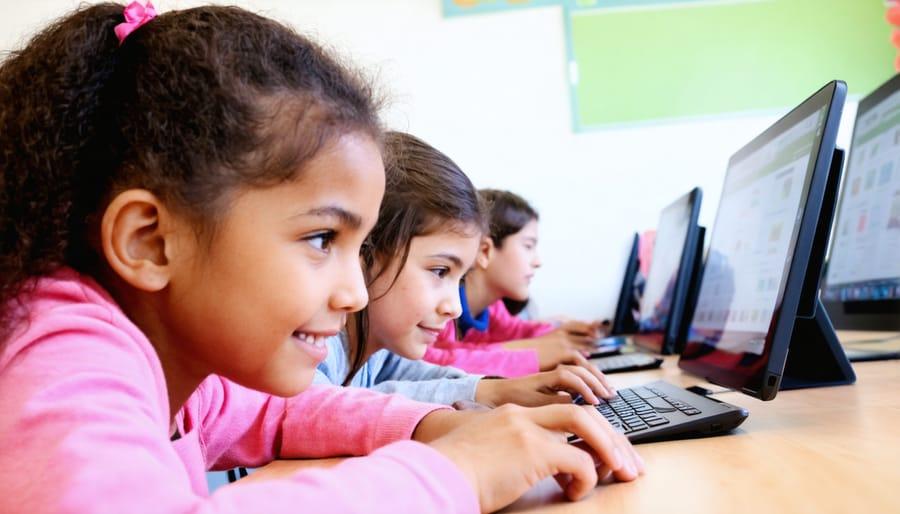
Integrating SEL into the Digital Classroom: Practical Strategies for Enhanced Student Engagement
The digital conversion of education has revolutionized how students learn and interact, but it comes with unique challenges, especially in nurturing students’ social and emotional well-being. Integrating Social Emotional Learning (SEL) into the digital classroom goes beyond academic achievement—it creates a supportive, engaging, and holistic learning environment. In this article, we’ll explore practical strategies to seamlessly implement SEL, the benefits of SEL for online learners, and proven methods for enhanced student engagement.
- What is Social Emotional Learning?
- Why Integrate SEL into Digital Classrooms?
- Practical Strategies for Integrating SEL Online
- Benefits of SEL Integration in Online Learning
- Case studies: SEL in the Digital Classroom
- Conclusion
What is social Emotional Learning?
Social Emotional Learning (SEL) is the process through which children and adults acquire and effectively apply the knowledge, attitudes, and skills necessary to understand and manage emotions, establish positive relationships, and make responsible decisions. The Collaborative for academic, Social, and Emotional Learning (CASEL) defines five core competencies of SEL:
- Self-awareness: Recognizing one’s emotions and values
- Self-management: Regulating emotions and behaviors
- Social awareness: Showing empathy and understanding diversity
- Relationship skills: Communicating and cooperating effectively
- Responsible decision-making: making ethical, constructive choices
Why Integrate SEL into Digital Classrooms?
With the shift to online learning, students may experience isolation, reduced motivation, and decreased social interaction. SEL integration in the digital classroom helps address these issues by fostering connectivity, empathy, and emotional safety. Additionally, digital platforms can make SEL more accessible and engaging through multimedia, interactive activities, and real-time feedback.
Online environments challenge traditional relationship-building but create new opportunities for personalized, adaptive SEL experiences—empowering educators to reach every student.
Practical Strategies for Integrating SEL in the Digital Classroom
Incorporating SEL into online education doesn’t have to be complex. Here are actionable, practical strategies you can implement right away to enhance student engagement and well-being online.
1. Begin with Daily Check-ins
- Start classes with a brief emotional check-in using polls or chat emojis to gauge students’ feelings.
- Platforms like Google Forms or Mentimeter are effective for anonymous sharing.
- Use the data to tailor discussions and provide needed support.
2. Foster Virtual Community Circles
- set aside regular time for “virtual circles” were students share thoughts, experiences, and encourage each other.
- Use breakout rooms for smaller group conversations to enhance trust and participation.
3. Integrate Collaborative Projects and Peer Learning
- Group students for project-based learning using tools like Google Docs or Padlet.
- Rotation-based roles (e.g., leader, scribe, timekeeper) build obligation and teamwork.
4. Model and Embed Self-Reflection Practices
- Encourage journaling or reflection logs within LMS platforms,such as google Classroom or Canvas.
- Promote activities that help students process emotions and recognize growth.
5. Teach Digital Citizenship and Empathy
- Embed lessons on respectful online communication and responsible digital behaviour into regular curriculum.
- Roleplay activities and scenario-based lessons encourage perspective-taking.
6. Recognize and Celebrate Achievements
- Use digital badges, shout-outs, or virtual “celebration boards.”
- Encourage positive peer feedback and group recognition.
7. Maintain Regular, Intentional Communication
- Send personalized messages of encouragement via email or platforms like Remind.
- Host virtual office hours and “open door” video calls for emotional support.
Free Tools and Resources for Digital SEL
- Seesaw: Student-driven digital portfolios and reflection journals
- Flip: Video-based discussions to share emotions and experiences
- Everfi: Interactive SEL curriculum and modules
- Pear Deck: SEL-focused templates for interactive slides
Benefits of SEL Integration in Online Learning
Incorporating Social Emotional Learning into digital classrooms doesn’t just support academic success—it builds lifelong learners and empathetic digital citizens. Here’s how SEL improves online education:
- Increased Student Engagement: SEL fosters a sense of belonging,leading to greater participation and collaboration.
- Reduced Feelings of Isolation: Frequent interactions and emotional check-ins help combat loneliness.
- Enhanced Academic Performance: students who feel safe and supported are more motivated to learn.
- Better Mental Health: Proactive SEL practices nurture resilience and emotional regulation, crucial in remote settings.
- Improved Communication Skills: Discussion, reflection, and peer feedback develop digital communication competencies.
- Digital Citizenship: Teaching empathy and online etiquette prepares students for responsible online behavior.
Teachers’ First-Hand Experience: SEL Makes a Difference
“After integrating weekly virtual circles and daily mood check-ins, my students became noticeably more supportive of one another.Their engagement in assignments improved, and shy students began to participate more openly.”
— Jessica W., 7th Grade teacher
Case Studies: SEL in the Digital Classroom
Case Study 1: Building Connections in Middle School
A middle school in Texas implemented a virtual “morning meeting” at the start of every online day. Teachers led guided mindfulness activities and open discussions on topics like managing stress and digital fatigue. One semester later,survey data showed:
- 25% increase in reported student engagement
- 35% decrease in disciplinary incidents
- Improved peer-to-peer support in collaborative assignments
Case Study 2: SEL-Embedded Curriculum in High School
A high school English department embedded SEL into literature studies by connecting character emotions and decision-making with students’ own experiences.Students participated in online journals and peer empathy exercises. As an inevitable result:
- Students demonstrated higher comprehension scores
- Classroom discussions became more inclusive
- Emotional vocabulary and self-expression improved among participants
Conclusion
The future of education is digital—so should be our approach to Social Emotional Learning. Integrating SEL into the digital classroom equips students not just for academic achievement, but also for life beyond school.By adopting practical strategies like check-ins, community circles, peer projects, and digital citizenship training, educators can foster a culture of compassion, engagement, and resilience.
The success stories and research-backed benefits clearly illustrate the transformative impact of SEL in online learning environments. Start small, be consistent, and collaborate with your students—SEL is a journey, not a destination.