
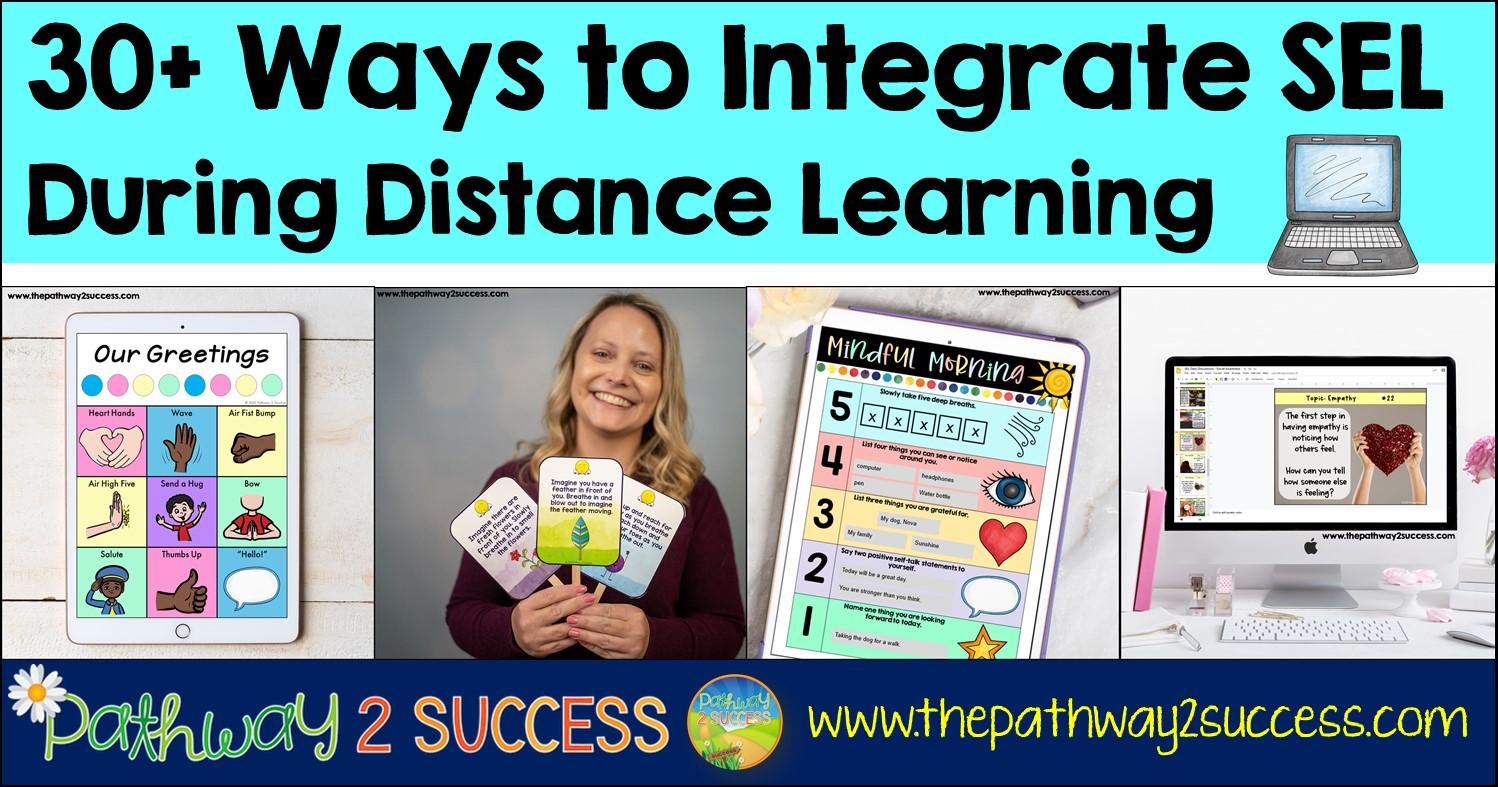
Integrating SEL into the digital Classroom: Proven Strategies for Engaged and Resilient Learners
In today’s rapidly evolving educational landscape, the digital classroom has transformed traditional teaching methods, presenting both opportunities and challenges for fostering Social and Emotional learning (SEL). By integrating SEL into the virtual habitat, educators can empower students to become engaged, resilient learners who thrive academically and personally.
Introduction
With the advent of remote learning and the increased reliance on educational technology, Social and Emotional Learning (SEL) has become more essential than ever. SEL lays a foundation for healthy relationships,academic success,and emotional well-being. In a digital classroom, SEL not only supports students’ mental health but also cultivates engaged, resilient learners who can adapt to change and overcome challenges.
This comprehensive guide explores proven strategies for integrating SEL into the digital classroom, highlights key benefits, and provides actionable tips.Designed for educators, administrators, and edtech enthusiasts, this article delivers valuable insights to foster a positive virtual learning environment.
what is Social and Emotional Learning (SEL)?
Social and emotional Learning (SEL) refers to the process through which individuals acquire and effectively apply the knowlege,attitudes,and skills necessary to understand and manage emotions,set positive goals,show empathy,establish healthy relationships,and make responsible decisions. the five core competencies identified by CASEL (Collaborative for Academic, Social, and Emotional Learning) include:
- Self-Awareness
- Self-Management
- Social Awareness
- Relationship Skills
- Responsible Decision-Making
By nurturing thes competencies, educators can build a supportive digital classroom culture where students feel valued, connected, and prepared for life’s challenges.
Benefits of integrating SEL in the Digital Classroom
- Improved Student Engagement: SEL increases motivation, participation, and interest in virtual lessons.
- Enhanced Academic Performance: Students who feel emotionally supported tend to perform better academically.
- Reduced Anxiety and Stress: Digital SEL activities help students manage stress, especially in remote settings.
- Stronger Relationships and Peer Connections: SEL fosters collaboration, empathy, and respect among students.
- Greater resilience: Learners develop coping strategies to persevere through challenges,setbacks,or change.
Proven Strategies to Integrate SEL into Digital Classrooms
To effectively incorporate SEL into an online learning environment, educators can deploy a variety of strategies. Here’s how to seamlessly blend SEL competencies into your digital classroom:
1. Embed SEL Activities in Daily Routines
- Emotion Check-Ins: Start each virtual session with a quick emotional check-in.Use digital tools like Mentimeter or Google Forms to encourage students to share how they feel.
- Journal Prompts: Ask students to reflect on their emotions or experiences through digital journals,fostering self-awareness and self-management.
2.Foster collaboration Through Digital Breakout Rooms
-
Organize group projects and discussions in breakout rooms. Encourage teamwork, active listening, and empathy.
-
Utilize collaborative platforms such as Padlet or Jamboard to co-create presentations, mind maps, and shared stories.
3. Create safe Virtual Spaces for Sharing
-
Host open forums or “circle time” via video chat, inviting students to share their thoughts, feelings, or experiences without judgment.
-
Develop digital community guidelines collaboratively to ensure respectful and inclusive interactions.
4. Integrate Mindfulness and Well-being Practices
-
Lead short mindfulness exercises, breathing sessions, or gratitude practices before or after lessons.
-
Share curated playlists, guided meditation apps, or well-being challenges.
5. Provide Feedback and Celebrate achievements
-
Implement digital “shout-out” boards or badges to recognise effort, kindness, and growth.
-
Offer constructive, personalized feedback using positive reinforcement.
6. Use SEL-Focused Digital Curriculum & Tools
-
Adopt edtech solutions tailored for SEL, such as Nearpod SEL Lessons, Peekapak, or ClassDojo.
-
Integrate interactive quizzes, scenario-based games, and multimedia stories centered on SEL themes.
7. Involve Families in SEL Initiatives
-
Communicate regularly with parents and caregivers about SEL goals and activities.
-
Share SEL resources and at-home activities that reinforce classroom learning in the digital space.
Practical Tips for Educators
- Consistent Scheduling: Incorporate SEL activities at regular intervals to build routines and trust.
- Model SEL Competencies: Demonstrate healthy behaviors such as active listening, empathy, and self-reflection during virtual sessions.
- Assess and Adjust: Use student feedback and formative assessments to refine SEL implementations.
- Professional Advancement: Participate in webinars, online courses, and communities dedicated to SEL in digital learning.
- Promote Equity: Ensure all digital SEL activities are accessible and inclusive, considering diverse learning needs and home environments.
Case Studies: SEL Success Stories in Virtual Learning
Case Study 1: Building relationship Skills in Elementary Classrooms
During school closures, Ms. Garcia, a fifth-grade teacher, utilized Zoom breakout rooms for “buddy chats,” fostering new friendships and strengthening peer connections. Her SEL-integrated lessons helped students feel a sense of belonging even while learning from home, reflected in higher attendance and more active participation.
Case Study 2: Mindfulness in Middle School
Mr.Lee introduced daily mindfulness breaks using Calm Classroom resources in his middle school math class. By integrating SEL practices into the daily schedule, students reported reduced anxiety and improved concentration on challenging tasks.
Case Study 3: Transformative Feedback in High School
Mrs. Patel embraced digital “growth boards” where high schoolers anonymously celebrated each other’s efforts. The virtual recognition system led to improved self-esteem and a more supportive classroom culture throughout the semester.
Firsthand Experience: Insights from the Virtual Classroom
As a teacher who transitioned to a fully virtual format, I found SEL integration crucial for student success and well-being. Simple strategies—like weekly goal-setting, community “shout-outs,” and regular parent updates—created a connected, resilient classroom, even across screens. Students became more willing to share struggles, collaborate on group tasks, and take academic risks, knowing their emotional health mattered just as much as their grades.
Conclusion
Integrating social and Emotional Learning (SEL) into the digital classroom is more than a trend—it’s an educational imperative. By leveraging technology and proven SEL strategies, educators can create virtual learning environments that nurture engaged, resilient learners equipped for both academic achievement and personal growth.
Whether you’re an experienced teacher or new to remote instruction, a commitment to digital SEL will pave the way for stronger relationships, higher engagement, and lifelong resilience. Embrace the power of SEL and watch your digital classroom transform into a vibrant community of thriving students.