
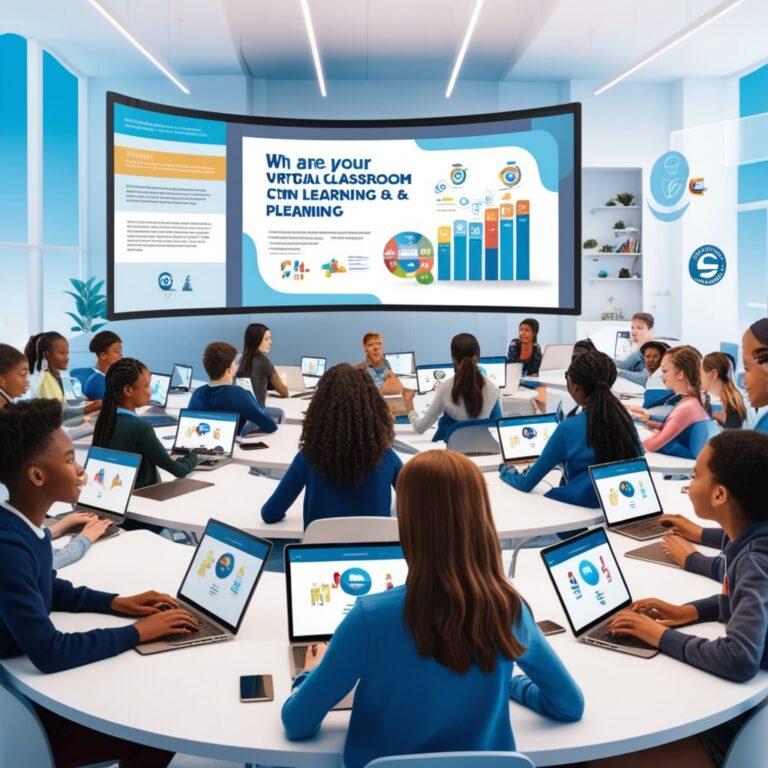
Integrating SEL into the digital Classroom: Strategies for Enhancing Online Student Well-Being
The evolution of education into digital spaces has opened new possibilities—and new challenges. As remote and hybrid learning models become commonplace, educators must find effective ways to nurture not only academic achievement but also student well-being. Integrating Social and Emotional Learning (SEL) into digital classrooms is essential for fostering resilience, empathy, and positive relationships among students. In this extensive guide, we’ll explore proven strategies for embedding SEL into online learning environments and maximizing student success.
What is Social and Emotional Learning (SEL)?
Social and Emotional Learning—or SEL—is the process by which children and adults develop crucial skills for life effectiveness. These skills include self-awareness, self-management, social awareness, relationship skills, and responsible decision-making. In customary classrooms, SEL may come naturally through face-to-face interactions. However, integrating SEL into the digital classroom requires intentionality and thoughtful planning.
Why SEL Matters in the Digital Classroom
SEL has always played a significant role in education, but its importance in digital classrooms is even more pronounced.Online learning can create feelings of isolation, stress, and disconnection, making it vital for educators to prioritize student well-being. Here are key benefits of SEL in the digital classroom:
- Improved Engagement: When students feel emotionally supported, they’re more likely to participate and stay motivated.
- Stronger Relationships: SEL fosters positive peer interactions—even in virtual environments.
- Better Academic Performance: Students with strong SEL skills consistently show improved academic outcomes.
- Unity and Belonging: SEL boosts feelings of inclusion and connectedness.
- Resilience: Students learn to manage stress and adapt to new challenges, essential in online settings.
Challenges of Building Student Well-Being Online
While digital learning offers versatility and innovation, it can also challenge traditional SEL delivery. Common obstacles include:
- Lack of Physical Presence: Nonverbal cues and spontaneous conversations are reduced.
- Digital Fatigue: Prolonged screen time can diminish student engagement.
- Accessibility: Not all students have equal access to technology or supportive home environments.
- Differentiated Needs: Teachers must address diverse emotional and social needs in an online setting.
Despite these challenges, integrating SEL into digital classrooms is both possible and highly effective with targeted strategies.
Effective Strategies for Integrating SEL in Digital Classrooms
Here’s how educators can weave SEL into the fabric of thier online instruction to enhance student well-being and academic success:
1. Start with Check-Ins
- Morning Meetings: Begin each online class with a quick check-in. Use polls, chat prompts, or video greetings to gauge student moods.
- SEL Question of the Day: Pose a reflective SEL question to encourage sharing and self-awareness (e.g., “What’s one thing you’re proud of today?”).
2. Build Virtual Community
- Collaborative Projects: Use breakout rooms and online collaboration tools like Google Docs or Padlet to encourage teamwork.
- Peer Mentoring: Pair students for virtual buddy systems or study groups.
- Celebrations: recognize achievements, birthdays, and efforts regularly.
3. incorporate mindfulness and Stress Management
- Guided Breathing: Dedicate a few minutes to deep breathing exercises or short mindfulness activities.
- Mindful Breaks: Encourage short screen-free breaks to prevent digital burnout.
- SEL Apps and Tools: Integrate platforms like Calm, Headspace, or GoNoodle into your digital routine.
4. Foster Open Communication
- Safe Spaces: Make it clear that your digital classroom is a judgment-free zone. Use open forums or anonymous questions for candid sharing.
- Regular Feedback: Use formative assessments, quick surveys, or digital suggestion boxes to give students a voice in their learning environment.
5. Explicitly Teach SEL Skills Online
- Interactive SEL Lessons: Use interactive slides, games, and role-plays to teach empathy, conflict resolution, and emotional regulation.
- Modeling: Demonstrate SEL skills through teacher behavior during virtual lessons.
6. Leverage Technology to Support SEL
- Discussion Boards: Create dedicated channels for social sharing and topic-based discussions.
- SEL-Integrated Learning Management Systems: Choose platforms that support mood check-ins or reward systems (like ClassDojo or Nearpod).
- Digital Storytelling: Let students express themselves through video journals, blogs, or creative presentations.
case Studies: SEL Integration Success Stories
To illustrate the impact of integrating SEL in the digital classroom, let’s look at two real-world examples:
Case Study 1: elementary Remote Learning Cohort
A public school in California implemented daily SEL rituals, including mood meters and gratitude exercises. Teachers used Zoom’s breakout rooms for group discussions and assigned weekly journaling tasks focused on emotional expression.After one semester, the school reported a 30% increase in student participation and a significant reduction in reported feelings of isolation.
Case study 2: international Virtual High School
An international online school leveraged platforms like Flipgrid for peer-to-peer video reflections and incorporated SEL prompts into all subject areas. teachers received SEL training in virtual environments. The result? more engaged students, higher retention rates, and improved cross-cultural understanding among learners.
Practical Tips for Educators: Enhancing Online Student Well-Being
- Set Clear Expectations: Establish and reinforce guidelines for respectful and supportive digital behavior.
- Offer Flexibility: Recognize individual circumstances and differentiate assignments where possible.
- Promote Digital Citizenship: Teach responsible online behavior and empathy in digital interactions.
- Encourage Social Connection: Build virtual clubs, interest groups, or after-school social hours.
- Engage Families: Share SEL objectives and strategies with parents to promote consistency and support at home.
- Monitor and Respond: Watch for signs of disengagement or distress,and connect students with additional resources or support.
How WordPress Educators Can Style SEL Content
For educators using WordPress or similar platforms to deliver digital lessons, CSS can enhance readability and engagement.Here are some quick WordPress CSS tips for showcasing SEL content:
- Highlight Key Takeaways: Use the
.wp-block-quoteclass to style significant SEL messages or testimonials. - Visual Separation: Use background colors (
.has-background) to distinguish SEL activities and resources. - Interactive Elements: Leverage blocks or plugins that allow for embedded polls,quizzes,or reflection prompts.
Example CSS snippet:
.wp-block-quote {

    border-left: 4px solid #4A90E2;

    padding-left: 20px;

    background-color: #f0f8ff;

    font-style: italic;

}

.has-background {

    background-color: #e5ffe5;

    padding: 15px;

    border-radius: 5px;

}
Conclusion: Transforming Digital Learning with SEL
Integrating SEL into the digital classroom is more than just a best practice; it’s a necessity for nurturing well-rounded, resilient, and empathetic students. With intentional strategies, practical tools, and a commitment to student well-being, educators can transform online learning environments into inclusive, supportive communities where every student thrives. By prioritizing social and emotional learning alongside academic development, we can equip our students with the skills they need to navigate both the digital world and life beyond the classroom.
Ready to boost student well-being in your online classroom? Start small, stay consistent, and watch your digital learners flourish!