
Integrating SEL into the Digital Classroom: Strategies for Successful Social-Emotional Learning Online
Social-emotional learning (SEL) plays a vital role in modern education, equipping students with the skills too manage emotions, build healthy relationships, and navigate challenges successfully. In today’s increasingly digital world,the traditional classroom has expanded into virtual environments. this transition brings new opportunities and unique challenges for integrating SEL into the digital classroom. In this article, we’ll explore the benefits of SEL online, practical strategies to implement it effectively, and real-world case studies that showcase its impact.
What is Social-Emotional Learning (SEL) and Why is it Meaningful?
SEL refers to the process by which children and adults acquire and apply the knowledge, attitudes, and skills necessary to understand and manage emotions, set positive goals, establish healthy relationships, and make responsible decisions.According to CASEL (Collaborative for Academic, Social, and Emotional Learning), effective SEL programs lead to improved academic outcomes, better emotional regulation, and enhanced collaboration skills.
- Improved academic performance
- Decreased emotional distress and behavioral issues
- Stronger interpersonal relationships
- Increased resilience and empathy
Now, as teaching and learning increasingly shift online, integrating SEL into the digital classroom is essential to support students’ well-being and success.
The Benefits of Integrating SEL into the Digital Classroom
Implementing SEL strategies in virtual or hybrid learning environments offers a range of advantages for both students and educators:
- Fosters digital citizenship: SEL helps students navigate the challenges of online communication and digital collaboration, encouraging respectful and responsible digital behavior.
- Supports emotional well-being: With less face-to-face time, structured SEL activities provide students with a foundation for emotional support, stress management, and self-regulation.
- Encourages belonging and connection: Virtual SEL activities can break down barriers and help students feel more connected in a digital environment.
- Improves engagement and motivation: When students feel seen and supported emotionally, they are more likely to participate and stay motivated during online lessons.
- Equips for real-world success: Skills like empathy, resilience, and effective communication are valuable both in online learning and future workplaces.
Challenges of Implementing SEL in the digital Classroom
While the advantages are clear, educators face specific obstacles when integrating social-emotional learning online:
- Reduced personal connection compared to face-to-face classrooms
- Difficulty recognizing nonverbal cues and emotional signals
- Varied access to technology and digital platforms among students
- Balancing academic content with SEL activities in limited online time
Addressing these challenges requires intentional planning and creative solutions, which we’ll explore in the next section.
proven Strategies for Integrating SEL into the Digital Classroom
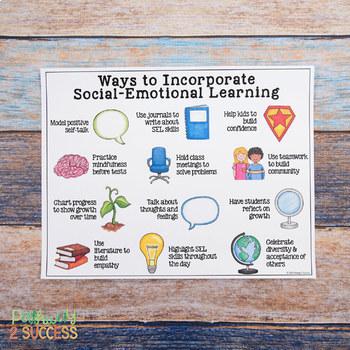
To effectively foster social-emotional learning online,educators can incorporate the following SEL strategies and best practices into their digital classrooms:
1. Begin with Mindful Check-Ins
- Start each session with a brief emotional check-in using chat, polls, or digital survey tools (e.g. Google Forms, Mentimeter).
- Ask students to share how they’re feeling or what’s on their minds (using emojis, colors, or short phrases).
- This normalizes emotions and builds classroom trust.
2. Foster Safe, Inclusive Digital Spaces
- Establish and review virtual classroom norms that encourage respect, empathy, and active listening.
- Utilize breakout rooms for small-group discussions or collaborative projects,and assign rotating group leaders to empower student voices.
- Use moderation tools to address inappropriate digital behavior and maintain a positive environment.
3. Integrate SEL Activities into Academic Content
- Embed SEL practices into daily lessons—such as reflection journals, gratitude activities, or cooperative problem-solving challenges.
- Use project-based learning to encourage collaboration and real-world problem-solving.
- Link SEL competencies (self-awareness, responsible decision-making, social awareness, self-management, relationship skills) to subject matter—for example, analyzing character motives in literature or discussing ethical dilemmas in science.
4. Leverage Digital Tools & resources for SEL
- Educational apps,like ClassDojo and Seesaw, offer activities and comment features to facilitate positive feedback, goal-setting, and self-reflection.
- Use multimedia resources (videos, podcasts, interactive stories) that model emotional skills or spark meaningful discussions.
- Employ collaborative tools (Google Docs, Padlet, Jamboard) to support group work and peer communication.
5. Encourage Student Voice and Choice
- Give students regular opportunities to share opinions, construct classroom agreements, and make choices in learning activities.
- Provide digital “suggestion boxes” or anonymous surveys so all students can express their feelings and concerns.
- Feature student-led presentations or peer teaching, boosting confidence and leadership capabilities.
6. prioritize Teacher-Student and Peer Relationships
- Set aside time for virtual one-on-one meetings or small group check-ins unrelated to academics.
- Use regular positive feedback, recognition, and digital badges to reinforce community and celebrate student growth.
- Encourage peer mentorship or buddy programs, pairing students to support and motivate each other online.
7. Provide Social-Emotional Skill Building Opportunities
- Schedule dedicated SEL sessions focused on skills such as emotional literacy, conflict resolution, and stress management.
- Introduce mindfulness exercises or guided relaxation activities to help students manage anxiety and boost focus.
- Teach digital etiquette and online safety as key components of responsible social-emotional behavior in the digital age.
Case Studies: SEL Success in the Digital Classroom
Case Study 1: Virtual Morning Meetings at Oak ridge Elementary
After transitioning to remote learning, educators at Oak ridge Elementary implemented daily virtual “morning meetings.” Using video conferencing, they led students through emotional check-ins, team-building games, and brief mindfulness exercises. Teachers reported higher student engagement, improved social connections, and fewer behavioral issues, even during remote instruction.
Case Study 2: Collaborative Digital Storytelling at Lincoln Middle School
Lincoln Middle school integrated SEL by launching digital storytelling projects where students worked in teams to create narratives around empathy, overcoming adversity, and friendship. student reflections indicated stronger communication, collaboration, and emotional understanding. Teachers noted improved peer support and participation in other academic areas.
practical Tips for Teachers: Bringing SEL Online
- Be consistent: Make SEL a regular part of the online learning routine, not just a one-off activity.
- Model empathy and vulnerability: Share personal stories and emotions to show students it’s okay to express themselves.
- Involve families: Communicate SEL goals and encourage caregivers to reinforce skills at home.
- Be flexible: Adapt SEL activities for synchronous (live) and asynchronous (self-paced) formats.
- Monitor and adjust: Use student feedback and digital participation analytics to refine SEL approaches.
First-Hand Experience: A Teacher’s Perspective
as an 8th-grade math teacher, shifting to online instruction during the pandemic was overwhelming—not just for academics, but for student well-being. Weekly “Feelings Check” polls helped me see which students needed support, and virtual peer group projects built a sense of belonging. Focusing on SEL online wasn’t just possible, it was essential for engagement and learning. Today, even in hybrid models, I continue to prioritize these connections—and my students thrive.
– Ms. J.Thompson, Edison Public Schools
Conclusion: Making SEL a Foundational Part of Online Learning
Integrating SEL into the digital classroom is not just a response to the challenges of remote learning—it’s an investment in students’ long-term success. By fostering emotional intelligence, empathy, and strong relationships online, educators can create inclusive, supportive learning environments that empower students for a brighter future.Start small, remain consistent, and let student needs lead the way. With the right strategies, social-emotional learning will thrive, no matter the platform.
Further Reading:
- The CASEL Framework for SEL
- How to Support SEL in digital Classrooms (Edutopia)
- Common Sense education: SEL in the Remote Classroom