
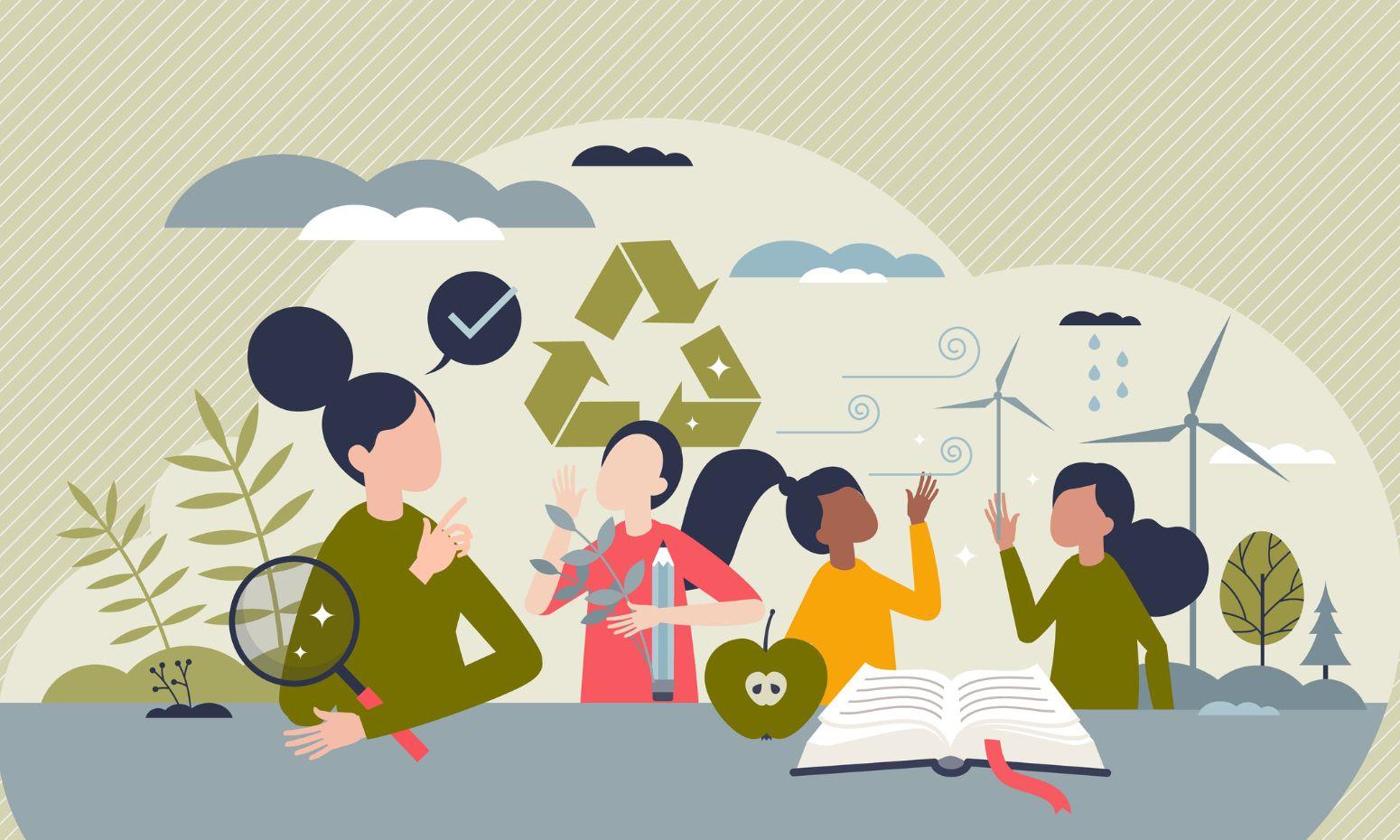
Integrating Sustainable Technologies in educational Settings: Innovations Shaping the Future of Learning
As educational institutions worldwide face growing demands for environmental responsibility and enhanced learning outcomes, integrating sustainable technologies in educational settings has emerged as a game-changer. From K-12 classrooms to university campuses, the shift towards sustainable innovation is helping schools reduce their ecological footprint, optimize resource use, and prepare students to become environmentally conscious citizens. In this article, we’ll explore the transformative impact of sustainable technology integration in education, review current innovations reshaping learning, and provide actionable steps for institutions aiming to go green and smart.
Why Sustainability Matters in Education
Sustainability in education goes beyond recycling bins and energy-saving campaigns. It involves embedding eco-friendly practices into infrastructure, curriculum, and campus culture. With the rise of climate change awareness, educational stakeholders—institution leaders, teachers, students, and parents—recognise the pivotal role schools play in fostering a sustainable future. Integrating sustainable technologies in educational settings not only curtails energy consumption and waste but also enriches the learning environment, making it healthier, more engaging, and future-ready.
Key Sustainable Technologies for Modern Educational settings
Innovative technologies supporting sustainability are making schools smarter and greener. Here are some leading solutions:
- Solar Panels and Renewable Energy: Schools are harnessing solar, wind, or geothermal energy to power classrooms, reduce electricity bills, and teach students about clean energy.
- LED and smart Lighting Systems: Energy-efficient and motion-sensitive lighting minimize energy waste in hallways, classrooms, and outdoor spaces.
- Interactive Digital Learning Platforms: Replacing conventional paper-based teaching with digital devices, online resources, and collaborative virtual environments cuts down paper usage and supports remote/hybrid learning.
- Water Conservation Technologies: Automated irrigation,low-flow faucets,and greywater recycling systems help reduce water consumption across campuses.
- Green Building Materials and Smart Design: Incorporating sustainable construction materials,proper insulation,and designs that maximize natural light and ventilation.
- IoT-Enabled Smart Classrooms: Clever sensors monitor air quality, manage temperature, and optimize energy usage for comfort and efficiency.
- Waste Management Systems: Composting stations, recycling kiosks, and digital tracking systems encourage responsible disposal and recycling habits.
Benefits of Integrating Sustainable Technologies in Education
The adoption of sustainable technology provides a broad array of advantages for educational institutions, students, and the planet. Here are some compelling benefits:
- Reduces Operational Costs: Lower utility bills and maintenance costs free up resources for educational programs and staff advancement.
- Improves Indoor Learning Environment: Enhanced air quality, natural lighting, and pleasant temperatures create more focused and productive classrooms.
- Fosters Environmental Literacy: Students engage firsthand with sustainable technology, reinforcing environmental stewardship and real-world problem solving.
- Boosts Institutional Reputation: Green initiatives attract positive attention from parents, prospective students, and the wider community.
- Prepares Students for green Careers: Exposure to modern sustainability practices and tech skills gives students a competitive edge in emerging industries.
- Supports policy Compliance and Funding Opportunities: Manny governments and organizations now prioritize funding and recognition for sustainable schools and universities.
Real-World Case Studies: Sustainable Technology in Action
Exploring case studies reveals the tangible impact of sustainable technologies in educational settings.
1. Sonoma Academy, California
This high school set new standards with its LEED Platinum certified “Jan Shrem and Maria Manetti Shrem Academic Center.” The campus features rooftop solar arrays, geothermal energy, rainwater harvesting, and advanced daylighting systems. Result: Net-zero energy usage, reduced utility costs, and immersive sustainability-focused curricula.
2.University of Exeter, United Kingdom
Exeter upgraded its campus with smart sensor technology for lighting and HVAC, achieving a 35% reduction in energy consumption. The university’s Green Consultants program integrates real-life sustainable tech projects into student learning, building essential “green skills” for future employment.
3.Singapore’s Green School Movement
Singapore’s Ministry of Education redesigned nine schools using sustainable architecture, solar panels, rain gardens, and “learning corridors” that combine natural and built environments. Improved environmental literacy and energy-cost savings have led to nationwide expansion plans.
Practical Tips for Educators & Administrators: Getting Started
Integrating sustainable technologies in educational settings may seem daunting, but schools of all sizes can begin making impactful changes with these strategies:
- Conduct a Sustainability Audit: Assess current energy, water, and resource usage to identify quick wins and long-term opportunities.
- Form Green Teams: Engage students, educators, and facilities staff in brainstorming and implementing eco-friendly initiatives.
- Pilot Projects: Start with manageable projects—smart thermostats, composting bins, or digital learning pilots—and scale up based on results.
- Secure Funding and Partnerships: Tap into government grants, community sponsorships, and technology company programs to defray costs.
- Integrate Sustainability Into Curriculum: Use real-time data from school technologies for STEM lessons, environmental science, and project-based learning.
- Involve the Whole Community: Host eco-fairs, sustainability workshops, and green campus tours to build momentum and share successes.
First-Hand Experience: Insights From the Field
“Installing solar panels at our middle school did more than lower our energy bills—it sparked curiosity. Students now lead energy-use tracking projects, design solar-powered models, and present data at school assemblies. Sustainable technology empowers learning.”
— ms.Carla Ruiz, STEM Coordinator
Overcoming Challenges in Sustainable Tech Integration
- Budget Constraints: Leverage phased rollouts, crowdfunding, and energy savings reinvestment to manage costs over time.
- Tech Training Needs: provide professional development and encourage peer learning so teachers feel confident using new systems.
- Legacy Infrastructure: Incremental upgrades—like switching to LED bulbs or adding recycling bins—can make an immediate impact, even in older buildings.
- Change management: Maintain clear communication and highlight successes to build buy-in at all levels.
Conclusion: The Future of Learning Is Sustainable
Integrating sustainable technologies in educational settings isn’t just a trend—it’s an essential evolution for modern learning spaces. By adopting green technologies,educational institutions can foster healthier school environments,nurture future-ready skillsets,and play a pivotal role in the global movement toward sustainability. Whether it’s harnessing renewable energy, deploying smart campus solutions, or weaving sustainability into lesson plans, every step brings us closer to schools that are as innovative as they are environmentally responsible.
Ready to lead the change? Start small, dream big, and empower your school community to shape a sustainable future—one classroom at a time.