
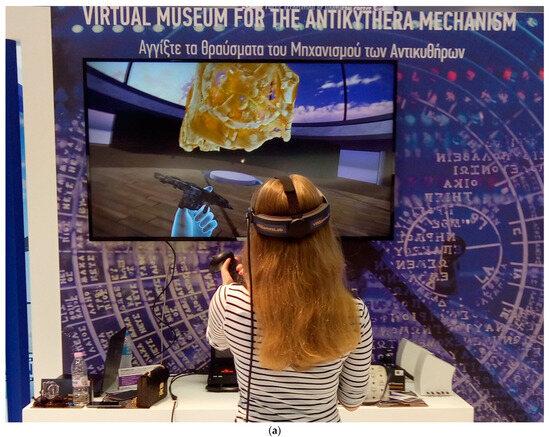
Integrating VR/AR into Curricula: Proven Strategies for Overcoming Common Challenges
The rapid evolution of Virtual Reality (VR) and Augmented Reality (AR) technologies has created unprecedented opportunities for innovation in education. As more schools and institutions explore integrating VR/AR into curricula, they discover interactive and immersive teaching methods that can boost student engagement, transform learning experiences, and build skills for the future.
Though, along with the promise, there are real challenges: from the need for practical strategies to overcome technical barriers, to finding cost-effective solutions, and preparing teachers to harness these game-changing tools. In this extensive guide, we’ll cover the benefits, share strategies to overcome common obstacles, and provide practical case studies to help you confidently embrace educational VR/AR integration.
Benefits of Integrating VR/AR into curricula for Modern Classrooms
- enhanced Engagement: VR/AR makes learning immersive and interactive, increasing student motivation and attention levels.
- Visualization of Complex Concepts: Abstract ideas in STEM, history, and arts become tangible through 3D models and simulations.
- Personalized Learning: Experiences can be tailored to individual needs and learning styles, supporting differentiated instruction.
- Safe Experiential Learning: Simulate labs,field trips,and hazardous scenarios without real-world risks or significant expense.
- Global Collaboration: Connects students with peers, experts, and cultures worldwide via virtual classrooms and AR projects.
Common Challenges When Integrating VR/AR into Education
Despite immense potential, educational institutions commonly face these barriers:
- High Initial Costs: Budget constraints can hinder the procurement of VR headsets, AR-enabled devices, and software licenses.
- Technical Complexity: Concerns over device compatibility,software support,and reliable network infrastructure.
- Lack of teacher Preparation: Inadequate training or lack of confidence in using VR/AR tools for curriculum delivery.
- Content Gaps: Limited ready-made, curriculum-aligned VR/AR content available in certain subject areas.
- Equity and Accessibility: Challenges ensuring equitable access for all students, including those with disabilities or limited internet connectivity.
Proven Strategies for Successful VR/AR Curriculum Integration
1. Start with Clear Educational Goals
-
Define outcomes: Identify specific learning objectives VR/AR can support (e.g., hands-on science labs, spatial reasoning in math, or ancient site tours).
-
Align with standards: Ensure experiences map directly to state or national curriculum standards.
2.Pilot with Scalable Solutions
-
Begin with small-scale pilots using affordable or existing devices (e.g., Google Cardboard, tablets with AR apps).
-
Gather feedback from students and teachers to assess impact and guide further investment.
3. Invest in Professional Progress
-
Provide hands-on workshops and ongoing support to equip teachers with VR/AR teaching strategies and classroom management tips.
-
Foster teacher champions who can mentor peers and drive adoption.
4. Prioritize Content Quality and Accessibility
-
Choose or develop curriculum-aligned VR/AR content.Collaborate with educational publishers or edtech startups.
-
Ensure resources comply with accessibility guidelines (WCAG), and offer alternative modes of access.
5. Build Infrastructure for Success
-
Audit your institution’s WiFi/network capabilities and plan for device management solutions.
-
Use cloud platforms and device-agnostic apps when possible to minimize technical issues.
6. Foster Inclusive and Equitable Adoption
-
Leverage shared device carts,after-school programs,or community partnerships to extend access to all students.
-
Monitor use to prevent digital divide and ensure no student is left behind.
Practical Tips for VR/AR Classroom Integration
- Start small: integrate short, easy-to-use experiences at first—like VR field trips or AR flashcards—before scaling up.
- Collaborate: Seek out teacher networks, online communities (like Edutopia or ISTE), or local universities with VR/AR initiatives.
- Involve students: Encourage student feedback, allow them to create VR/AR projects, and empower them as digital leaders.
- Emphasize safety: Educate users on best practices around device hygiene, eye strain, and cybersafety.
- Evaluate impact: Use pre/post assessments,surveys,and classroom observations to measure learning outcomes and refine your approach.
Real-World Case Studies of VR/AR integration in Education
Case Study 1: Transforming science Labs at a U.S. High School
At a Texas high school, a pilot program gave biology students Oculus headsets to perform virtual dissections. Teachers aligned the VR lab content with AP Biology standards. Results? Test scores and classroom engagement improved, and students who were previously squeamish or absent for physical dissections could participate equally.
Case Study 2: AR for Historical Site Exploration in Primary Schools
In the UK, Year 6 students used AR tablets to explore virtual overlays of Ancient Rome on their playgrounds. Teachers noted increased historical empathy and stronger retention of key facts compared to traditional textbook lessons.
Case Study 3: Global STEM collaboration via VR
An international school network in Asia leveraged VR platforms to connect classrooms in India and Japan for a joint engineering challenge. Students worked together on 3D projects in a shared virtual environment, improving cross-cultural communication and STEM problem-solving skills.
First-hand Teacher Perspectives on overcoming Challenges
“My advice for fellow educators is to start with curiosity, not perfection. The first time you bring VR or AR into lessons will be a learning curve for you and your students. But seeing their engagement is a game-changer. Don’t hesitate to reach out for support and embrace small wins.”
— Emily R., Middle School Science Teacher, NY
“Professional development made all the difference. After attending a summer workshop, I felt empowered to integrate AR into my geography curriculum. Now, students ‘visit’ global sites and create their own AR presentations.”
— David P., High School social Studies, California
Conclusion: The Future of Learning Is Immersive
Integrating VR/AR into education isn’t just about using the latest tech—it’s about reimagining what learning can be. While challenges like cost, technical complexity, and teacher readiness exist, proven strategies and real-world case studies show that solutions are well within reach. By starting with clear goals, investing in professional development, and fostering equity, schools can overcome barriers and pave the way for transformative, future-ready learning experiences.
The potential of VR/AR in education will continue to grow, driven by creative educators and empowered students. Now’s the time to explore,experiment,and evolve.The classroom of tomorrow is immersive, inclusive, and interactive—are you ready to lead the way?