
Integrating VR/AR into Education: Proven Strategies to Overcome Curriculum Challenges
Virtual Reality (VR) and Augmented Reality (AR) are revolutionizing the education landscape, offering immersive learning experiences that stretch beyond the limitations of traditional teaching methods. However, integrating VR/AR into educational curriculums presents its own set of challenges, from resource constraints to teacher preparedness. In this article, we’ll explore proven strategies for seamlessly adopting VR/AR in education, share real-world successes, and provide actionable tips that empower educators to navigate these hurdles confidently.
Why Integrate VR/AR Into Education?
With digital transformation accelerating across industries, educational institutions face mounting pressure to modernize their approaches. VR/AR technologies provide students with vivid, interactive learning environments, making abstract concepts tangible and engaging. Here are some compelling benefits of VR/AR in education:
- enhanced Engagement: Interactive 3D visualization increases student attention and motivation.
- Deeper Understanding: Complex topics become easier to grasp through immersive simulations.
- Active Learning: Students participate in hands-on activities, fostering critical thinking.
- Safe Experimentation: Risk-free environments for science labs,medical trainings,or historical events.
- Accessibility: Field trips, expensive equipment, or distant resources can be virtually experienced by all.
Despite these rich advantages, many education providers encounter curriculum integration challenges that can stall VR/AR adoption.
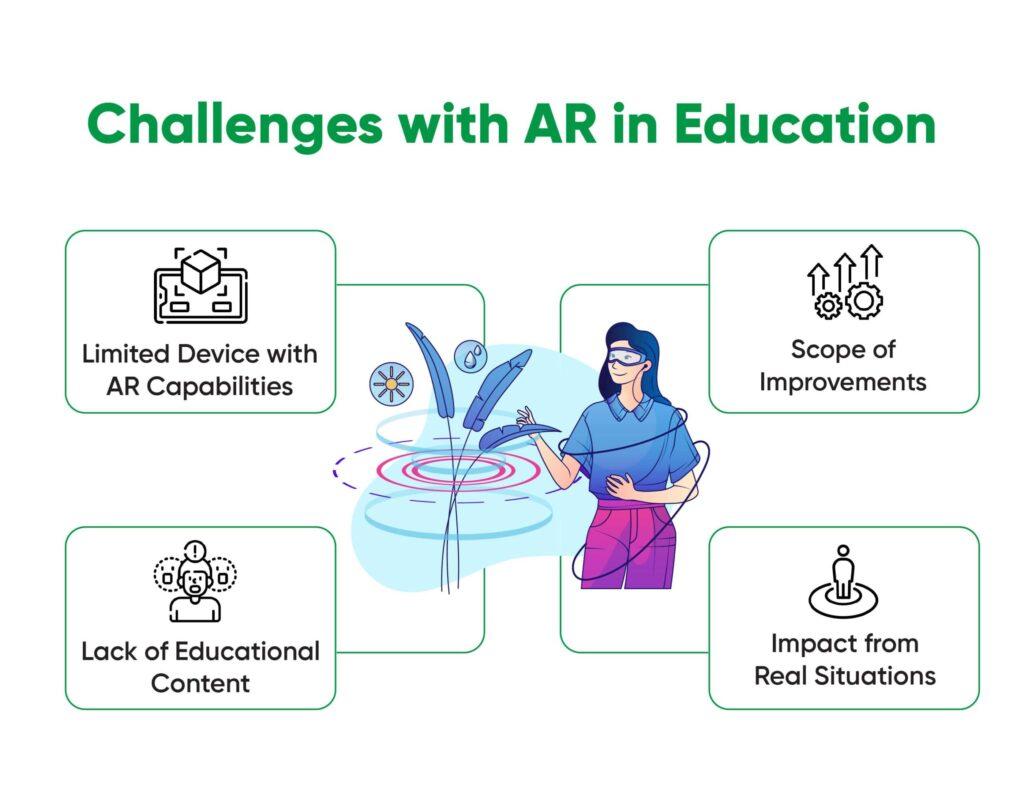
Common Curriculum Challenges When Integrating VR/AR
- Resource Limitations: High initial costs for hardware, software, and content progress.
- Teacher Training: Lack of expertise and confidence in using advanced technologies.
- Curriculum Alignment: Difficulty integrating VR/AR content with established learning objectives and standards.
- Technical Barriers: issues with device compatibility, networks, or classroom infrastructure.
- Assessment Methods: New forms of learning require creative, effective ways to measure student progress.
Proven Strategies to Overcome Curriculum Challenges
To ensure successful VR/AR integration in education, schools and institutions should pursue well-planned, adaptable strategies. Here are the most effective approaches:
1.Start Small: pilot Programs and Gradual Scaling
- Initiate with small groups or individual classes before rolling out across entire departments or schools.
- Gather feedback from teachers and learners to refine VR/AR content and teaching methods.
- Use pilot results to advocate for budget allocation and resource expansion.
2. Invest in Teacher Training and Support
- Create professional development workshops focused on VR/AR technology and pedagogy.
- Offer hands-on labs and demo lessons to build confidence.
- Develop a technology champion program—empowering tech-savvy teachers to mentor peers.
3. Collaborate With Content Developers and Industry Partners
- Partner with VR/AR startups or established edtech providers for curriculum-tailored content.
- Engage in co-creation—teachers work with developers to ensure materials meet learning goals.
- Leverage open-source or lower-cost VR/AR solutions to reduce financial strain.
4. align VR/AR Activities With Curriculum Objectives
- Map VR/AR experiences directly to state or national educational standards.
- Design lesson plans where immersive experiences complement—not replace—core teaching.
- Encourage interdisciplinary projects that blend science, history, arts, or mathematics through VR/AR.
5.Address Technical and Logistical Concerns
- Ensure adequate WiFi coverage and device support across school facilities.
- Organize dedicated spaces for VR/AR usage, such as virtual labs or media centers.
- Set up scheduled maintenance for hardware and software, minimizing downtime.
6.Develop Innovative Assessment Techniques
- Utilize project-based assessments where students demonstrate skills via VR/AR creations or simulations.
- incorporate formative assessments with in-app quizzes, reflection journals, or collaborative tasks.
- Turn analytics from VR/AR platforms into actionable insights on student progress.
Case Studies: Successful VR/AR Curriculum Integration
Case Study 1: Medical Training at Stanford University
Stanford’s school of Medicine implemented VR simulations for surgical training, allowing students to practice complex procedures risk-free. Not only did this strategy increase technical proficiency, but student confidence and outcomes improved dramatically. Faculty collaborated with VR developers and invested in continual professional training, ensuring curriculum alignment and seamless adoption.
Case Study 2: STEM Education in UK Secondary Schools
Several UK schools used AR apps to enhance physics and chemistry lessons. Students visualized atomic structures, conducted virtual labs, and engaged with interactive experiments—without handling dangerous materials. Challenges such as device cost were mitigated through grants and local buisness partnerships, while teachers received ongoing AR training.
Case Study 3: History Lessons with Immersive Storytelling
Schools in the U.S. employed VR field trips and historical simulations to bring past events to life. By enabling students to virtually walk through ancient cities or pivotal battlefields, engagement soared. Educators found success by integrating VR modules into broader projects and assessments, illustrating the value of mixing traditional instruction with new technology.
Practical Tips for Seamless VR/AR Integration
- Evolve Gradually: Test new technologies in one unit or module before scaling up.
- Seek funding: Apply for STEM or innovation grants, or partner with tech firms.
- Foster Inclusivity: Ensure VR/AR experiences are accessible to students with disabilities; opt for universal design.
- Encourage Collaboration: Embed group tasks and peer feedback into immersive activities.
- Monitor progress: Use analytics and feedback to guide improvements and adaptation.
- Maintain Engagement: Regularly update VR/AR content to keep learning fresh and relevant.
First-Hand Experiences: Educator Voices
“Using VR in my classroom transformed student participation.The excitement of a virtual field trip brought history alive, and gave every child a chance to experience places that would otherwise be out of reach.”
“training was key. The AR workshop gave me the tools I needed—now, I blend digital simulations with textbook learning for a richer, more interactive science curriculum.”
Conclusion: Future-Proofing Education With VR/AR
Integrating virtual reality and augmented reality into the curriculum isn’t merely about deploying the latest technology—it’s about enriching education, fostering creativity, and making learning accessible and exciting for all. While challenges exist, strategic planning, teacher training, and a commitment to curriculum alignment can ensure successful adoption. As technology continues to evolve, so too must our teaching methods. By embracing proven strategies and learning from pioneers in the field, schools can unlock the full potential of VR/AR and prepare students for a dynamic, interconnected future.
Ready to start your school’s VR/AR journey? Share your experiences and tips in the comments below—or reach out to discover how you can future-proof learning for every student.