
Learning Analytics Specialist: Key Skills, Roles, and Career Path Explained
In today’s evolving educational technology landscape, a Learning Analytics Specialist is a highly sought-after role within universities, colleges, and schools. If you’re passionate about merging data science wiht impactful educational outcomes, this career offers a compelling pathway. Whether you’re looking to shift into an EdTech job or ready to advance your analytics expertise in an academic setting, this complete guide will equip you with all you need to know about becoming a successful Learning Analytics Specialist.
What is a Learning Analytics Specialist?
A Learning Analytics Specialist leverages data-driven insights to enhance teaching, learning, and institutional effectiveness in educational settings. These professionals collect, analyze, and interpret data related to learner behaviors, performance metrics, instructional methods, and digital platforms. By transforming raw data into actionable intelligence, they help educators and administrators optimize curricula, support at-risk students, and drive evidence-based decisions in their institutions.
Key Responsibilities of a Learning Analytics Specialist
The specific duties of a Learning Analytics Specialist can vary based on the size and focus of the institution, but some core responsibilities consistently appear across most job descriptions:
- Data Collection and integration: Gathering student activity data from various learning management systems (LMS), assessment tools, and digital platforms.
- Data Cleaning and Preparation: Ensuring accuracy and consistency of data sets for reliable analysis.
- Analysis and Reporting: Using statistical and machine learning techniques to uncover trends, correlations, and patterns in learning data.
- Visualization: Creating intuitive dashboards and visual aids to translate complex data into understandable and actionable data for educators and administrators.
- Stakeholder Collaboration: Working closely with instructional designers, faculty, administrators, and IT professionals to align analytics initiatives with institutional goals.
- Predictive Analytics: Building models to predict student outcomes, retention risks, and potential interventions to improve learning experiences.
- Policy Advancement: Offering data-informed recommendations to shape teaching strategies, assessment methods, and institutional policies.
- Ethical Stewardship: Ensuring data privacy and ethical use of student information in compliance with legal and institutional standards.
Essential Skills for Learning Analytics Specialists
Educational institutions rely on experienced Learning analytics Specialists to turn data into actionable insights. Here are the technical and soft skills you’ll need:
Technical Skills
- Data Analysis & Statistics: Proficiency in descriptive and inferential statistics, hypothesis testing, and statistical modeling.
- Programming & Data Tools: Experience with languages such as Python, R, or SQL, and data visualization tools like tableau or Power BI.
- Learning Management Systems (LMS): Familiarity with platforms such as Canvas, Moodle, or Blackboard, and their reporting capabilities.
- Machine Learning & AI: Understanding predictive modeling techniques to identify at-risk learners or trends.
- Data Privacy & Security: Knowledge of FERPA, GDPR, and best practices for data protection in education.
Soft Skills
- Critical Thinking: Ability to interpret data with a strategic,problem-solving mindset.
- Communication: Effectively presenting findings to non-technical stakeholders, including faculty and administrators.
- Collaboration: Teamwork skills to work closely with educators, IT staff, and policy makers.
- Attention to Detail: Ensuring data accuracy and integrity across complex analysis tasks.
- Project Management: Leadership in organizing analytics initiatives from inception through implementation.
Typical Career Path and Growth Opportunities
Entering the field as a Learning Analytics Specialist opens numerous doors within both the education and technology sectors. Here’s a typical career trajectory:
- Entry-Level Roles: Begin as a Data Analyst, Research Assistant in Educational Data, or instructional technology support within a school or university.
- Specialist Positions: Advance to Learning analytics Specialist, Data Scientist in Education, or Academic technology Analyst roles with increased responsibility.
- Leadership & Administration: Progress into management positions such as Director of Learning Analytics, Head of Institutional Research, or EdTech Program Manager.
- Consultancy & Research: With experience, branches into consulting for educational institutions, government agencies, or EdTech startups, and participation in educational research projects.
This career path is often augmented with ongoing professional development, certifications in data analytics and educational technology, and involvement in industry organizations.
Benefits of Becoming a learning Analytics Specialist
- Impactful Work: Shape the future of education by improving student outcomes and supporting academic success at scale.
- Dynamic environment: Work in a fast-evolving sector that embraces innovation, technology, and data.
- Career Flexibility: Opportunities to work within K-12 schools,higher education,government,and private EdTech companies.
- competitive Salaries: Analytical and technical expertise are well-compensated within the education technology industry.
- Job Security: With increasing institutional focus on evidence-based decision-making and digital platforms, demand for analytics specialists continues to rise.
Practical Tips for Landing a Learning Analytics Specialist Job
If you’re looking to break into the field or accelerate your journey,consider these practical steps:
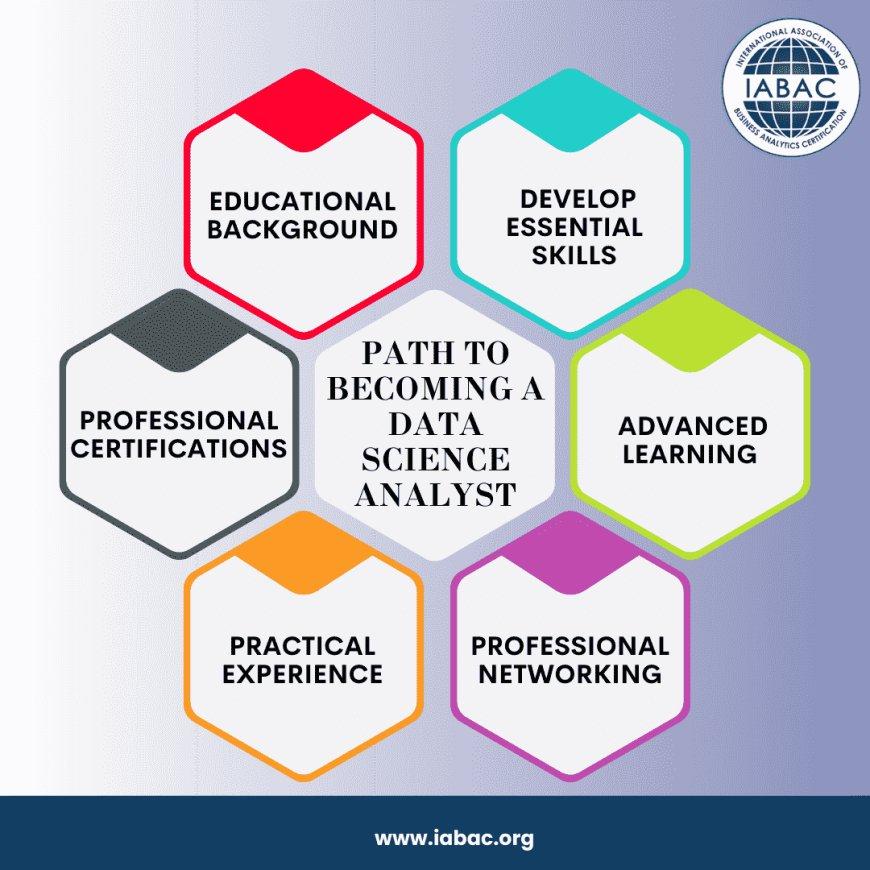
- Build a strong Foundation: Pursue a relevant degree in data science,educational technology,statistics,or computer science. Many roles also value educational backgrounds in psychology or pedagogy coupled with analytics training.
- Earn Certifications: Obtain certifications in analytics (Google data Analytics, Microsoft certified: Data Analyst Associate), machine learning, or EdTech tools.
- Develop a Data Portfolio: Showcase your skills with real-world projects that analyze education datasets or produce meaningful dashboards and reports. Hosting your work on GitHub or a personal website can make a big difference.
- Network Strategically: Attend EdTech conferences, participate in online communities, and connect with professionals in institutional research, instructional design, and education analytics.
- Stay Updated: The education technology field is rapidly evolving; stay informed on new analytical methods, emerging LMS features, and changing data privacy laws.
- Demonstrate Communication Abilities: Practice translating complex analysis into accessible recommendations for diverse audiences.
- Seek Relevant Experience: Volunteer or intern with school districts, research labs, or educational technology companies to build practical skills.
How to Stand Out as a Learning Analytics Specialist
to differentiate yourself in a competitive job market, consider these additional strategies:
- Customize Your Resume: Tailor each submission to showcase your education analytics expertise, highlighting relevant keywords from the job description such as “learning analytics,” “education data,” and “student success metrics.”
- Showcase Soft Skills: Employers value professionals who can bridge the gap between data science and pedagogy.demonstrate your ability to communicate insights and collaborate across departments.
- Highlight Impact: Include specific examples of how your analytics work improved instructional strategies, increased student engagement, or supported decision-making within previous institutions.
- Stay Ethical: Maintain awareness of data privacy laws and articulate a principled approach to handling sensitive student data.
Conclusion: Why Now is the Time to Pursue a Career as a Learning analytics Specialist
The role of Learning Analytics Specialist is central to the future of education technology at universities, colleges, and schools. As institutions increasingly depend on data to drive student success and innovate teaching methods, skilled analytics professionals are in high demand. By mastering the technical skills,embracing a culture of collaboration,and demonstrating a commitment to ethical data stewardship,you can play a pivotal role in shaping transformative learning experiences. Start building your foundation today, and position yourself at the forefront of educational innovation.