
Learning Content Developer: Key Skills, Career Paths, and How to Get Started
are you passionate about education and technology? Do you love creating digital learning materials that transform classroom experiences? If so, a career as a Learning Content Developer at a university, college, or school could be your ideal path. In this thorough guide, we’ll explore the role of a Learning Content Developer, outline the essential skills, discuss varied career trajectories, and provide actionable steps for breaking into the field. Whether you’re just starting out or looking to specialize, this article covers everything you need to know to succeed as a Learning Content Developer in education technology.
What is a Learning Content Developer?
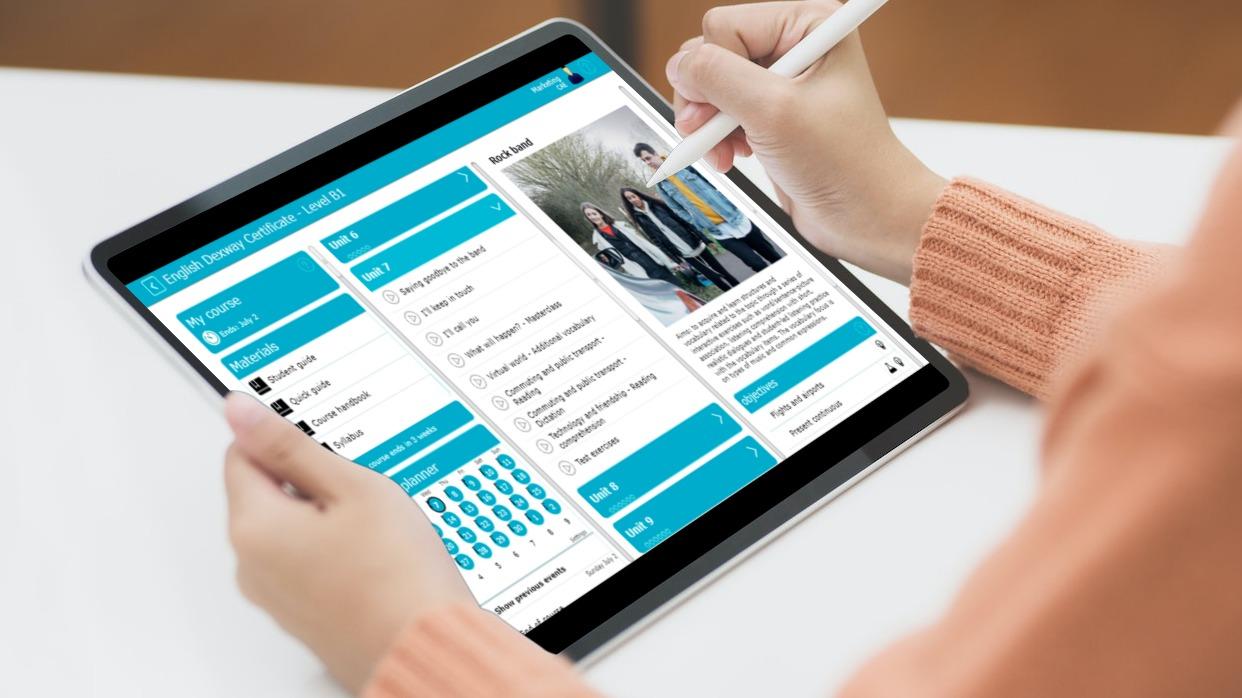
A Learning Content Developer is an education technology professional responsible for designing, creating, and managing interactive educational materials. These materials may include e-learning courses, online modules, multimedia presentations, instructional videos, assessments, and more. In universities, colleges, and schools, Learning Content Developers collaborate closely with faculty, instructional designers, and IT teams to enhance student engagement and learning outcomes through effective content creation.
Key Responsibilities
- Designing curriculum materials and digital learning resources
- Creating multimedia content (videos, interactive presentations, infographics)
- Collaborating with educators and subject matter experts
- Ensuring content aligns with educational standards and accessibility guidelines
- Implementing learning management systems (LMS) and e-learning platforms
- Evaluating and updating existing content based on learner feedback
Essential Skills for Learning Content Developers
success as a Learning Content Developer in education technology depends on a diverse skill set. Here’s a breakdown of the most sought-after abilities:
Instructional Design Expertise
- understanding of pedagogical theories and instructional methodologies
- Ability to translate academic concepts into engaging digital content
Technical Proficiency
- Familiarity with e-learning authoring tools (Articulate Storyline, Adobe Captivate, etc.)
- Basic knowledge of HTML, CSS, and online multimedia production
- Experiance with learning management systems (Moodle, Blackboard, Canvas)
Creative skills
- Graphic design skills for infographics and visual content
- Video editing and audio production capabilities
- ability to create interactive assessments and gamified content
Project Management & Collaboration
- Strong organizational and time management skills
- Effective dialog with faculty, IT, and other stakeholders
- Ability to manage multiple projects and deadlines concurrently
Knowledge of Accessibility & diversity
- Understanding of ADA, WCAG, and other accessibility standards
- Ability to create content for diverse learner profiles and needs
Career Paths in Learning Content advancement
A Learning content Developer role in education technology opens doors to a variety of career paths.Depending on your interests and experience, you can advance into positions like:
- Senior Learning Content Developer: Lead projects and mentor junior developers.
- Instructional Designer: Focus on the architecture of online courses and curriculum frameworks.
- e-Learning Project Manager: Oversee large-scale course development and implementation.
- EdTech Consultant: Provide strategic advice to schools and universities on content strategy.
- LMS Administrator: Manage technical backend and user experience of learning platforms.
Industry Sectors
Learning Content Developers can work across various sectors, including:
- Higher education (universities and colleges)
- K-12 schools and districts
- Corporate training departments
- Publishing and educational technology companies
Benefits of Becoming a Learning Content Developer in Education Technology
- Influence Education: Create content that directly impacts how students learn and engage with material.
- Career Versatility: Opportunities to specialize, move into management, or consult across industries.
- Creative satisfaction: Utilize both your technical and creative talents daily.
- Remote Work Options: Many universities, colleges, and schools now support remote roles for content developers.
- Continuous Learning: Stay updated with the latest trends in education technology and instructional design.
How to Get Started as a Learning Content Developer
1. Build Your Educational Foundation
- Earn a bachelor’s degree in education, instructional design, educational technology, multimedia production, or a related field.
- Consider obtaining a master’s degree for specialized roles in instructional design or EdTech leadership.
2. Develop Core Technical Skills
- Take online courses or certifications in e-learning software such as Articulate Storyline, Adobe Captivate, Camtasia, or similar.
- Get hands-on experience with learning management systems (LMS) favored by educational institutions.
- Practice creating multimedia content, including videos and interactive presentations.
3.Gain Experience Through Internships or Volunteer work
- Apply for internships at universities, colleges, or educational technology companies.
- Volunteer to create digital materials for local schools or nonprofit organizations, building a professional portfolio.
4. Build a Strong Portfolio
- Showcase samples of your learning content, including diverse formats and subject areas.
- Highlight case studies describing challenges faced and solutions implemented in your content creations.
5. Stay Current with Industry Trends
- Read education technology blogs and academic journals to stay updated.
- Participate in webinars, online workshops, and EdTech conferences.
- Network with other learning content developers for collaboration and knowledge sharing.
6.Apply for Entry-Level Positions in Education Technology
- Search for open roles like Learning Content Developer, Curriculum Designer, e-learning Specialist, or Digital Content Creator at universities, colleges, or schools.
- Tailor your resume and cover letter to highlight relevant skills, experience, and educational background.
practical Tips to Succeed as a Learning Content Developer
- Focus on User Experience: Always design content with the learner in mind—consider clarity,engagement,accessibility,and simplicity.
- Embrace Feedback: Regularly gather input from students and educators to refine your materials effectively.
- Master Collaboration: Build strong relationships with faculty members and IT teams to ensure technical excellence and pedagogical relevance.
- showcase Adaptability: Be ready to learn new technologies and adapt to changes in online education quickly.
- Measure Outcomes: Use analytics from LMS platforms to track learner performance and improve content accordingly.
Conclusion: Unlock Your Career in Learning content Development
Education is transforming rapidly with technology, and Learning Content Developers are at the forefront of this evolution in universities, colleges, and schools. By mastering instructional design, technical expertise, and creative skills, you’ll be equipped for a dynamic, rewarding career in education technology. Start by building your educational foundation, honing your skills, and developing a compelling portfolio. Whether you’re crafting engaging online courses or implementing innovative digital solutions, the opportunities for Learning Content Developers in the education sector are vast and growing.
if you’re ready to shape the future of learning, now is the perfect time to start your journey as a Learning Content Developer!