
Learning data Analyst Skills: A Step-by-Step Guide to Becoming a Data Analyst in Education Technology
Are you passionate about education technology and aspire to harness the power of educational data to drive impactful learning experiences? the role of a Learning Data Analyst is rapidly gaining importance at universities,colleges,and schools worldwide. In this thorough guide, you’ll discover everything you need to know to become a successful Data Analyst in the EdTech sector—including essential skills, practical steps, and insider tips to boost your career prospects in education technology.
Why Become a Learning Data Analyst in Education Technology?
The demand for skilled Learning Data Analysts has never been higher, thanks to the increased use of digital platforms in classrooms and the growing need to enhance student outcomes through data-driven decision making. As a Learning Data Analyst,you help educators and administrators interpret complex datasets,measure student progress,and make strategic improvements to curricula and teaching methods. Careers in education data analysis offer rewarding opportunities to make a real difference in how students learn and succeed.
Key Benefits of Working as a Learning Data Analyst
- Positive Impact: shape teaching strategies that improve student engagement and achievement.
- High Demand: EdTech jobs are soaring as more institutions invest in learning analytics.
- Intellectual Challenge: Work at the intersection of data science and educational theory.
- Career Growth: Progress to senior analytics or edtech management roles.
- Remote Flexibility: Many education technology jobs offer the option to work remotely or on campus.
What Does a Learning Data Analyst Do?
A Learning Data analyst collects, processes, and analyzes educational data to reveal actionable insights that improve teaching and learning. universities,colleges,and schools rely on these professionals to:
- Track student performance and retention rates.
- Identify trends in learning behaviors and outcomes.
- Inform decisions about digital curriculum design and delivery.
- Evaluate the effectiveness of educational interventions.
- Generate reports for faculty and administration using data visualization tools.
Essential Learning Data Analyst Skills
Mastering the right data analyst skills is crucial for securing a role in education technology. Here’s what you’ll need to excel:
Technical Skills
- Data analysis & Statistics: Be proficient in statistical methods and data interpretation to analyze learning outcomes.
- Programming Languages: familiarity with SQL, Python, or R is highly desirable for education data analysis.
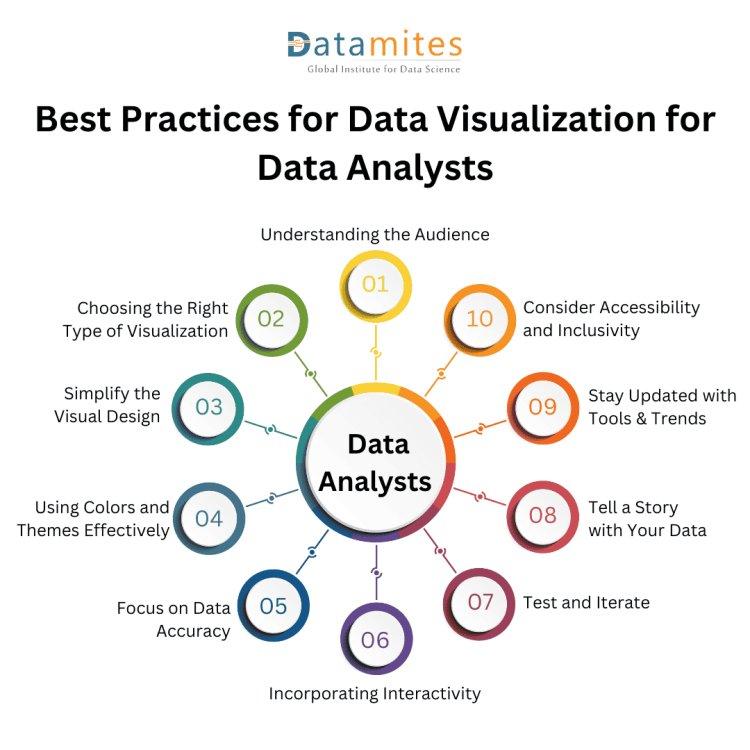
- Data Visualization: Use tools like Tableau, Power BI, or Excel to create clear, impactful charts and dashboards.
- Learning Management Systems (LMS): Experience with platforms like Canvas, Blackboard, or Moodle helps in accessing and analyzing student data.
- Data Cleaning & Readiness: Ensure the accuracy and reliability of educational datasets.
Analytical & Problem-solving Skills
- Critical thinking: Draw meaningful insights from complex and sometimes ambiguous education data.
- Experiment Design: Develop and analyze experiments to test new teaching methods or tools.
Interaction & Collaboration Skills
- Reporting: Translate intricate data findings into understandable language for non-technical stakeholders.
- Teamwork: Collaborate with educators, IT professionals, and administrators to implement data-driven strategies.
- Ethical Data Use: Maintain strict privacy standards and comply with data protection regulations such as FERPA.
Educational Requirements and Relevant Qualifications
Most roles for Learning Data Analysts in education technology require a solid academic foundation along with specialized skills:
- Bachelor’s Degree: Preferred backgrounds include Education, Data Science, Computer Science, Statistics, Mathematics, or Psychology.
- Master’s Degree (optional): advanced roles may require a master’s in Educational Technology, Learning Analytics, or a related field.
- Certifications: Earning certificates in data analytics, statistical analysis, or educational technology (from recognized institutions) can enhance your profile.
Step-by-Step Guide to Becoming a Learning Data Analyst in Education Technology
Here’s a structured pathway to help you break into this exciting field:
Step 1: Build a Strong Educational Foundation
- Complete a bachelor’s or master’s degree in a relevant subject.
- Take courses in statistics,research methods,programming,and education theory.
Step 2: Gain Hands-On Experience with Data Tools
- Practice using Excel for data analysis tasks and basic visualization.
- Learn at least one data programming language, such as Python or R.
- Get comfortable with data visualization tools (Tableau,Power BI) and Learning Management Systems (Canvas,Moodle).
Step 3: Develop Analytical and Research Skills
- Work on real or simulated education data projects to understand the process from data collection to reporting.
- Explore A/B testing, cohort analysis, and other research techniques commonly used in educational settings.
Step 4: Build a Professional Portfolio
- Create case studies or dashboards that showcase your ability to analyze learning data and make actionable recommendations.
- Compile sample reports, infographics, and code snippets in an online portfolio or personal website.
Step 5: Network and Seek internships in Education technology
- Apply for internships or volunteer at universities, colleges, or EdTech startups to gain practical experience.
- Join professional organizations or online communities focused on educational data analytics.
Step 6: Prepare for the Hiring Process
- Tailor your resume and cover letter to highlight relevant data analysis skills for education technology jobs.
- Practice responding to scenario-based questions during interviews—think about how you’d handle actual education data challenges.
- Showcase your ability to communicate technical findings to non-technical audiences such as professors or school administrators.
Practical Tips for Aspiring Learning Data Analysts
- Stay Updated: Follow the latest trends in EdTech, big data in education, and machine learning applications for learning analytics.
- Leverage Online resources: Use MOOCs, webinars, and online courses to supplement your learning and stay sharp.
- Improve Presentation Skills: Work on conveying data-driven insights visually and verbally—effective storytelling with data is essential in education.
- Emphasize Soft Skills: Building relationships and explaining findings effectively can be as importent as technical prowess.
- Understand Data Privacy: Be diligent about data security and student information protection in all your projects.
Common Career Paths and Advancement Opportunities
Once you’ve become a Learning Data Analyst in education technology, you’ll have access to various exciting career paths, including:
- Senior Data Analyst or Data Scientist
- Learning Analytics Manager
- Assessment & Evaluation specialist
- Education technology Consultant
- Director of Institutional Research
With experience, you might also branch into instructional design, educational research, or executive roles in school technology departments.
Conclusion: Start Your Journey as a learning Data Analyst
Becoming a Learning Data Analyst in education technology is an empowering career choice for those eager to shape the future of learning at universities, colleges, and schools. By cultivating the right data analyst skills, gaining practical experience, and staying dedicated to continuous learning, you can unlock a rewarding role at the heart of the EdTech revolution. Take your first step today, and be part of transforming education through the power of data-driven insights!