
Learning Data Analyst Skills: Essential Guide to Starting Your Data Analytics Career
As education technology continues to revolutionize schools, colleges, and universities, the role of the Learning Data Analyst has become critical. Data-driven decision-making is now at the heart of effective teaching, student success, and institutional efficiency.If you’re seeking to launch your data analytics career in the education sector, understanding the essential learning data analyst skills and how to develop them is an excellent first step. This guide explores the key competencies required, benefits of the profession, actionable tips for newcomers, and practical advice to thrive as a learning data analyst in education technology.
What Does a Learning Data analyst Do in Education Technology?
Learning data analysts work within universities, colleges, or schools to translate educational data into actionable insights that inform curriculum design, student support strategies, and operational improvements. With the proliferation of digital learning platforms, analysts are needed to interpret data from learning management systems, student assessments, attendance records, and more. Their recommendations help educators and administrators enhance teaching effectiveness and improve student outcomes.
Why Start a Data Analytics Career in education?
- Meaningful Impact: Shape the educational experiences of students and innovate learning methodologies.
- Growing Demand: As digital education technologies expand, so does the need for skilled data analysts in education.
- Dynamic work Habitat: Engage with faculty,administrative leaders,and technology professionals.
- Career Growth: Develop specialized analytics skills with strong applications in broader tech and education sectors.
Essential Learning Data Analyst Skills to Succeed
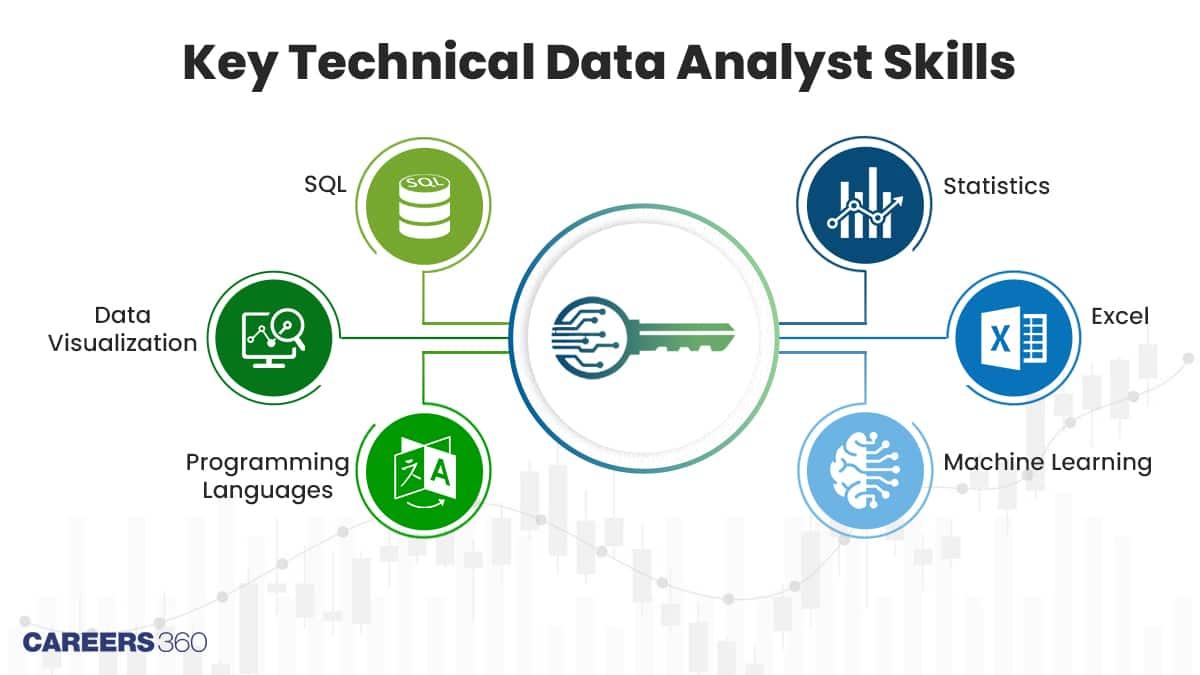
To stand out in learning data analyst roles, you need a blend of technical and soft skills. Here’s what top education institutions look for:
1. Data Collection & Data Management
- Proficiency in gathering data from diverse sources such as learning management systems, surveys, and institutional databases.
- Strong understanding of data cleaning, validation, and storage best practices.
2. Statistical Analysis & Data Interpretation
- Ability to apply descriptive and inferential statistics to analyze educational trends.
- Experience using tools like Excel, SPSS, or R for statistical computations.
3.Data Visualization
- Creating clear and insightful visualizations using tools such as Tableau, Power BI, or Google Data Studio.
- Translating complex data sets into actionable dashboards for non-technical stakeholders.
4. Educational Technology Acumen
- Familiarity with digital learning platforms, e-learning tools, and learning analytics frameworks.
- Awareness of data privacy laws (e.g., FERPA) affecting student data use in educational settings.
5. Problem-Solving & Critical Thinking
- Identifying trends, discrepancies, or gaps in learning data to inform interventions.
- Generating data-driven recommendations to improve teaching and learning outcomes.
6. Communication & Collaboration
- Presenting findings to educators, administrators, and stakeholders in a clear, compelling manner.
- Working effectively in teams with faculty, IT, and leadership to implement changes.
Steps to Start Your data Analytics Career in Education Technology
Whether you’re transitioning from another industry or launching your first career, here is a practical roadmap to becoming a learning data analyst in education:
- Obtain Relevant Qualifications: Consider degrees in statistics, data science, education, or computer science. Alternatively, enroll in targeted certificate programs focused on data analysis and educational technology.
- Build Technical Proficiency: Teach yourself key software tools (Excel, R, Python, Tableau). Many free and low-cost online resources are available for beginners.
- Understand Educational contexts: Gain familiarity with how universities, colleges, and schools use data to inform decision-making. Volunteering or internships can provide valuable insights.
- Create a Portfolio: Develop projects that showcase your analytics capabilities, such as analyzing student performance or attendance datasets.
- Network Within EdTech: Connect with education technology professionals at conferences, through online forums, or via social media platforms like LinkedIn.
- Stay Current on Trends: Regularly follow developments in data privacy, AI in education, and analytics best practices through journals and industry news.
Key Tools Every Learning Data Analyst Should Master
- Microsoft Excel: For data cleaning, pivot tables, and basic analytics.
- Statistical Tools: Use SPSS,R,or SAS for complex analyses.
- Data Visualization Platforms: Proficiency in Tableau or Power BI enhances your ability to share insights visually.
- LMS Data Reporting: Understanding how to extract and analyze data from major LMS systems such as Canvas, Blackboard, or Moodle.
- Database Management: Familiarity with SQL and basic database principles assists with data extraction and manipulation.
Benefits of pursuing a Learning data Analyst Career in Education
Embarking on a data analytics career in education technology is rewarding both professionally and personally. Here’s why:
- Positive Societal Impact: Your work contributes directly to improved learning outcomes and resource allocation.
- Problem-Solving Opportunities: Discover creative data-driven solutions to complex educational challenges.
- Job Security: As data-driven education becomes standard, skilled analysts are increasingly indispensable.
- Continual Learning: The ever-evolving education technology landscape ensures ongoing learning and skills enhancement.
Practical Tips for Job Seekers Entering the Field
- Highlight Transferable Skills: if coming from a different background, emphasize analytical skills, communication, and ability to learn new technologies.
- Show Commitment to the Education Mission: Employers value candidates passionate about student success and educational innovation.
- Prepare for Interviews: Be ready to discuss past data projects, explain your methodology, and communicate results to a non-technical audience.
- Pursue Certifications: Consider credentials like Google Data Analytics Certificate, Certified Analytics Professional (CAP), or specialized courses in learning analytics.
- Join professional Associations: Engage with bodies like the International Society for Technology in Education (ISTE) to access resources and job leads.
- Develop a learning Mindset: Stay curious and proactive about new analytics tools, education policies, and emerging data sources.
Common Career Paths and Progression
Your journey as a learning data analyst can open multiple career avenues, such as:
- senior Learning Data Analyst
- Learning analytics Manager
- Education Technology Consultant
- Academic Data Scientist
- Director of Institutional Research
With experience and continuing education, you can climb into leadership roles or diversify into related fields within EdTech or higher education management.
Conclusion: Your Next Steps Toward a Rewarding Data Analytics Career in EdTech
Launching your data analytics career as a learning data analyst in education technology offers exceptional opportunities to make a difference in students’ lives while advancing your professional aspirations. By mastering essential analytics skills, understanding the educational landscape, and persistently building your experience, you’ll be positioned to thrive in universities, colleges, or schools. Stay informed, stay curious, and let your passion for data-driven education be your guide. Start your journey today, and become a vital force in the ongoing transformation of learning through technology.