
Learning Experience Designer (LXD): Key Roles, Skills, and Career Path Explained
Are you passionate about education, technology, and shaping engaging learning environments? A career as a Learning Experience Designer (LXD) might potentially be a perfect fit. More educational institutions—including universities, colleges, and schools—are seeking skilled learning experience designers to create student-centered, technology-enhanced learning experiences. In this complete guide, you’ll discover what the LXD role involves, the essential skills needed, career prospects, and practical tips for job seekers looking to break into this rapidly growing field.
What is a learning Experience Designer?
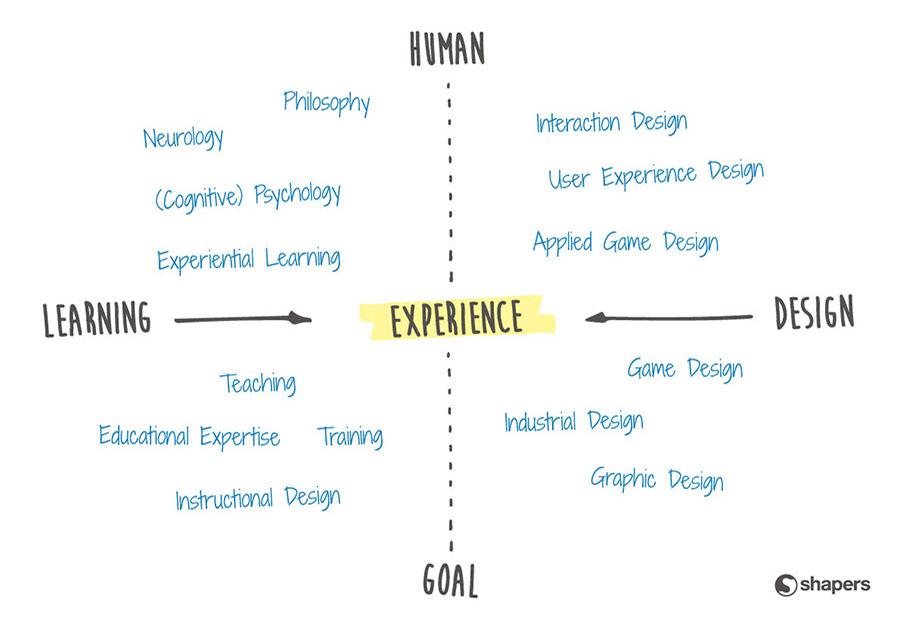
A Learning Experience Designer (LXD) is a professional focused on crafting meaningful, effective, and engaging learning environments using instructional design principles, user-centered design, and educational technology. Unlike conventional instructional designers, LXDs consider the holistic journey of the learner, integrating pedagogy, technology, and UX to create a seamless educational experience.
In the context of higher education and K-12, LXDs collaborate with faculty, educational technologists, and administrators to redesign courses, develop new curricula, and leverage digital tools that enhance student learning and success.
Key Roles and Responsibilities of a Learning Experience Designer
The role of an LXD is both creative and strategic. Understanding the specific Learning Experience Designer responsibilities will help you prepare for success. Common duties include:
- Curriculum Progress: Designing and mapping out course structures that align with learning outcomes and institutional goals.
- Instructional Design: Applying evidence-based instructional strategies and learning theories to develop engaging course materials, lesson plans, and assessments.
- Educational Technology Integration: Selecting and implementing digital tools (LMS platforms, interactive media, simulations, etc.) to enhance teaching and learning.
- Learner-Centered Design: Conducting learner analysis to tailor content and activities to diverse student backgrounds, learning preferences, and accessibility needs.
- Collaboration and Consultation: Working closely with faculty, subject matter experts, and IT teams to co-create innovative learning experiences.
- Usability Testing and Feedback: Gathering and analyzing learner feedback, assessing course data, and making data-driven improvements.
- Professional Development: Facilitating training sessions and supporting faculty adoption of new pedagogical approaches and technologies.
Essential Skills Required for Learning Experience Designers
To stand out in the competitive field of education technology jobs,aspiring LXDs should cultivate the following core skills:
- Instructional Design Expertise: Familiarity with ADDIE,SAM,backward design,and other instructional design models.
- Technology Proficiency: Experience using Learning Management Systems (LMS) like Canvas,Blackboard,or Moodle,and knowledge of educational apps,authoring tools (Articulate,Captivate,H5P),and media production.
- User Experience (UX) Design: Ability to apply UX principles to course navigation, content layout, and learner engagement.
- Assessment and Analytics: Skills in developing valid assessments and leveraging data analytics to measure learning effectiveness.
- Communication and collaboration: Strong interpersonal, written, and presentation skills for collaborating with diverse stakeholders.
- Project Management: Organizational skills to juggle multiple projects, set priorities, and meet deadlines.
- Creativity and Innovation: A growth mindset and openness to experimenting with new teaching modalities, technologies, and pedagogical approaches.
- Commitment to Accessibility and Inclusion: Ensuring all learning experiences meet accessibility standards (such as WCAG) and demonstrate cultural sensitivity.
Education and Qualifications
Many Learning Experience Designer positions in universities and colleges require:
- Bachelor’s or master’s degree in instructional design,educational technology,curriculum development,or a related field.
- Relevant certifications (e.g., ATD, ISTE, or Quality Matters) can enhance employability.
- Demonstrated experience in course design, notably with online or hybrid models.
- A portfolio showcasing previous design work, including storyboards, sample modules, and project outcomes, is highly recommended.
Learning Experience Designer Career Path
The LXD career path offers varied opportunities within educational institutions and the broader edtech industry.Here’s an overview of potential roles and advancement:
- Entry-Level: Instructional Designer,eLearning Developer,Learning Technologist
- Mid-Level: Learning Experience Designer,Senior Instructional Designer,Online Course Coordinator
- Advanced: Lead Learning Experience Designer,Director of Instructional Design,Manager of Learning Innovation
- Related Roles: Educational Technologist,Curriculum Specialist,Faculty Development Specialist,EdTech consultant
As you gain expertise,you may progress to leadership positions,manage project teams,or specialize in areas like gamification,AR/VR in education,or digital accessibility.
Benefits of Working as a Learning Experience Designer
Pursuing a career as an LXD in education technology delivers both personal and professional benefits:
- High Demand: The shift to online, blended, and hybrid learning models has created a strong job market for LXDs.
- Meaningful Impact: Shape educational journeys and directly contribute to student success.
- Intellectual Growth: Stay at the forefront of educational trends, pedagogy, and technology innovation.
- Flexible Work arrangements: Many LXDs benefit from remote or hybrid work options.
- Collaboration and Creativity: Work with diverse teams and have the opportunity to experiment with new ideas and tools.
Practical Tips for Aspiring Learning Experience Designers
Breaking into the field or advancing your LXD career requires intentional effort. Consider these actionable steps:
- Build a Strong Portfolio: Collect examples of curricular projects, digital resources, course modules, and any micro-credentials.
- Gain Hands-on Experience: Volunteer on curriculum committees, participate in instructional design internships, or support faculty training initiatives.
- Stay Current: Follow leading edtech blogs, attend webinars, and participate in professional groups (such as EDUCAUSE, ATD).
- Network Strategically: Connect with current LXDs, instructional designers, and educational technologists at local or virtual conferences.
- Develop Technical skills: Take up short courses or self-paced tutorials on LMS platforms, video editing, and eLearning authoring tools.
- Highlight Soft Skills: Emphasize communication, adaptability, and problem-solving skills in your resume and interviews.
- Understand the Audience: Research the institution and its learners to better tailor your request and showcase your fit.
Typical Work Environments and Job Outlook
Learning Experience Designers work across various educational settings:
- Universities and colleges
- Public and private K-12 schools
- Corporate training departments
- Non-profit educational organizations
- Edtech companies and publishing firms
Job prospects for LXDs remain strong, fueled by digital transformation, remote learning, and a greater focus on learner engagement and outcomes. With new instructional models emerging, the demand for skilled professionals to guide digital course creation and faculty training is expected to remain high.
Common Interview Questions for Learning Experience Designers
- Describe your approach to designing a new online course.
- How do you ensure accessibility in your learning designs?
- How do you collaborate with subject matter experts or faculty?
- Can you discuss a successful project and the impact on learners?
- What educational technologies do you have experience with?
Prepare thoughtful, specific examples when answering these questions to demonstrate your expertise and problem-solving abilities.
Conclusion: Your Future as a Learning Experience Designer in Education Technology
The Learning Experience Designer role is an exciting, fast-growing field combining education, technology, creativity, and human-centered design. By developing the essential skills, building a robust portfolio, and staying engaged with educational innovation, you’ll unlock fulfilling opportunities to make a difference at universities, colleges, and schools.Whether you’re entering education technology for the first time or advancing your instructional design career,now is a perfect time to pursue your passion as an LXD and help shape the future of learning.