
Learning Platform Administrator: Key Responsibilities, Skills, adn Career Path Explained
Are you interested in a dynamic career that combines technology and education? The role of a Learning Platform Administrator is rapidly gaining prominence in universities, colleges, and schools around the world. As education technology continues to transform how institutions deliver courses and engage students, the demand for professionals who can manage and optimize Learning Management Systems (LMS) has never been higher. If you’re passionate about EdTech and eager to play a vital part in modernizing education, this guide is for you. Read on as we delve into the responsibilities, essential skills, career outlook, and tips for becoming a prosperous Learning Platform Administrator.
What Is a Learning Platform Administrator?
A Learning Platform Administrator—sometimes known as an LMS Administrator or EdTech System Administrator—is responsible for configuring, managing, and supporting the digital tools and platforms that facilitate online learning and blended education environments. In universities, colleges, and K-12 schools, thes professionals ensure the smooth operation of learning management systems like Moodle, Blackboard, Canvas, or Google Classroom, among others.
With the ongoing shift toward digital education, Learning Platform Administrators play a crucial role in supporting teachers, enhancing the learning experience for students, and streamlining technological processes within educational institutions.
Key Responsibilities of a Learning Platform Administrator
The scope of a Learning Platform Administrator’s job is both broad and specialized. Below are the primary responsibilities associated with this vital EdTech role:
- platform Configuration and Setup: Installing, configuring, and customizing learning management systems to meet institutional requirements.
- User Management: Creating and maintaining user accounts,managing roles and permissions for students,instructors,and administrators.
- Technical Support: Providing ongoing technical assistance to faculty, staff, and students experiencing issues with access, navigation, or functionality.
- Course Management: Assisting educators in setting up, organizing, and updating course content, assignments, and assessments within the LMS.
- System Maintenance and Updates: ensuring the platform remains up-to-date with the latest features, security patches, and integrations.
- Data Security and Privacy: Safeguarding user data and ensuring compliance with privacy standards and regulations such as FERPA or GDPR.
- Analytics and Reporting: Generating reports on course participation, engagement metrics, and system usage to inform decision-making.
- Training and Documentation: Creating user guides, delivering workshops, and training sessions for staff and students to maximize effective use of the platform.
- Integration Management: Managing integrations with third-party tools, such as video conferencing software, plagiarism detectors, and academic resources.
- Problem Resolution: Troubleshooting technical issues, escalating to vendors when necessary, and ensuring timely resolution.
Essential Skills and Qualifications
Success as a Learning Platform Administrator hinges on a unique blend of technical, organizational, and interpersonal skills. Here’s what employers typically look for:
- Technical Proficiency: Familiarity with major learning management systems (LMS), basic knowledge of web technologies (HTML, CSS), and understanding of databases.
- Problem-Solving Abilities: Strong analytical skills to investigate issues and provide effective solutions promptly.
- Attention to Detail: Precision in managing user data, permissions, and system configurations.
- Interaction Skills: Ability to explain technical concepts to non-technical users and interact effectively with diverse stakeholders.
- organizational Skills: Managing multiple tasks, prioritizing support requests, and ensuring deadlines are met.
- Training and Instructional Skills: Experience designing and delivering training for educators and students.
- Data and Privacy Awareness: understanding of privacy laws and best practices in safeguarding sensitive information.
- Continuous Learning: Willingness to keep up-to-date with new technologies, software updates, and educational trends.
Educational Qualifications: A bachelor’s degree in information technology, computer science, instructional technology, or a related field is frequently enough preferred. However, relevant certifications in LMS platforms or practical experience can also be highly valuable.
Career Path and Advancement Opportunities
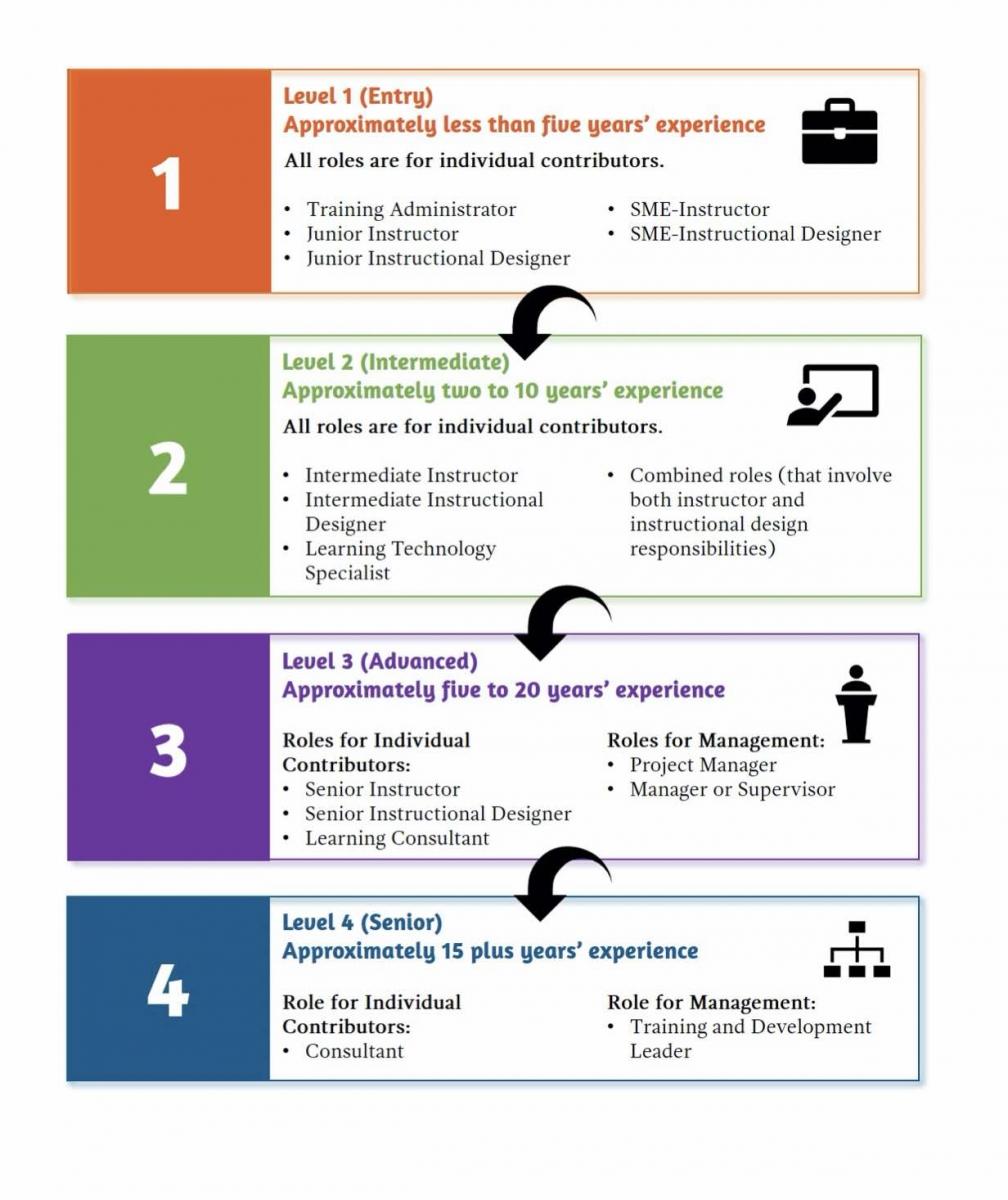
The Learning Platform Administrator position offers a promising career trajectory within education technology. Here’s how your career might develop:
- Entry-Level Roles: You may begin as a junior administrator, help desk support technician, or EdTech assistant, gaining hands-on experience with learning platforms.
- Mid-Level Positions: With proficiency and experience, you can become a senior LMS administrator, instructional technologist, or EdTech coordinator, taking on higher-level responsibilities or larger institutions.
- Specialization Opportunities: Some administrators choose to specialize in specific platforms (e.g., Canvas or Blackboard) or focus on areas such as data security, analytics, or instructional design.
- Leadership Roles: Long-term career growth could see you advancing to EdTech manager, director of educational technology, or chief information officer within the academic sector.
- Consultancy and Training: Some leverage their expertise to become independent consultants or trainers, helping organizations implement and make the most of LMS platforms.
The skills you develop in this role are highly transferable,opening doors to opportunities in corporate training,non-profit organizations,edtech companies,and beyond.
Benefits of Being a Learning Platform Administrator
Choosing a career as a Learning Platform Administrator comes with numerous advantages:
- High Demand: EdTech is a rapidly expanding field, ensuring steady demand for skilled professionals.
- Valuable Skillset: You’ll gain expertise in both IT and education, highly sought after across various industries.
- Opportunities for Growth: Continuous advancements in education technology offer countless avenues for professional advancement.
- Meaningful Impact: You’ll play a direct role in enhancing educational outcomes and supporting lifelong learning.
- Varied Work Surroundings: Each day brings new challenges, from technical troubleshooting to training educators, ensuring an engaging work experience.
- Remote Work Potential: Manny responsibilities, such as platform management and technical support, can be completed remotely, offering flexibility.
Practical Tips for Aspiring Learning Platform administrators
Ready to start your journey as a Learning Platform Administrator? Here are some actionable tips to help you launch and advance your career in EdTech:
- Familiarize yourself with Leading LMS Platforms: Gain hands-on experience with platforms like Moodle,Blackboard,Canvas,or Google Classroom through free demos or open-source versions.
- Pursue Relevant certifications: Obtain certifications in popular learning management systems or related fields to boost your credibility with employers.
- Develop Your Technical Skills: Brush up on basic programming, networking, and database management to strengthen your technical foundation.
- Volunteer or Intern: offer your services to local schools, colleges, or nonprofit organizations to build practical experience and expand your professional network.
- Stay Updated on EdTech Trends: Subscribe to industry newsletters, join professional associations, and participate in webinars to keep pace with emerging technologies and best practices.
- Hone Your Soft Skills: Develop strong communication, collaboration, and organizational skills, all of which are indispensable for success in this role.
- Document Your achievements: Keep detailed records of projects, resolved issues, and successful platform rollouts to enhance your resume and job applications.
Conclusion
The role of a Learning Platform Administrator is essential for universities, colleges, and schools embracing the digital conversion of education. As a bridge between technology and pedagogy, you’ll empower educators, support students, and ensure the seamless operation of critical teaching tools. With high demand, diverse career paths, and the chance to make a lasting impact in education, this is an excellent choice for tech-savvy professionals who want to shape the future of learning. Whether you’re transitioning from IT, starting your EdTech journey, or seeking new challenges in education technology, now is the perfect time to embark on a rewarding career as a Learning Platform Administrator.