
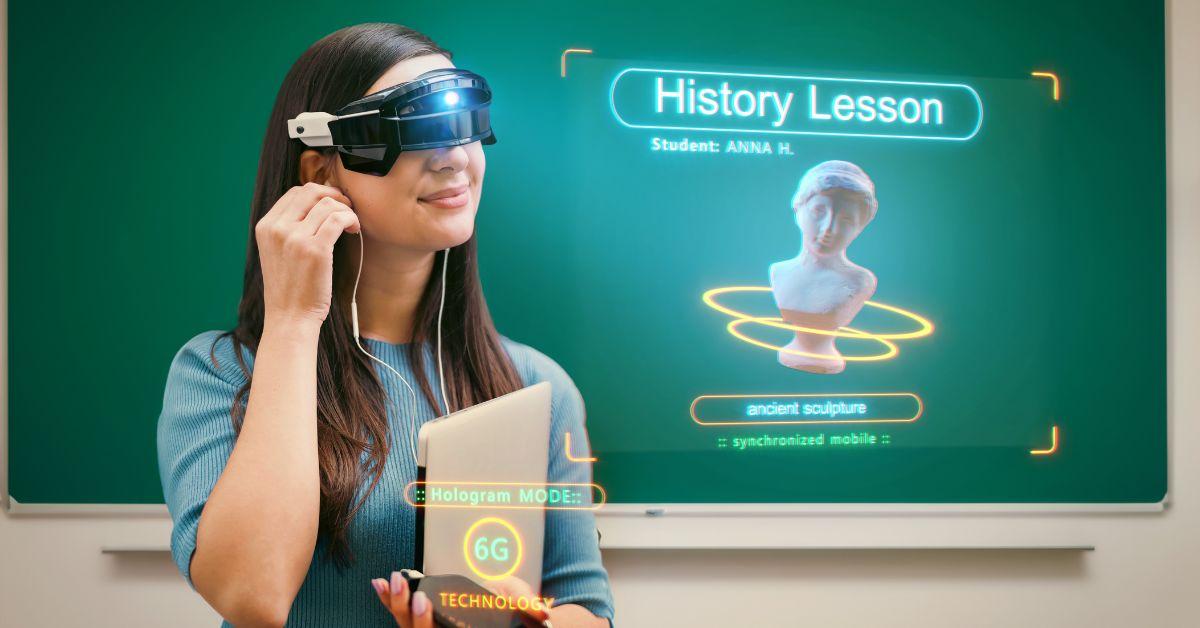
Mastering Classroom Innovation: Effective Training strategies for Teachers Using VR/AR tools
In today’s tech-driven world, classroom innovation is rapidly evolving—especially with the rise of Virtual Reality (VR) and Augmented Reality (AR) education tools. These cutting-edge resources have the potential to revolutionize learning,boost student engagement,and foster creativity. But for schools to reap these benefits, teachers must be equipped with effective training strategies to confidently use VR and AR in the classroom.In this comprehensive guide, we reveal practical approaches and proven tips for mastering VR/AR technology, ensuring teachers can lead the way in immersive education.
Why VR and AR Tools are Transforming Classrooms
VR and AR in education open up new avenues for interactive and experiential learning. Here’s why integrating these technologies is becoming a vital aspect of modern classroom innovation:
- Enhanced Engagement: Immersive lessons capture students’ attention and motivation.
- Deeper Understanding: Complex concepts become tangible and easier to comprehend through visualization.
- Personalization: Tailored experiences cater to diverse learning styles and needs.
- Global Access: Students can take virtual field trips, explore past events, or conduct science experiments beyond the classroom walls.
However,before teachers can unlock the full power of these tools,they need well-structured training programs and ongoing support.
Effective Training Strategies for Teachers Using VR/AR
Implementing innovative technology in education starts with comprehensive teacher training. Here are essential strategies for preparing educators to make the most of VR and AR in the classroom:
1. Hands-on workshops and Professional Development Sessions
- Interactive Workshops: Regular in-person or virtual sessions provide opportunities for teachers to experience VR/AR firsthand and practice using the tools in a safe surroundings.
- Demonstration Lessons: By observing expert-led lessons, teachers can see effective classroom applications and teaching methods using VR and AR.
- Peer Collaboration: Encouraging group projects and sharing best practices helps educators learn from one another.
2. Structured Online Training Courses
- Offer self-paced, modular courses covering a range of VR and AR applications, from lesson planning to troubleshooting.
- Incorporate tutorial videos, quizzes, and micro-credentials to track progress and build confidence.
3. Ongoing Mentorship and Support Systems
- Pair less experienced teachers with VR/AR champions or tech coaches for continuous guidance.
- Set up dedicated help desks, forums, or chat groups for real-time troubleshooting and idea exchange.
4. Curriculum Integration and Lesson Planning
- Develop curriculum maps that highlight where VR/AR can best enhance learning objectives.
- Provide templates and lesson samples tailored to specific subjects and grade levels.
5. Foster a Safe and Inclusive Learning Environment
- Train teachers on digital safety, classroom management, and accessibility considerations unique to immersive technologies.
- Include guidelines for accommodating students with special needs in VR/AR activities.
Key Benefits of Effective VR/AR teacher Training
Investing in robust training for educators yields lasting benefits for teachers, students, and schools:
- Confidence and Competence: Teachers become more cozy leveraging VR/AR, leading to richer, more engaging lessons.
- Digital Literacy: Building 21st-century teaching skills empowers educators to adapt to future technological advances.
- Improved Student Outcomes: Well-trained teachers can effectively integrate cutting-edge resources, boosting student achievement and participation.
- Collaborative Culture: Shared learning journeys foster stronger teacher communities and encourage continuous innovation.
Practical Tips for Mastering VR/AR in the Classroom
For teachers ready to embrace classroom innovation, these practical tips will ensure a smoother VR/AR adoption:
- Start Small: Pilot a single lesson or activity before scaling up. This allows time to get comfortable and gather feedback.
- Stay Updated: Keep up with the latest VR/AR tools, resources, and teaching strategies via webinars, online communities, and educational conferences.
- Prioritize accessibility: Ensure all students, including those with disabilities, can participate in immersive lessons.
- Encourage Student Input: Let students help design activities or provide feedback to make experiences more meaningful.
- Document and Reflect: Keep a teaching journal to record successes, challenges, and new ideas for future improvements.
Case Studies: VR/AR in Action
Let’s explore real-world examples that highlight how effective training transforms classrooms with VR and AR:
case Study 1: Virtual Biology Labs in High School
A public high school rolled out a VR-based biology curriculum to give students access to safe, interactive lab experiences. Through hands-on professional development sessions and video tutorials, teachers learned to set up VR equipment, guide student exploration, and facilitate post-lab discussions.The result? Students showed a 20% advancement in concept retention and expressed higher enthusiasm for science.
Case Study 2: Augmented Reality Field Trips in Elementary Education
An elementary school integrated AR-enabled tablets into social studies lessons, enabling students to explore historical landmarks and geography in three dimensions. Teachers benefited from regular workshops and a peer mentorship program, which helped them confidently embed AR activities into their lesson plans. Feedback revealed increased student engagement and deeper understanding of lesson content.
Firsthand Experience: Teacher Voices
“when I first tried VR in my classroom, I was nervous. But after attending our district’s training and connecting with a mentor, I saw how easily VR could bring abstract concepts to life. Now, my students ask for VR lessons and are more enthusiastic than ever.”
— Ms. Lindsay, Middle School math Teacher
“The most valuable training was hands-on. The workshops and lesson templates made AR integration simple. I’m amazed at how empowered both I and my students feel.”
— Mr. Reyes, Fifth Grade Teacher
Conclusion: Empowering Teachers for Future-Ready Classrooms
Mastering classroom innovation through VR and AR tools is transforming the educational landscape. With effective training strategies, teachers can confidently create dynamic, immersive learning environments that captivate and inspire students.The key lies in ongoing professional development, collaborative support, and a willingness to experiment. By investing in teacher training for VR and AR, schools pave the way for future-ready classrooms—where technology fuels curiosity, creativity, and deeper understanding.
Ready to bring VR and AR innovation to your classroom? Start with robust training, harness the power of community, and watch your students’ learning journeys soar beyond creativity.