
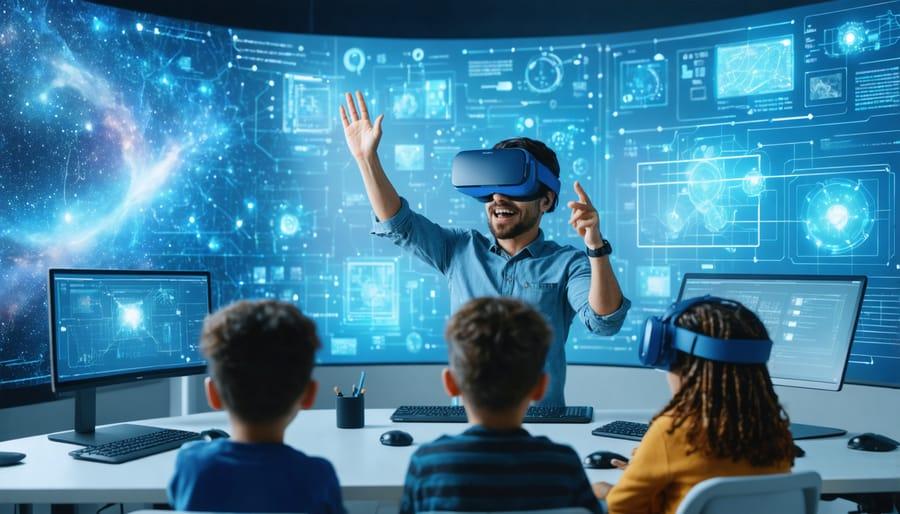
Mastering Classroom tech: Effective Training Strategies for Teachers Using VR/AR Tools
Keyword Focus: classroom technology, VR/AR training, teacher professional development, educational technology integration
Introduction: Embracing the Future of Classroom Technology
The digital revolution is transforming classrooms worldwide—gone are the days of chalkboards and overhead projectors. Today, immersive technologies like Virtual Reality (VR) and Augmented Reality (AR) are taking center stage, energizing lessons and captivating young minds. But as powerful as these tools are,their impact depends on how well educators can leverage them. Mastering classroom tech is no longer optional—it’s an essential skill for every teacher who wants to foster curiosity,active learning,and real-world understanding.
If you’re ready to learn about effective training strategies for teachers using VR/AR tools, this article will guide you every step of the way, from foundational concepts to practical tips for seamless technology integration in your classroom.
The Power of VR/AR in the Modern Classroom
Before diving into training strategies, it’s crucial to understand what makes VR and AR so revolutionary in education. Here are some of the top benefits of VR/AR in teaching:
- Enhanced Engagement: Immersive experiences make abstract concepts tangible and attention-grabbing.
- Deeper Understanding: Students can explore 3D models, visit historical sites, or conduct science experiments virtually.
- Personalized Learning Paths: VR/AR tools adapt to various learning styles and pace.
- Immediate Feedback: Interactive simulations provide instant assessment and growth opportunities.
- Safe Experimentation: Risk-free environments for hazardous or costly experiments or real-world scenarios.
The challenge? Making the leap from conventional methods to this new ecosystem requires support, training, and a willingness to experiment.
Understanding the Barriers: Why Training Matters
Despite its transformative potential, integrating VR/AR technology in the classroom isn’t always smooth sailing. Common obstacles include:
- Lack of Confidence: Teachers unsure of how to operate new equipment or software.
- Insufficient Support: Need for ongoing professional development and troubleshooting resources.
- Curriculum Alignment: Difficulty weaving VR/AR into existing lesson plans.
- Resource Constraints: Limited access to headsets, devices, or high-speed internet.
This is why effective VR/AR training strategies are so vital—they empower educators to overcome challenges and harness technology’s full potential.
Key Training Strategies for Teachers: Building VR/AR Fluency
Ready to foster tech-savvy educators? Here are time-tested, research-backed strategies for building teacher comfort and competence with immersive classroom technology.
1. Start with the Basics: Foundational Workshops
- Introduction to Devices: Hands-on sessions with headsets, controllers, and AR-enabled tablets or phones.
- Software familiarity: Exploring a few popular educational VR/AR apps, such as Google Expeditions or Matterport.
- Safety and Setup: Guidance on health, safety, and technical setup protocols.
2. Scaffolded Learning: Incremental Skill Building
- Step-by-Step Tutorials: Bite-sized lessons focusing on one feature or activity at a time.
- Guided Practice Sessions: Teachers collaborate in pairs or small groups to build confidence.
3. Integration into Curriculum
- Lesson Plan Adaptation: Workshops on adapting existing lessons to incorporate VR/AR objectives.
- Subject-Specific Use cases: Science experiments, virtual field trips in history, or 3D geometry in math.
4. Peer-Led Learning Communities
- Mentorship Programs: Tech-savvy teachers mentor colleagues in informal settings.
- Regular Meetups: Scheduled sessions to share wins, discuss problems, and brainstorm ideas.
5. Ongoing Professional Development
- Online Courses: Self-paced modules and certifications—look for options from edX or Coursera.
- Webinars and Guest Speakers: Staying up-to-date with the latest VR/AR educational trends.
Best Practices for Successful VR/AR Integration
- Start Small & Scale Up: Pilot one project or lesson before school-wide rollout.
- Collect Feedback: Regularly seek input from students and staff to refine approaches.
- Document & Share: Build a shared resource hub (lesson plans, troubleshooting guides, FAQs).
- Ensure Accessibility: Accommodate all students—including those with sensory or mobility needs.
- Set Clear Learning Goals: Use technology to enhance outcomes, not just for novelty.
Case Studies: Effective VR/AR Training in Action
Practical examples illuminate how schools worldwide are making immersive learning work:
Faced with low engagement in biology, teachers used VR headsets to take students on a virtual “journey through the human body.” Staff underwent a two-day workshop led by local university experts, combining equipment demonstrations and lesson co-design.Outcomes: Notable uptick in test scores and student engagement.
A tech integration specialist launched a year-long AR mentorship program. Teachers collaborated in subject teams, piloting AR activities and meeting monthly to share successes and troubleshoot. The collaborative training model helped all staff become cozy with troubleshooting, customization, and lesson alignment.
Firsthand Perspective: A Teacher’s journey
“When our district rolled out AR tablets, I was nervous. But after attending a hands-on workshop where we walked through creating a 3D model for a history lesson,the excitement took over. Working alongside my peers and seeing immediate student engagement made the challenge worthwhile. Now, I regularly collaborate with other teachers, and our school even hosts monthly ‘Tech in Action’ sessions to keep our momentum going.”
– Jenna L., Elementary Educator
Practical Tips: Getting Started with Classroom VR/AR
- Assess Your Tech Inventory: Know your available headsets, AR-capable devices, and connectivity.
- Pilot During “Tech Weeks”: Dedicate specific periods for experimentation and reflection.
- Curate kid-Safe, Age-Appropriate Content: ensure all platforms comply with privacy laws and are aligned with standards.
- Leverage Student Ambassadors: Recruit tech-savvy students to offer support.
- Join Online EdTech Forums: Share insights and learn from global peers on platforms like Edutopia and Microsoft Educator Center.
Conclusion: The Path to Tech-savvy Classrooms
Mastering classroom technology isn’t an overnight endeavor—it’s a journey of growth,experimentation,and collaboration.With the right training strategies for teachers using VR/AR tools, schools can unlock unparalleled possibilities for student engagement and deep learning.Invest in professional development, nurture a culture of peer support, start small, and celebrate the milestones along the way. The classroom of the future is already here—empower yourself and your students to thrive in it.
Are you ready to take the next step in classroom tech mastery? Begin your VR/AR training journey today—and watch your classroom transform!