
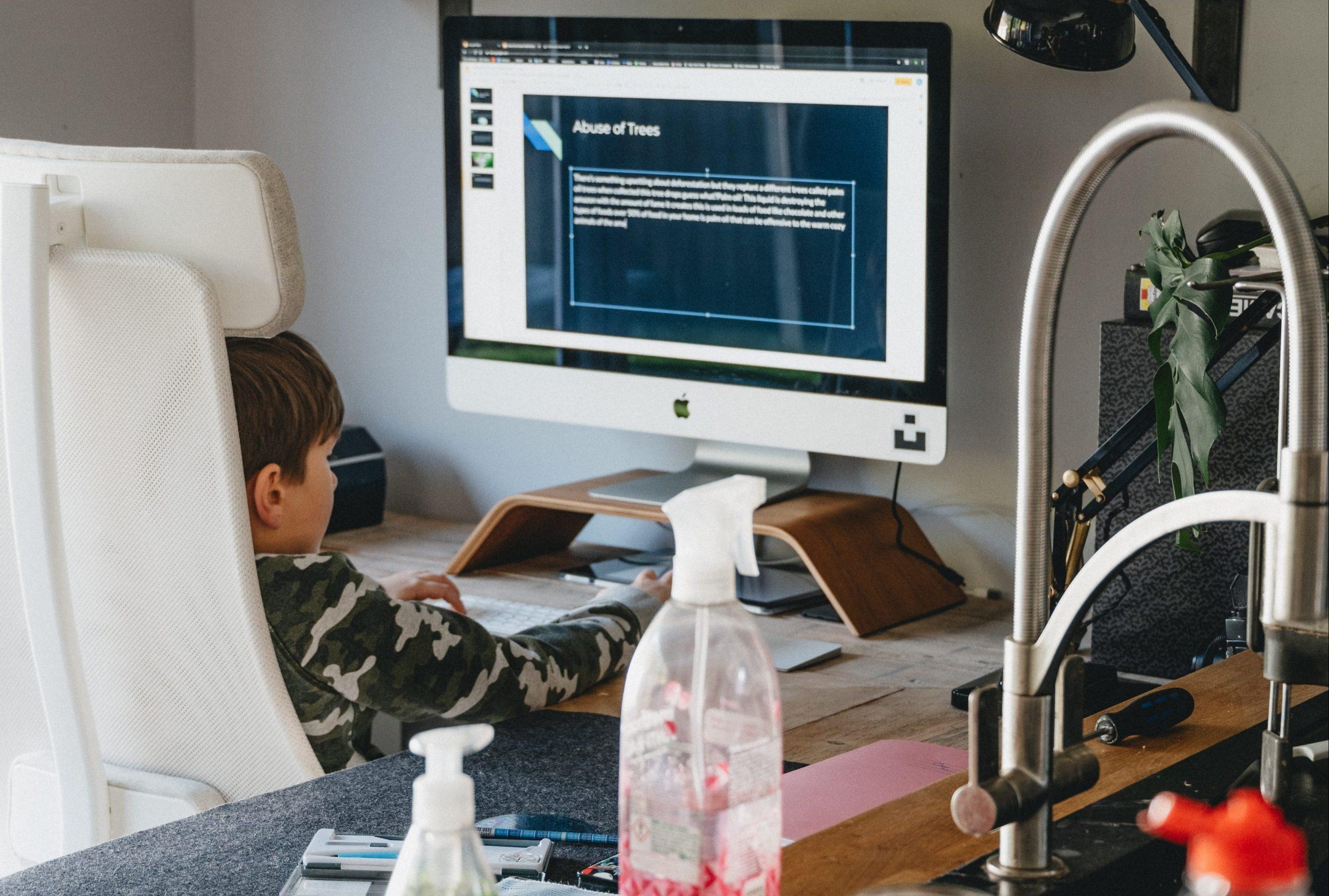
Mastering Data Privacy in EdTech: Essential Strategies for Educators and Schools
In today’s digitally-driven classrooms, educational technology (EdTech) sits at the heart of learning innovation.While these tools enhance learning experiences, they bring new complexities in student data privacy. Understanding how too effectively safeguard sensitive information isn’t just a compliance issue—it’s crucial for building trust and fostering a safe learning environment. In this complete guide, we’ll explore practical, effective strategies for mastering data privacy in edtech, tailored specifically for educators and schools.
Why Data Privacy Matters in EdTech
EdTech platforms collect and process vast amounts of student data—from names and contact details to academic records and behavioral analytics. Mishandling or unauthorized access can expose students to risks such as identity theft, cyberbullying, and privacy violations. Furthermore, educational institutions must comply with regulations like FERPA (Family Educational Rights and Privacy Act), COPPA (Children’s Online privacy Protection Act), and, for global organizations, the GDPR (General Data Protection Regulation).
- Trust Building: Students and parents are more likely to embrace technology when they know their data is safeguarded.
- Regulatory Compliance: Avoid hefty fines and reputational damage by adhering to privacy laws.
- Safe Learning Environment: Protecting data creates a culture of safety,allowing students to learn free from data misuse concerns.
Key Challenges in EdTech Data Privacy
before focusing on strategies, let’s identify the main challenges educators and school administrators face:
- Lack of Awareness: Many educators aren’t fully aware of the scope and implications of student data sharing.
- Complex EdTech Ecosystems: Modern classrooms frequently enough use multiple applications that exchange data, increasing the risk of leaks.
- Inconsistent Policies: Varying privacy policies among EdTech vendors can cause confusion over data responsibilities.
- Resource Constraints: Smaller schools may lack dedicated IT or legal staff for privacy oversight.
Essential Strategies to Master data Privacy in EdTech
Effective data privacy in EdTech requires a holistic, multifaceted approach. Here are the most crucial strategies:
1.educate and Train Staff Regularly
- Provide ongoing professional development on data privacy laws and best practices.
- Run workshops on identifying phishing attempts and secure password creation.
- Ensure all staff understand what data is collected and with whom it is shared.
2. Audit and Map Student Data Flows
- Identify every point where student data is collected, stored, or transmitted.
- Use data mapping tools to chart data flows across platforms and vendors.
- Restrict unnecessary collection—collect only data essential for educational purposes.
3. choose Privacy-Focused EdTech Solutions
- Vet vendors thoroughly for compliance with FERPA,COPPA,and relevant local laws.
- Check for obvious privacy policies, data encryption, and security certifications.
- Prioritize tools that offer parental controls and granular permission settings.
4. Obtain informed Consent from Parents and Guardians
- Draft clear, concise consent forms outlining what data will be collected and why.
- Offer parents the option to opt-in or out of specific applications or services.
- Regularly update families on any changes to data collection policies.
5. Implement Robust Data Security Protocols
- Adopt strong encryption both in transit and at rest.
- Ensure multi-factor authentication (MFA) for educator and admin accounts.
- Regularly update and patch all systems and applications.
- back up data securely and have a clear disaster recovery plan.
6. Create a Comprehensive Privacy Policy
- Develop a school-wide data privacy policy in clear, jargon-free language.
- Make this policy easily accessible on your school website.
- Ensure the policy covers data collection, sharing, retention, and deletion practices.
7. Monitor, Report, and Respond to Data Breaches
- Set up procedures for detecting and reporting any data breaches.
- Inform affected parties promptly in the event of a breach.
- Conduct post-breach reviews to strengthen future resilience.
Benefits of Prioritizing Data Privacy in Education
- Enhanced Student Safety: Mitigates risks such as cyberbullying and identity theft.
- Hassle-Free Compliance: Reduces administrative burden and legal exposure.
- Parental Peace of Mind: Builds trust with families through transparent data practices.
- Support for Digital Citizenship: Reinforces the importance of privacy as a digital life skill for students.
Practical Tips for Day-to-Day Data Privacy
Data privacy isn’t a one-time task—it’s a daily discipline. Here are everyday steps educators and school IT teams can implement:
- Use Strong Passwords: Encourage unique passwords and prohibit password sharing between staff and students.
- log Out from Shared Devices: Ensure accounts are always logged out, especially on public or shared computers.
- Limit Device Access: Restrict use of personal devices for school work unless they meet security standards.
- Stay Current: subscribe to newsletters and security alerts relevant to education technology.
- Encourage Open Interaction: Foster a culture where students report suspicious activity or privacy concerns without fear.
Case Study: Implementing Data Privacy in a Modern School
Let’s consider Lincoln Elementary School, which faced issues when a popular math app shared student data with third-party advertisers. By auditing their EdTech stack, switching to a vetted platform, and issuing clear consent forms to parents, Lincoln Elementary restored community trust and was commended for its transparent practices. Their experience demonstrates that prioritizing privacy not only avoids regulatory scrutiny but also strengthens school-home partnerships.
First-Hand Experience: Teacher’s Viewpoint on Data Privacy
“Understanding what apps I can safely use has given me confidence. Our district’s regular privacy training means I know exactly how student data is protected, and parents now ask active questions on privacy during conferences—proving they value our efforts.”
– Mrs. Anne Robins, 4th Grade Teacher
Legal Compliance Checklist for Schools
- Review and update contracts with all EdTech vendors annually.
- Keep documentation of all consents and data usage disclosures.
- Conduct regular privacy and security audits.
- Assign a designated data protection officer or privacy point-of-contact.
Conclusion: Build a Culture of Data Privacy in Education
Mastering data privacy in EdTech isn’t just about ticking boxes for compliance—it’s a core responsibility for every educator and school leader. With the growth of digital learning, embedding robust data privacy practices ensures safer learning environments and healthier school communities. By staying informed, adopting the right tools, and building transparent relationships with families and students, educational institutions can confidently harness the power of EdTech while upholding the highest privacy standards.