
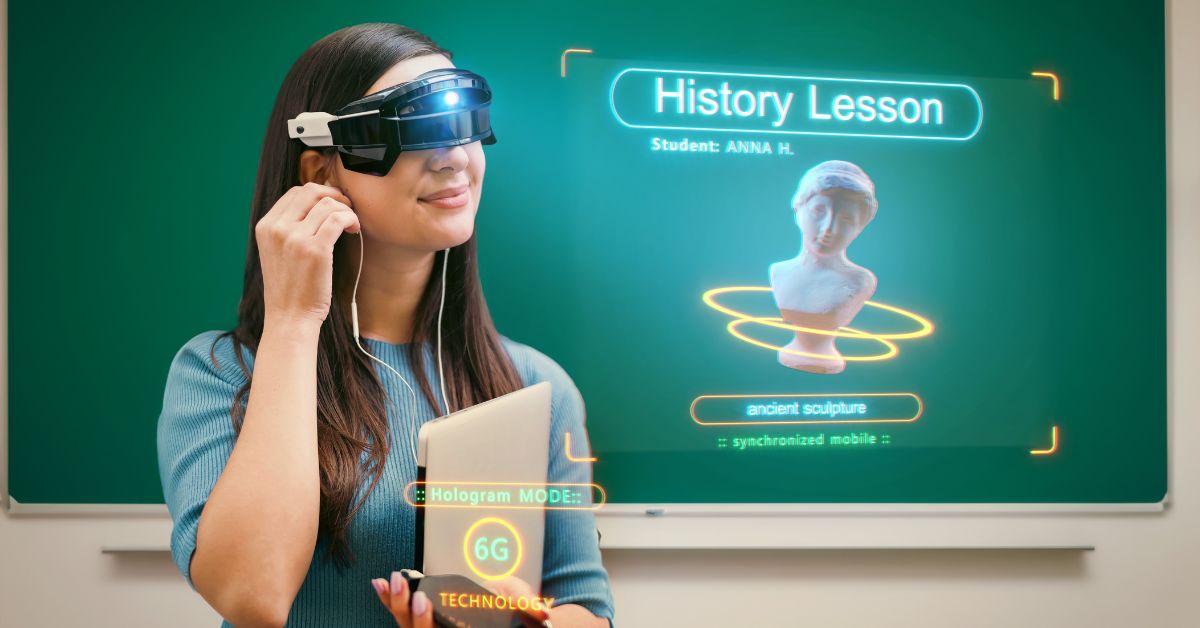
Mastering EdTech: How to Effectively Train Teachers in using VR/AR Tools
The digital revolution in education has brought innovative technologies front and center, notably Virtual Reality (VR) and Augmented Reality (AR) tools. Yet, one of the biggest challenges facing schools, colleges, and districts is successfully training teachers to master and integrate these transformative EdTech solutions. In this comprehensive guide, we’ll delve into practical strategies, best practices, and proven methods to empower educators in leveraging VR/AR tools to their full potential—leading to richer, more engaging learning experiences for students.
Why Effective Teacher Training in VR/AR Matters
Despite their immense potential, the successful adoption of VR and AR in education hinges on teachers’ confidence and competence in using these tools. Training is not just about learning the technology—it’s about understanding how to integrate it pedagogically for maximum student impact.
- Enhanced Student Engagement: Immersive VR/AR lessons capture student attention and promote deeper understanding.
- Improved Learning Outcomes: Studies show that interactive technologies boost retention and practical understanding.
- Future-Ready Skills: Integrating EdTech prepares both teachers and students for the digital demands of tomorrow’s workforce.
- Increased Instructional Adaptability: Teachers who master VR/AR can design adaptive, differentiated lessons for diverse learning needs.
Key Challenges in Training Teachers for VR/AR integration
While the benefits are clear, schools frequently enough face unique roadblocks when it comes to EdTech professional development:
- Varying Levels of Tech Proficiency: Not every educator has the same comfort level with technology.
- Limited Time and Resources: Intensive training sessions can compete with existing teaching responsibilities.
- Cultural Resistance: Change is challenging—overcoming skepticism is essential for success.
- Rapidly Evolving Tools: VR/AR technologies are evolving, requiring ongoing training and adaptability.
Addressing these pain points is critical for any meaningful EdTech change.
Best Practices for Training Teachers in Using VR/AR Tools
To maximize professional development in EdTech, administrators and trainers should implement strategies proven to drive success:
1. Conduct a Needs Assessment
- Survey teachers to gauge current familiarity with VR/AR tools.
- Identify preferred learning modalities (peer-lead, hands-on, online modules).
- Pinpoint specific classroom applications relevant to your curriculum.
2. Start with the Pedagogy, Not the Gadget
-
Focus initial training sessions on pedagogical frameworks like the SAMR Model (Substitution, Augmentation, Modification, Redefinition) to help teachers envision specific classroom uses of VR/AR.
3. Offer Hands-On, Interactive Workshops
- Schedule experiential sessions where teachers explore VR/AR devices, apps, and lesson plans.
- Encourage small group collaboration—peer learning accelerates adoption and confidence.
4. provide Ongoing Coaching & Support
- Establish EdTech mentoring programs or appoint ”VR/AR Champions” in each department.
- Create an open-door policy for troubleshooting and idea-sharing.
5. Curate and Share Swift-Start Resources
-
Develop an online resource library featuring video tutorials, best-practice guides, sample lesson plans, and troubleshooting FAQs.
-
Use platforms like Google Classroom, Microsoft Teams, or a dedicated intranet for easy resource access.
6. Foster a Culture of Experimentation
- Celebrate early adopters and share success stories schoolwide.
- Incorporate regular ”show-and-tell” sessions for staff to showcase creative VR/AR uses.
7. Embed Reflection & Feedback Loops
- Solicit regular feedback through surveys or informal discussions.
- Adjust and personalize training programs based on actual classroom experiences.
Real-World Case Studies: Successful VR/AR Implementation in Schools
The following examples highlight how innovative schools are leading the way in VR/AR teacher training:
Case Study 1: Tech-Savvy Elementary
- Formed a “Digital Learning Team” tasked with piloting various VR apps across grades 3-5.
- Organized monthly hands-on workshops for all staff, emphasizing peer presentation and lesson co-design.
- Resulted in a 60% increase in teacher adoption after two semesters.
Case Study 2: Urban High School District
- Partnered with a local university to offer micro-credentialing in VR/AR integration.
- Provided time-release periods for teachers to collaborate on VR-based project-based learning units.
- Observed improved student attendance and a measurable boost in science test scores.
Case Study 3: Rural Middle School
- secured grant funding to provide every science teacher with a starter VR classroom kit.
- Established a “VR Fridays” initiative, supported by remote EdTech coaches via video chat.
- Teachers reported increased student engagement and greater confidence in exploring new technology.
Practical Tips for EdTech Leaders & Trainers
- Chunk Content: Break training into manageable, themed modules to minimize overload and maximize retention.
- Leverage Gamification: Use badges, leaderboards, or challenges to motivate participation and recognize achievements.
- Promote Inclusive Access: Ensure all staff—regardless of tech proficiency—are supported and encouraged.
- Model Best Practices: Administrators and trainers should use VR/AR during staff meetings or professional development, modeling hands-on use.
- Create a Feedback Culture: Invite open dialogue about what’s working—and what isn’t—to inform ongoing improvements.
First-Hand Experience: Teacher Voices
“Before our school’s VR training, I was hesitant. But the small group sessions made all the difference! Now I’m designing virtual science labs and my students are more curious than ever.”
— Maria S.,Middle School Science Teacher
“The ongoing mentoring I received helped me troubleshoot when things went wrong and gave me the confidence to experiment with new applications in my history classes.”
— Jamie T.,High School History Teacher
conclusion: building a Sustainable VR/AR EdTech Culture
The journey towards mastering EdTech—especially with cutting-edge VR/AR tools—starts with empowering and inspiring teachers. Effective training is ongoing, collaborative, and grounded in practical classroom needs. By following evidence-based training methodologies and fostering a culture of digital innovation, schools can ensure every teacher is equipped to harness the full power of immersive technologies.
As the EdTech landscape continues to evolve, those who proactively invest in teacher training will lead the transformation in educational excellence, ensuring students are ready for the world of tomorrow. Start integrating VR/AR training today—and watch your learning community thrive!