
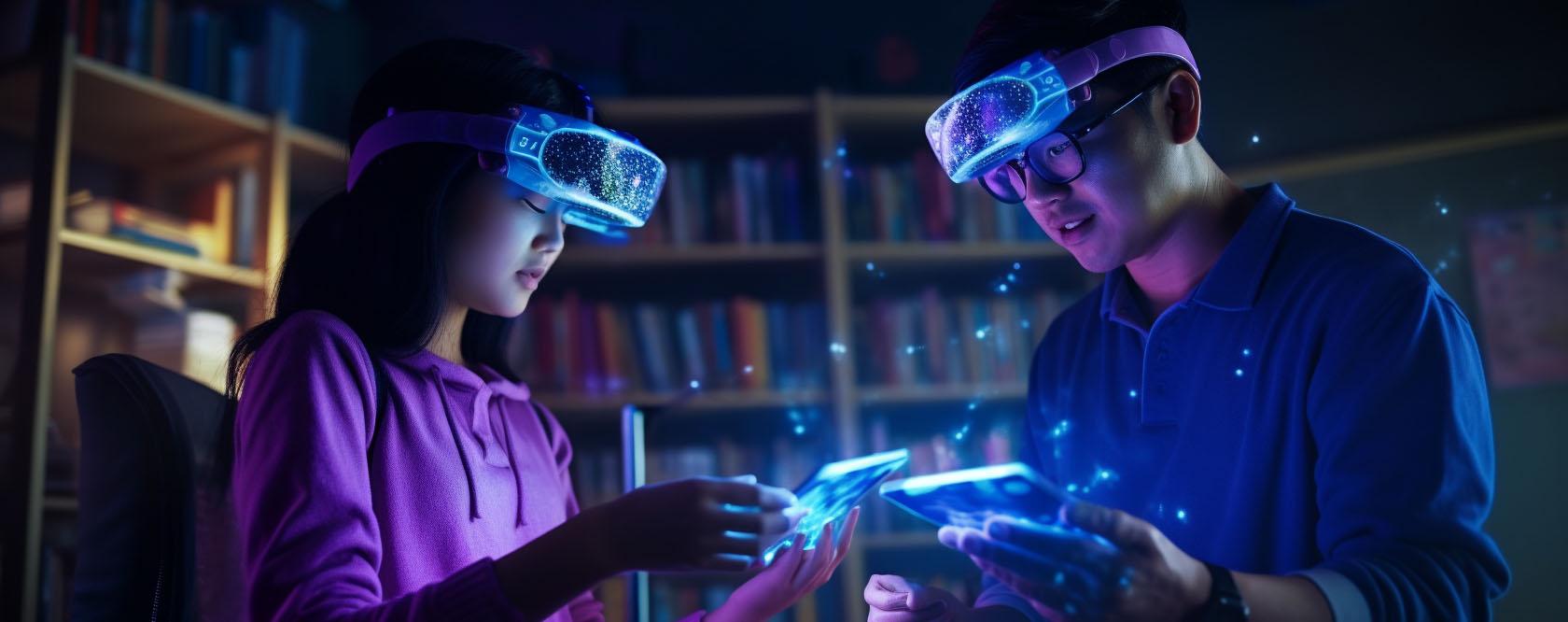
Mastering the Future: Effective VR/AR Training Strategies for Teachers
With technology rapidly transforming the educational landscape, VR (Virtual Reality) and AR (Augmented Reality) have emerged as powerful tools for immersive learning. From simulating historical events to visualizing complex scientific concepts, VR and AR are revolutionizing how teachers connect with students. Though, leveraging these innovations calls for intentional training strategies. In this complete guide, we’ll explore how teachers can master VR/AR for education, understand its benefits, and implement it effectively to shape the classroom of the future.
Why VR/AR Training Matters for Modern Educators
The adoption of VR/AR in schools isn’t just a trend; it’s a necessary step towards preparing students for the digital world. According to EdSurge’s 2022 report, schools integrating immersive technology have reported increased student engagement, improved retention rates, and heightened creativity.For teachers, proper VR/AR training opens doors to new instructional methods, fostering deeper connections with 21st-century learners.
- Enhanced Engagement: Make lessons more interactive and relatable.
- Deeper Understanding: Bring abstract topics to life through visualization.
- Personalized Learning: Cater to different learning styles with adaptable content.
- Future-Proof Skills: Equip students and teachers with digital literacy and tech fluency.
Key Strategies for Effective VR/AR Training for Teachers
Integrating a new technology can be daunting, but with the right strategies, teachers can transform classrooms into immersive learning hubs. Here are proven approaches to ensure effective VR/AR integration in education:
1. Start with Clear Learning Objectives
- Define what you want students to achieve using VR/AR.
- Align VR/AR use with curriculum standards and learning outcomes.
2. Hands-On Training Workshops
- Organize interactive sessions where teachers can explore popular VR/AR education apps such as Google Expeditions or Microsoft HoloLens.
- Invite experienced trainers to demonstrate classroom applications.
- Offer guidance on safety, device handling, and troubleshooting.
3. peer Collaboration and Professional Learning Communities (PLCs)
- Encourage teachers to share VR/AR lesson ideas and resources on platforms like Edutopia or local PLCs.
- Facilitate regular meetups or online forums to discuss successes and challenges.
4. Scaffolded Implementation
- Begin with simple applications – like virtual field trips – before advancing to more complex simulations.
- Gradually introduce students to VR/AR, allowing time to adapt and provide feedback.
5. Continuous Support and Resources
- Ensure access to technical support from edtech teams or IT staff.
- Provide updated guides, video tutorials, and recommended app lists.
Top Benefits of VR/AR Training in Education
The impact of immersive technology on the classroom is significant. Here are the most compelling benefits for teachers and students:
- Immersive Storytelling: Students can “enter” historical events or explore the human body in 3D, making learning far more memorable.
- Safe Simulation: conduct virtual science experiments or hazardous scenarios (e.g., chemistry labs) with zero risk.
- Global Access: Overcome physical and economic barriers by “visiting” museums or habitats worldwide through VR/AR platforms.
- Empathy and Social Skills: Some VR experiences place students in others’ shoes, increasing empathy and cultural awareness.
- Accessibility: Visualizations and interactive interfaces can definitely help learners with disabilities better engage with course content.
Practical tips for Integrating VR/AR in the Classroom
Ready to bring VR or AR into your teaching practice? Here are practical steps and tips:
- Start Small: Pilot with one lesson per month, analyze outcomes, and iterate.
- Choose the Right hardware: Consider budget-pleasant tools like Google Cardboard or merge cubes for AR, or invest in comprehensive kits as funding allows.
- Curate Content: Use reputable sources or content creation tools such as CoSpaces Edu to customize experiences for your subjects.
- Prepare Students: Teach classroom VR/AR etiquette and device care.
- Encourage Feedback: Regularly survey students on what worked and which improvements can be made.
- Integrate Assessment: Use VR/AR projects as formative assessments to gauge understanding and creativity.
Real-World Case Studies: Successful VR/AR Training for Teachers
Let’s look at how schools are successfully adopting VR/AR in classrooms:
Case Study 1: Transforming science lessons in California
A Los Angeles middle school trained its teachers with a series of AR workshops using Microsoft HoloLens. Within a semester, science teachers shifted from conventional textbook lessons to interactive body systems explorations, boosting test scores by 20%. Feedback showed students felt more connected and “saw science come alive.”
Case Study 2: Virtual Field Trips in Rural India
Teachers in a rural school accessed government-provided VR headsets and attended a month-long digital literacy workshop. English and history instructors incorporated virtual field trips to the Taj Mahal and London, broadening students’ perspectives and increasing attendance by 15% during VR project weeks.
Challenges & How to Overcome Them
- Access & Cost: Seek grants, crowdfunding, or district technology funding to cover initial expenses.
- Training Time Constraints: Offer short, flexible modules teachers can complete over several weeks.
- Technical issues: Establish clear support channels for troubleshooting, and use student “tech leaders” to assist in classrooms.
- Screen Time Concerns: Balance VR/AR activities with offline,hands-on projects and integrate regular breaks.
First-Hand Experience: Voices from the Classroom
“Before VR, my students struggled with abstract math concepts. After integrating 3D geometry lessons, not only did their grades improve, but even the most hesitant learners got excited about math. Training gave me the confidence to experiment and adapt quickly.”
—Ms.Regina Owens, High School Math Teacher
“The best part of AR is seeing students collaborate on digital projects layered over our classroom walls. They’re more engaged, and their creativity shines. Ongoing support and peer sharing are crucial for continuous advancement.”
—Mr. Carlos Lopez, Elementary School Science Educator
Conclusion: Preparing for Tomorrow’s Classrooms Today
the future of education is immersive, interactive, and borderless. By embracing VR/AR training strategies, teachers can ignite curiosity, foster deeper understanding, and build skills essential for the 21st-century world.Remember, mastering VR/AR isn’t about replacing traditional methods—it’s about expanding what’s possible in every lesson. Start small, stay curious, and support one another as you led your students into a brighter, tech-enabled future.
Are you ready to master VR/AR in the classroom? Share your own experiences, insights, or questions below. Let’s shape the future of education—together!