
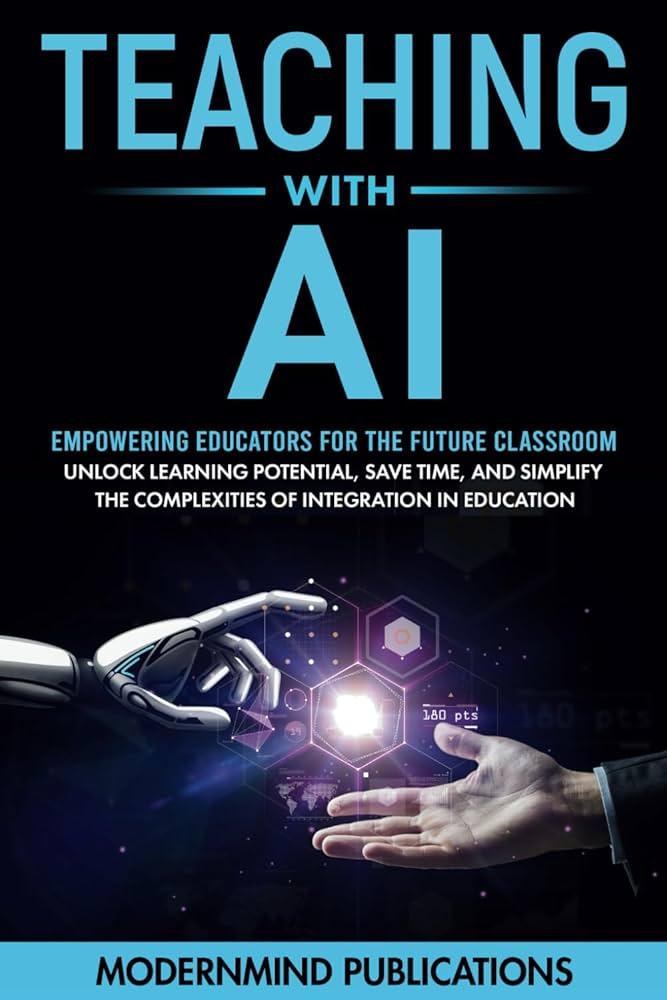
Mastering the Future: Essential Training for Teachers in AI-Integrated Classrooms
Introduction
The rise of AI-integrated classrooms is transforming how we teach and learn. For today’s educators, mastering artificial intelligence in education is no longer a futuristic ideal—it’s an immediate necessity. As schools worldwide adapt to smart technologies, equipping teachers with essential AI training empowers them to harness the potential of AI, ensuring enhanced student outcomes, personalized learning experiences, and increased classroom efficiency. In this article, we’ll explore the core skills, key benefits, practical steps, and real-world case studies that define 21st-century teacher training in AI-integrated classrooms.
Why AI Training is Crucial for modern educators
Artificial intelligence is radically changing education by offering:
- Automated assessments for faster grading
- Personalized learning that adapts to each student’s pace
- Real-time data analytics to track academic progress
- Enhanced accessibility for students with diverse learning needs
- Smarter content creation and resource recommendations
Teachers equipped with AI skills can focus more on mentoring and creative teaching, while letting intelligent systems handle repetitive administrative tasks.
Core Components of Essential AI Training for Teachers
Structured AI professional progress for teachers revolves around the following core components:
-
understanding AI Fundamentals
- Defining artificial intelligence, machine learning, and data science
- Recognizing how AI works behind the scenes in educational tools
-
Integrating AI Tools into the Classroom
- Exploring adaptive learning platforms and chatbots
- Utilizing virtual teaching assistants and intelligent grading systems
-
Ethics, Privacy, and Digital Citizenship
- Understanding cybersecurity and data protection for students
- Promoting fairness, clarity, and equity in AI usage
-
Hands-on Practice and Continuous Learning
- Participating in workshops, simulations, and peer learning
- Staying up to date with latest AI trends in education
Benefits of AI-Integrated Classrooms for Educators and Students
AI integration in the classroom doesn’t just modernize teaching; it opens up whole new possibilities for collaboration, creativity, and engagement. Here’s how both students and educators benefit:
- Personalized instruction: Address individual learning gaps efficiently
- Time-saving automation: Spend less time grading and more time interacting
- data-driven insights: Make informed decisions based on learning analytics
- Improved accessibility: Support a diverse range of learning needs
- Enhanced student engagement: Use interactive and adaptive learning experiences
Did you know? According to a 2023 OECD report, schools leveraging AI-powered feedback systems saw a 20% improvement in student engagement and measurable academic gains in under six months.
First-Hand Experiences: Voices from the classroom
Teachers worldwide are already sharing how AI integration in schools is reshaping their practice:
“AI-powered adaptive quizzes have helped my students learn at their own pace. I spend less time on administrative work and more on mentoring.”
— Maria Aguirre, 6th Grade Teacher, Texas
“Ethics training around AI has made a big difference—I feel confident teaching my students about digital duty.”
— John Carter, High School Computing Teacher, UK
These direct experiences highlight the transformative nature of AI professional development for teachers.
Case Study: A School’s Journey with AI Technology
Let’s look at Lincoln Middle School—a pioneer in AI-integrated classrooms:
- Initial Challenge: High grading workload and limited individual support for students
- AI Implementation: Teachers received training on AI-driven assessment tools and personalized learning platforms
- measured Impact: Within a year, grading time dropped by 40%; teachers reported increased satisfaction, and students achieved higher test scores
- Key Takeaway: Ongoing AI teacher training and peer support networks were crucial for accomplished adoption
Practical tips: How to prepare for AI-Integrated Teaching
-
Seek Accredited AI Training Programs
- Look for certifications recognized by educational bodies or edtech leaders
-
Start Small
- Pilot AI-powered tools in a single lesson or unit before scaling up
-
Join Professional Learning Communities
- Connect with other educators, share insights, and learn best practices
-
Embed Digital Citizenship into Lessons
- Model responsible AI usage and discuss ethical considerations with students
-
Embrace Lifelong Learning
- Keep updating your skills as technology, tools, and standards evolve
The Future of Teacher Training: Trends to watch
As educational technology advances, so does the landscape of teacher professional development for AI. Upcoming trends include:
- Micro-credentialing: Short,stackable AI skills certifications
- AI coaching & personalized PD: Adaptive learning paths for teachers
- Blended training approaches: Combining online learning with hands-on,in-person peer coaching
- Open-source resources: free,globally accessible AI/EdTech curriculum materials
Embracing these trends ensures teachers not only keep pace with new technology but also thrive and lead innovation in AI-integrated classrooms.
Conclusion: Embrace AI, Empower Learners
The future of education hinges on empowered, adaptable, and well-trained teachers who can confidently navigate the opportunities and challenges of AI-integrated classrooms. By investing in essential training for teachers in AI-integrated classrooms, educators are not merely surviving in the digital age—they are mastering it. The key is to start small,stay curious,foster communities of practice,and always put student learning and wellbeing at the heart of every AI-driven innovation.
Ready to embark on your journey? The classroom of the future is waiting for you to lead the way.