
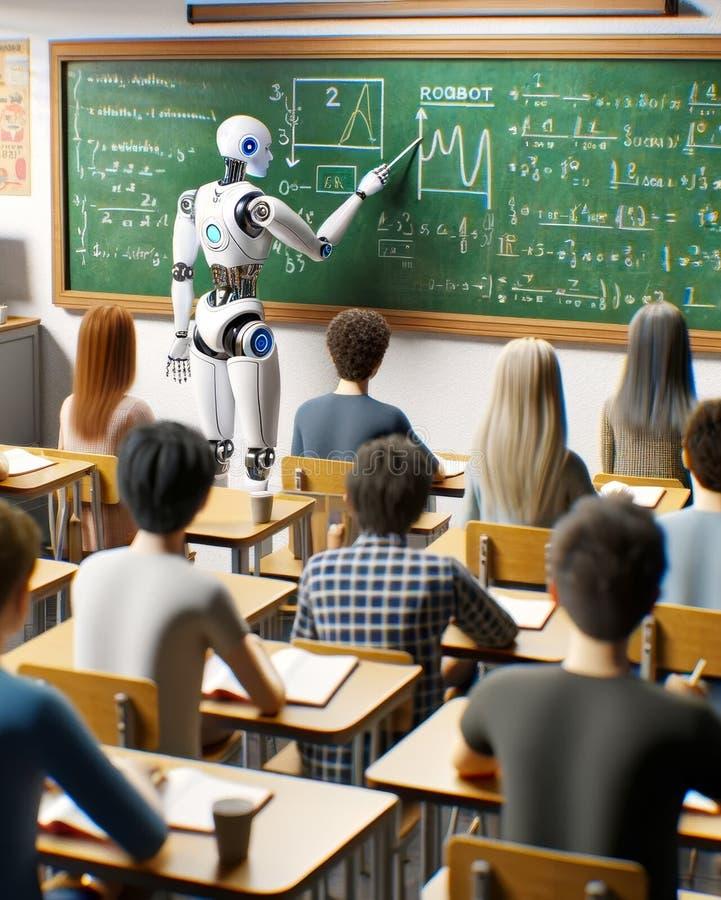
Mastering the Future: Training Teachers for Effective AI-integrated Classrooms
The landscape of education is evolving rapidly, and artificial intelligence (AI) is at the forefront of this change. As technology reshapes teaching and learning processes, educators are under increasing pressure to master new AI-driven tools and integrate them successfully into the classroom.But how can schools ensure their teachers are prepared for this shift? In this comprehensive guide, you’ll discover the essential strategies, benefits, and resources necessary for training teachers for effective AI-integrated classrooms.Embrace the future of education with confidence and reshape your students’ learning experience!
why AI in Education Matters
Artificial intelligence holds the promise to personalize learning, automate administrative tasks, and unlock valuable insights into student progress.From adaptive learning platforms to intelligent grading systems, the potential of AI in education is vast. Though, realizing these benefits requires teachers to possess not only technical know-how but also a deep understanding of ethical, pedagogical, and practical implications of AI technologies in their classrooms.
- Personalized learning: Tailor lessons to each student’s needs and pace.
- Real-time feedback: Provide students with instant assessments and support.
- Efficient administration: Automate grading and manage classroom logistics seamlessly.
- Data-driven insights: Use student data to inform instructional strategies and interventions.
Core Components of Teacher Training for AI-Integrated Classrooms
Effective teacher training for AI-integrated classrooms is much more than a one-time workshop. It’s a continuous process blending technical skill advancement, pedagogical strategies, and ethical considerations. Here’s what comprehensive teacher training should involve:
1. Understanding AI Basics
- Demystify AI concepts (machine learning, neural networks, adaptive algorithms)
- Introduce popular AI-powered educational tools
2. Hands-on Tool Training
- Explore AI-driven platforms like Khan Academy’s AI tutor, Google Classroom AI features, and Quizlet
- Implement classroom-friendly AI resources and lesson plans
3. Pedagogical Integration
- Design student-centered, AI-enhanced lesson plans
- Blend traditional teaching methods with AI-assisted strategies
4. Digital Literacy and Ethics
- Teach digital literacy, responsible usage, and data privacy
- Discuss equity, bias, and the ethical limitations of AI in education
5. Continuous Professional Development
- Provide ongoing workshops, webinars, and peer support communities
- Encourage reflective practice and iterative learning
Benefits of Well-Trained Teachers in AI-Enhanced Classrooms
The benefits of AI-integrated teacher training ripple through the entire learning ecosystem.Here’s how empowering teachers with AI expertise leads to outstanding educational outcomes:
- Boosts teacher confidence: Well-prepared educators feel empowered to innovate and experiment with new teaching methodologies.
- Enhances student engagement: AI-based personalized learning keeps students motivated and invested.
- Promotes equity: Teachers equipped with AI tools can identify learning gaps faster and tailor support for diverse learners.
- Fosters adaptability: Ongoing training enables teachers to stay ahead of technological trends and classroom challenges.
- Improves learning outcomes: Data-driven insights help target interventions, leading to better student achievement.
Practical Tips for Schools and Educators
Ready to embrace the future? If you’re considering integrating AI into your classrooms, here are some practical steps for schools, district leaders, and teachers:
- Start with pilot programs: Test AI tools in select classrooms to gather feedback and refine best practices.
- Invest in collaborative PD sessions: Organize workshops where teachers can share experiences and learn from peers.
- Provide easy-to-follow resources: Curate step-by-step video tutorials, user guides, and template lesson plans.
- support ongoing mentorship: Pair tech-savvy teachers with those new to AI integration for peer coaching.
- encourage open dialog: Discuss ethical issues, student privacy, and the role of AI transparently with all stakeholders.
- leverage online communities: Join forums and educator networks focused on AI in education for regular inspiration.
case Study: AI Integration Success Story
At Lincoln Middle School,a year-long professional development program empowered teachers to integrate AI-powered tools across grade levels. Through hands-on workshops and mentorship, educators learned to use adaptive learning platforms, automated assessment tools, and data analytics dashboards. The results were striking: student engagement rose by 30%, achievement gaps narrowed, and teachers reported feeling more effective and less burdened by administrative tasks.This real-world example showcases just how transformative quality AI-integrated teacher training can be.
First-Hand Experience: A Teacher’s Perspective
“When I began incorporating AI into my lesson plans, I was initially overwhelmed. But thanks to our school’s ongoing training sessions, I quickly learned how to personalize learning paths and automate routine tasks. Not only did my students become more engaged, but I also found more time to focus on creative teaching. With AI as my classroom partner, I feel I’m truly preparing my students for the world they’ll inherit.”
— Sarah L.,8th Grade Teacher
How to Choose the Best AI Teacher Training Programs
With so many AI teacher training programs emerging,it’s crucial to choose those that emphasize both technical fluency and classroom practice. Look for programs that offer:
- Experienced trainers with education and technology backgrounds
- Blend of online modules and in-person workshops
- Opportunities for practice, feedback, and collaborative learning
- Resources tailored for different grade levels and subjects
Notable programs include ISTE’s AI in Education certification, Google for Education’s AI training sessions, and local university-sponsored workshops.
Overcoming Challenges in AI Teacher Training
Implementing effective AI-integrated classrooms isn’t without hurdles. Schools may face obstacles such as limited funding, teacher apprehension, or inadequate infrastructure. These challenges can be addressed by:
- Phased implementation and targeted investments in hardware/software
- Providing incentives and recognition for early adopters
- Promoting a culture of experimentation and support, rather than perfection
- Ensuring strong technical support and responsive troubleshooting
By planning strategically and fostering a growth mindset among educators, schools can propel their AI adoption journey with greater success.
Conclusion: prepare Today, Empower Tomorrow
Mastering the future of education means equipping our teachers with the tools, knowledge, and mindset to blend innovation and pedagogy. As AI becomes a staple in modern classrooms, comprehensive teacher training is no longer a luxury, but a necessity. By investing in ongoing development, fostering collaboration, and choosing the right AI-integrated resources, schools can unlock unparalleled opportunities for both teachers and students.
The classroom of tomorrow is here today. Let’s prepare our educators to lead, inspire, and thrive in this new era.