
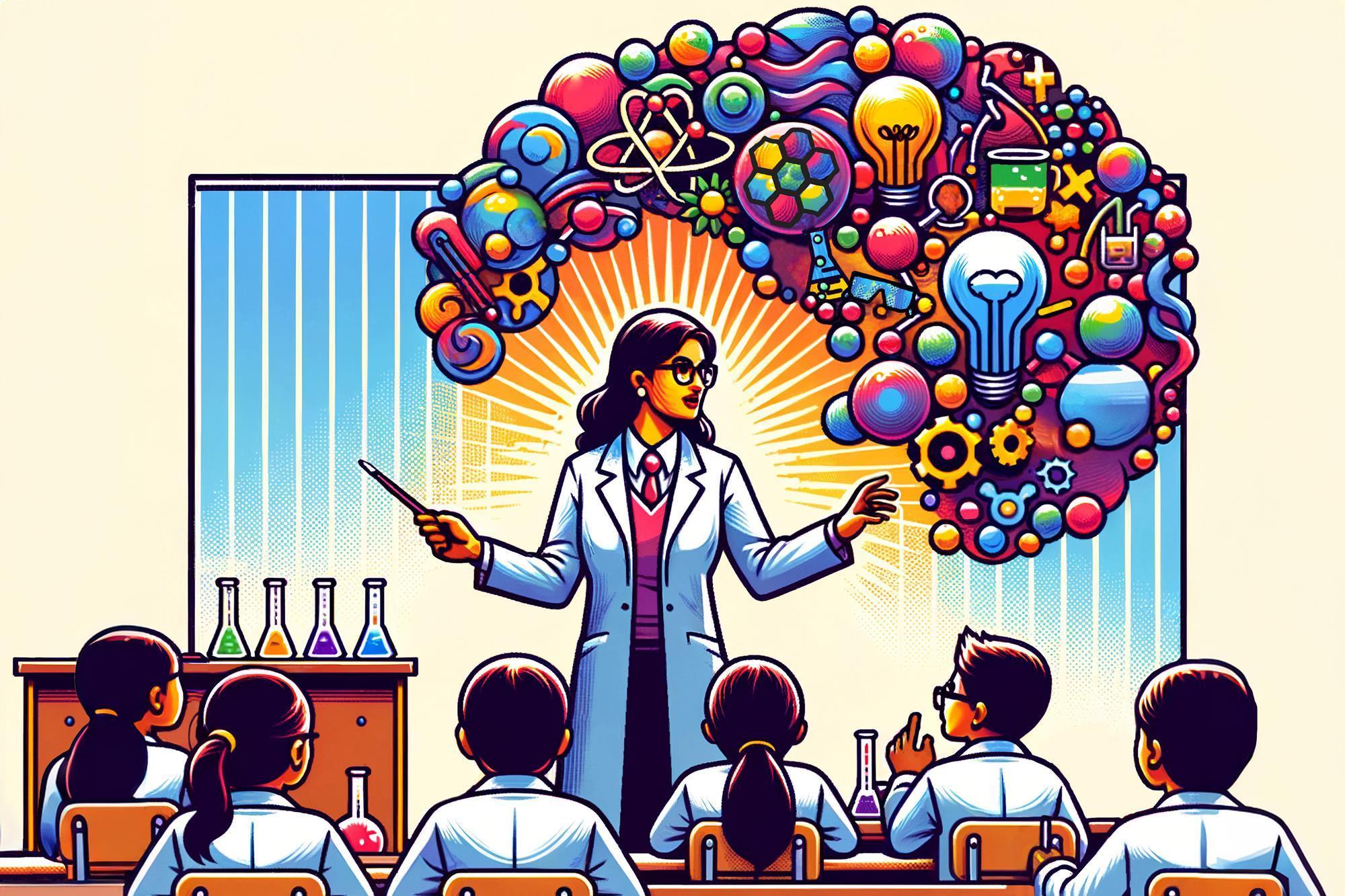
Mastering the Future: Training Teachers for Success in the AI-Integrated Classroom
As artificial intelligence (AI) reshapes the landscape of education, the demand for teachers equipped to thrive in AI-integrated classrooms is surging.Mastering the future means understanding and embracing AI in education—not just for students, but for educators themselves. In this thorough guide, you’ll discover why training teachers for success in AI-integrated classrooms is vital, what skills are essential, and actionable strategies to empower educators in this new era.
Why AI Integration Matters in Modern Education
In the digital age, AI is no longer a futuristic fantasy—it’s a present reality powering adaptive learning platforms, automating administrative tasks, and personalizing education for diverse learning needs. The integration of AI technology offers:
- Enhanced student engagement via personalized learning paths
- Streamlined grading and feedback cycles for teachers
- Early identification of students’ learning gaps
- Efficient classroom management tools
- insights through data-driven analytics
For teachers, however, the challenge is not just in using AI-powered tools, but in mastering them to foster real educational transformation.
Core Competencies: Skills for Success in the AI-Integrated Classroom
Training teachers for AI involves more than technical proficiency. It requires a holistic skillset,including:
- AI Literacy: Basic understanding of AI concepts and ethical considerations.
- Technology Integration: Creative use of digital platforms and AI tools in lesson planning and delivery.
- Data Analysis: Ability to interpret student data to inform instruction and intervention.
- Adaptability: Willingness to experiment with emerging technologies and adapt teaching methods accordingly.
- Critical Thinking & Problem Solving: Encouraging these skills in students, leveraging AI to support inquiry-based learning.
Benefits of Training Teachers for AI-Integrated Classrooms
The advantages of AI professional development for teachers extend well beyond the classroom. Highlights include:
- Increased Efficiency: Automate routine administrative tasks and focus on personalized teaching.
- Improved Student Outcomes: Tailor instruction to individual student needs using AI-driven insights.
- Reduced Teacher Burnout: Free up time for creative lesson planning and meaningful interactions.
- Lifelong Learning: Cultivate a growth mindset essential for navigating rapid technological change.
- Leadership Opportunities: Position yourself as a digital innovator and mentor to peers.
Practical Tips for Training Teachers in AI-Integrated Education
For schools and districts looking to train teachers for success in the AI-integrated classroom, the following best practices can ensure meaningful and sustained impact:
-
start with Foundational workshops:
Organize workshops that demystify AI concepts and introduce practical classroom applications.
-
Build a Supportive Community:
Encourage teacher collaboration through peer-led learning communities, online forums, and mentoring programs.
-
Encourage “Learning by Doing”:
Facilitate hands-on sessions with AI-powered educational tools (like adaptive quizzes or grading apps).
-
Emphasize Ethical AI Usage:
Offer guidelines for data privacy, algorithmic bias, and responsible use of technology.
-
Provide Ongoing Support:
Partner with edtech companies for in-service training and ensure access to troubleshooting resources.
-
Integrate AI Goals into Professional Development Plans:
Make AI competency part of annual teacher goals and evaluations.
-
Celebrate Success & Iterate:
share case studies of teachers who have successfully implemented AI and encourage feedback to refine training programs.
Real-World Case Studies: Triumphant AI Integration in Classrooms
Let’s spotlight a few inspiring examples of training teachers for AI-integrated classrooms:
-
singapore’s AI-In-Education Initiative:
the Ministry of Education rolled out large-scale teacher training in AI, beginning with foundational courses and progressively integrating advanced modules. Student engagement and differentiated instruction improved markedly.
-
USA: District-Wide AI Literacy Program in New Jersey:
Teachers participated in blended learning workshops, using AI-powered tools to identify struggling students earlier. As a result, targeted interventions helped boost standardized test scores.
-
Finland: Peer-Led AI Professional Communities:
Finnish teachers self-organized “AI circles” where members collaborated on project-based lessons using AI apps. this peer-to-peer approach accelerated AI literacy across schools and fostered a culture of innovation.
First-Hand Experience: Insights from AI-Ready Educators
Teachers who’ve mastered the art of the AI-integrated classroom often share similar reflections:
“At first, AI felt overwhelming. But with structured training and support from my colleagues, I now use AI-driven insights to meet my students where they are. It’s helped me grow as an educator—and my students are more engaged than ever.”
– Ana M., secondary School Teacher
These testimonials underscore a common truth: Investing in teacher readiness for AI is the key to unlocking innovation and equity in education.
Best Practices for Ongoing AI Professional Development
-
Curate Up-to-Date Resources:
Subscribe to leading educational technology blogs, webinars, and online AI teacher communities.
-
Blend Self-Paced and Instructor-Led Learning:
Leverage both digital modules and guided group sessions for maximum retention and application.
-
Set Measurable Learning Goals:
Encourage teachers to set and track progress toward AI integration milestones.
-
include Student Voices:
Solicit student feedback on AI-powered learning to improve both teacher training and classroom outcomes.
conclusion: Embracing the AI-Driven Future of Teaching
The future of education is AI-powered, but it’s success hinges on how well we train and support our teachers. By prioritizing teacher training for AI-integrated classrooms, schools can unlock more personalized learning, improved outcomes, and inspired educators. Embrace regular professional development, foster collaborative learning communities, and don’t shy away from new AI-driven possibilities. The next generation deserves a classroom that’s not just tech-savvy—but also guided by empowered, AI-ready educators.
For more ideas on AI in education and teacher training, explore our latest resources or join the conversation in the comments below!