
Mastering the Role of a Blended Learning Designer: Skills, Strategies & Success Tips
With the evolution of education technology across universities, colleges, and K-12 schools, the demand for skilled blended Learning Designers has skyrocketed. If you’re passionate about integrating digital tools with customary teaching methods, this dynamic and rewarding career path might be perfect for you. In this comprehensive guide, we’ll discuss what it takes to excel as a blended learning designer, the essential skills required, proven strategies for success, and practical tips to land your dream job in EdTech.
What Is a Blended Learning Designer?
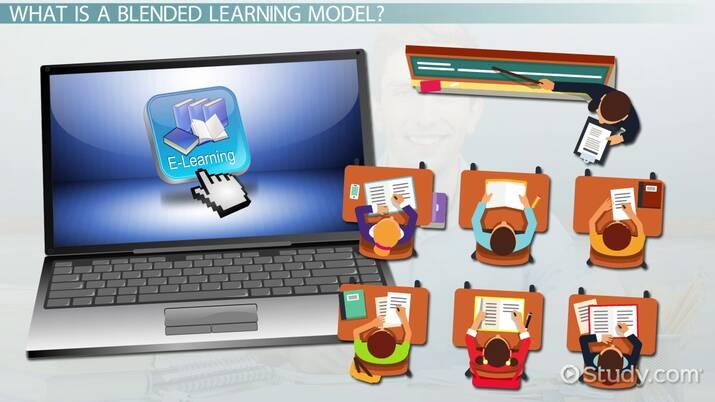
A Blended Learning Designer crafts learning experiences that merge face-to-face instruction with digital technologies, optimizing education for today’s connected learners. Their role is multidisciplinary, blending pedagogy, instructional design, and technology integration to enhance both learning outcomes and engagement. In academic settings, blended learning designers collaborate with faculty, educational technologists, and IT staff to develop and implement hybrid courses, learning modules, and digital resources.
Key Responsibilities Include:
- Designing and developing blended (hybrid) learning courses using learning management systems (LMS) and digital platforms.
- Collaborating with instructors to align content and teaching strategies with learning objectives.
- Providing professional growth and training for teachers and faculty on blended learning best practices.
- Analyzing learner data to improve instructional design and student outcomes.
- Ensuring accessibility, inclusivity, and engagement for diverse student populations.
- Evaluating digital tools, apps, and resources for educational use.
Essential Skills for Blended Learning Designers
Succeeding as a blended learning designer calls for a unique blend of technical proficiency and educational expertise. If you’re preparing for roles in EdTech at universities,colleges,or schools,focus on developing these core skills:
1. Instructional Design & Curriculum Development
- Deep understanding of instructional design models (ADDIE, SAM, backward design).
- Experience creating modules and assessments for blended and online environments.
2. EdTech & Digital Literacy
- Proficiency with learning management systems (Canvas, Blackboard, Moodle).
- Familiarity with interactive content creation tools (Nearpod, Padlet, Articulate 360).
- Basic coding or multimedia skills (video editing, graphic design) are increasingly valued.
3. Pedagogical Knowledge
- Solid grasp of adult learning theory, differentiated instruction, and student-centered teaching practices.
- Expertise in designing activities that foster critical thinking, collaboration, and digital citizenship.
4. Project Management & Collaboration
- ability to manage multiple projects and deadlines in academic settings.
- Strong communication skills for working with faculty, staff, and students.
5. Assessment & Data Analysis
- skill in gathering and interpreting data to measure course effectiveness and student success.
Benefits of working as a Blended learning Designer
The blended learning designer role is ideal for those who thrive on innovation, constant learning, and making a direct impact on student education. Here are some notable advantages:
- High Demand: EdTech roles, especially in blended learning, are rapidly growing in higher education and K-12 school districts.
- Professional Growth: Continuous learning opportunities with new technologies, instructional strategies, and research findings.
- Collaborative Environment: Work alongside diverse teams,including teachers,administrators,and IT professionals.
- Positive Impact: Directly improve student engagement, learning outcomes, and access to education.
- Versatility: Many blended learning designers enjoy flexible work arrangements, including remote or hybrid positions.
strategies for success in the Blended Learning Designer Role
Landing and thriving in a blended learning designer job involves more than technical skills—you’ll need a strategic approach and a commitment to continuous advancement. Here are essential strategies for success in education technology:
Stay Current With EdTech Trends
- follow industry news about digital learning platforms, adaptive technologies, and emerging pedagogical methods.
- participate in webinars, conferences, and courses to keep your skills sharp and knowledge up-to-date.
Build a Growth Mindset
- Embrace experimentation with new technologies and learning methods.
- Solicit feedback from teachers and students to refine your designs and approaches.
Prioritize Accessibility and Inclusivity
- Design materials that accommodate diverse needs, including those with disabilities.
- Use Universal Design for Learning (UDL) frameworks to ensure equitable access for all students.
Strengthen Your Interpersonal and Leadership Skills
- Develop strong relationships with faculty and stakeholders to champion blended learning initiatives.
- Lead workshops and training sessions to share best practices and build capacity among staff.
Integrate Data for continuous improvement
- Regularly evaluate course analytics to identify student challenges and successes.
- Implement changes based on data to maximize engagement and achievement.
Practical Tips for Job Seekers
If you’re an aspiring blended learning designer eager to break into the field or advance your career in education technology, these tips will help you stand out:
1. Tailor Your Resume & Portfolio
- Highlight experience with blended and online course design, relevant EdTech tools, and prosperous implementation of digital strategies.
- Include samples of lesson plans, modules, multimedia content, or data-driven projects in your portfolio.
2.Network in the EdTech Community
- Engage with professional organizations and online communities focused on blended learning and instructional technology.
- Attend campus events, webinars, or EdTech meetups to build relationships and learn about new job openings.
3. Obtain Relevant Certifications
- Pursue certifications like Instructional Designer, eLearning Specialist, or technology integration credentials to boost your credibility.
- Stay current with continuing education options offered by universities,colleges,or EdTech associations.
4. Demonstrate Impact in Interviews
- Prepare to discuss how your designs improved engagement and learning outcomes.
- Share stories of overcoming challenges in integrating technology and fostering teacher buy-in.
5. Be Ready for Change
- Showcase your adaptability to new tools, platforms, and educational challenges in school or university settings.
Career Paths and Advancement Opportunities
Starting as a blended learning designer opens exciting doors in the broader field of education technology. Many professionals move into advanced roles such as:
- instructional Technology Specialist
- Learning experience Designer
- Director of Digital learning
- EdTech Project Manager
- Faculty Development Coordinator
Your expertise can lead to opportunities in instructional leadership, academic management, or even consultancy within schools, colleges, and universities.
Conclusion
The role of a Blended Learning Designer is both challenging and highly rewarding,offering significant opportunities for growth within the ever-expanding field of education technology. By honing your skills in instructional design, staying attuned to EdTech advancements, and adopting proactive strategies, you can make a meaningful impact on students and educators alike. Whether you aspire to work at a university, college, or K-12 school, mastering the blended learning designer role could be your key to a dynamic EdTech career. Take your next step today and help shape the future of learning!