
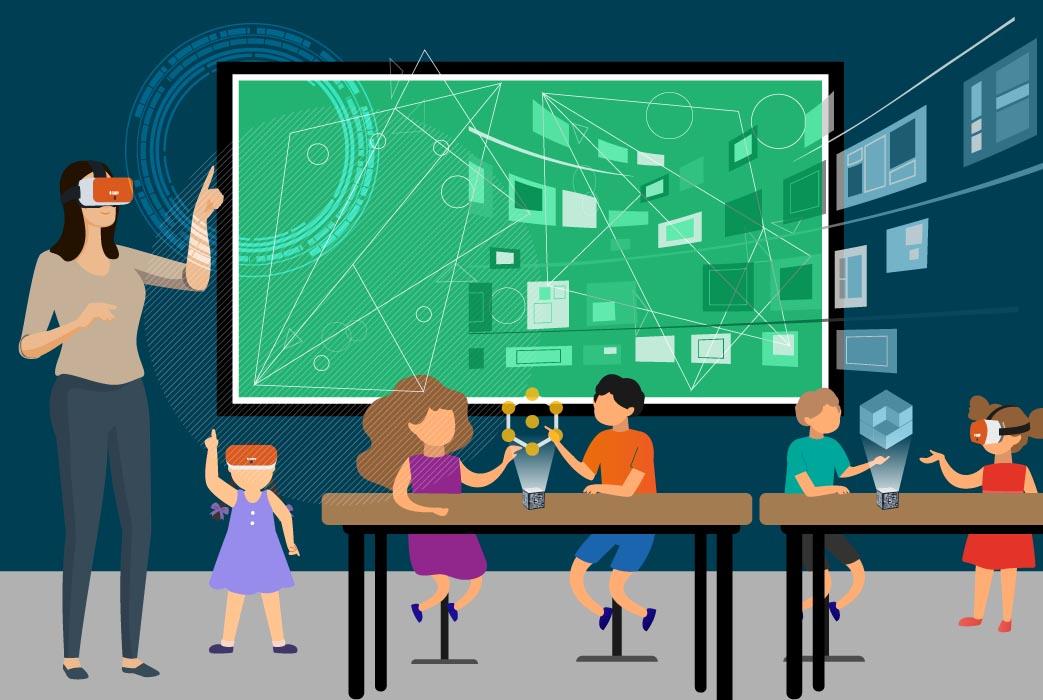
Mastering Virtual Classrooms: Effective Teacher Training for VR/AR Tools
As the pace of digital transformation in education accelerates, integrating virtual reality (VR) and augmented reality (AR) into online classrooms is no longer a distant dream. These immersive technologies are reshaping how educators teach and students learn, breaking the boundaries of conventional learning environments. For teachers, mastering virtual classrooms and VR/AR tools is essential for delivering engaging, interactive, and effective lessons. In this article, we explore best practices for teacher training in VR/AR, outline key benefits, and provide real-world insights to help educators thrive in the evolving digital education landscape.
Why VR/AR Tools Are revolutionizing Virtual Classrooms
- Immersive Learning: VR/AR tools create interactive lessons, providing hands-on experiences such as virtual dissections, historical explorations, or 3D modeling.
- Increased Engagement: Students are more attentive and motivated when lessons incorporate gamified and immersive elements.
- Personalized Instruction: Adaptive VR/AR platforms allow for customized learning paths, catering to individual student needs.
- Collaboration and Social Learning: Virtual classrooms can simulate group work and social interaction, enhancing interaction and teamwork skills.
- Accessible Education: Students from diverse backgrounds and locations can access high-quality, experiential instruction.
However, capturing these advantages requires teachers to receive specialized VR/AR training for virtual classrooms, ensuring they can confidently facilitate learning with these innovative tools.
Core Elements of Effective VR/AR Teacher Training
Teacher professional growth for VR/AR must go beyond the basics of device usage. A complete approach includes the following elements:
1. Technical Proficiency
- How to set up and operate VR headsets, AR devices, and associated software platforms.
- Troubleshooting common technical issues during live classes.
2. pedagogical Integration
- Designing lesson plans that leverage VR/AR to meet learning objectives.
- Understanding when immersive tools add value versus traditional methods.
3. Classroom Management
- Strategies to maintain student focus and manage behavior in virtual spaces.
- Safety and privacy protocols for digital and VR classrooms.
4. Continuous Support and Collaboration
- Ongoing access to help desks, communities of practice, and peer mentorship.
- Opportunities for feedback, reflection, and sharing best practices.
5. Assessment Techniques
- Adapting formative and summative assessments to immersive environments.
- Analyzing learning analytics from VR/AR tools to inform instruction.
Practical Tips for Teachers: Getting Started with VR/AR Classrooms
- Start Small: Pilot a single VR/AR lesson before integrating it into your entire curriculum. Choose subjects or modules that benefit most from visualization.
- Leverage Free and Low-cost Resources: Utilize platforms like Google Expeditions, cospaces Edu, or Nearpod VR for immersive content without a hefty investment.
- Collaborate With Peers: Join educator networks, forums, or online communities focused on digital teaching and immersive technologies.
- Participate in Workshops: Seek out certified PD workshops, webinars, and training sessions specifically designed for VR/AR in education.
- Prioritize Accessibility: Ensure all students can participate by providing alternatives for those who may experience motion sickness or have special needs.
- Reflect and Adapt: Gather student feedback after VR/AR lessons, and continually tweak your approach for maximum learning impact.
Case Studies: Successful implementation of VR/AR in Virtual Classrooms
Case Study 1: Virtual Science Labs in High School
A suburban high school in texas adopted VR-based chemistry labs to overcome limitations in resources and safety concerns. After a targeted teacher training program that covered both the technology and revised lab protocols, science teachers reported a 40% increase in student engagement and a notable advancement in lab skills retention. “The hands-on VR labs let my students experiment in ways we could never afford or safely achieve in person,” noted Dr. Janet Reyes, Chemistry Department Head.
Case Study 2: AR-Enhanced History Lessons
A private middle school in London introduced AR experiences to history classes, enabling students to explore ancient ruins, artifacts, and immersive reenactments. teachers received a month-long training on pedagogical integration and classroom management in virtual environments. Post-implementation surveys revealed that 87% of students found history more enjoyable, while teachers appreciated how AR fostered inquiry-based learning and collaboration.
Benefits of Investing in VR/AR Teacher training
- Enhanced Teacher Confidence: Well-trained educators are more pleasant experimenting and innovating with immersive tools.
- Improved Learning Outcomes: Effective use of VR/AR aligns with multiple learning styles and can boost comprehension and retention.
- future-ready Skills: Teachers equipped with VR/AR expertise are prepared for evolving educational technologies and methodologies.
- Scalable Implementation: Systematic training builds a foundation for school-wide or district-wide VR/AR integration.
Overcoming Challenges in VR/AR Teacher Training
Despite the transformative potential, there are hurdles to effective teacher onboarding for VR/AR in virtual classrooms:
- Resource constraints: Schools may lack sufficient hardware, software, or bandwidth.
- Varied Digital Literacy: Teachers have diffrent comfort levels with emerging technologies.
- Resistance to Change: Some educators are hesitant to shift from tried-and-true methods.
Solutions include gradual rollout, hybrid training models (blending asynchronous and hands-on practice), and robust mentorship or coaching programs.
first-Hand Experience: A Teacher’s Perspective
“Training for VR/AR completely transformed my teaching approach. I was initially intimidated—technology wasn’t my strength.But the step-by-step sessions addressed everything from device setup to designing an engaging curriculum. My students are now more excited than ever to participate, and I can’t imagine returning to traditional methods!”
— Emily Chen, 7th Grade Social Studies Teacher
Conclusion: Empowering educators for the Future of Virtual Learning
As the lines between the physical and digital classroom blur, investing in comprehensive teacher training for VR/AR tools is vital. Educators empowered with technical and pedagogical mastery are uniquely positioned to foster curiosity, deepen understanding, and prepare students for a future defined by innovation. By embracing immersive technology and ongoing professional growth, teachers can truly master the art of the virtual classroom—unlocking new possibilities for lifelong learning.
Ready to start your journey? Explore local and online VR/AR educator training opportunities, and join a community of forward-thinking teachers shaping tomorrow’s classrooms today!