
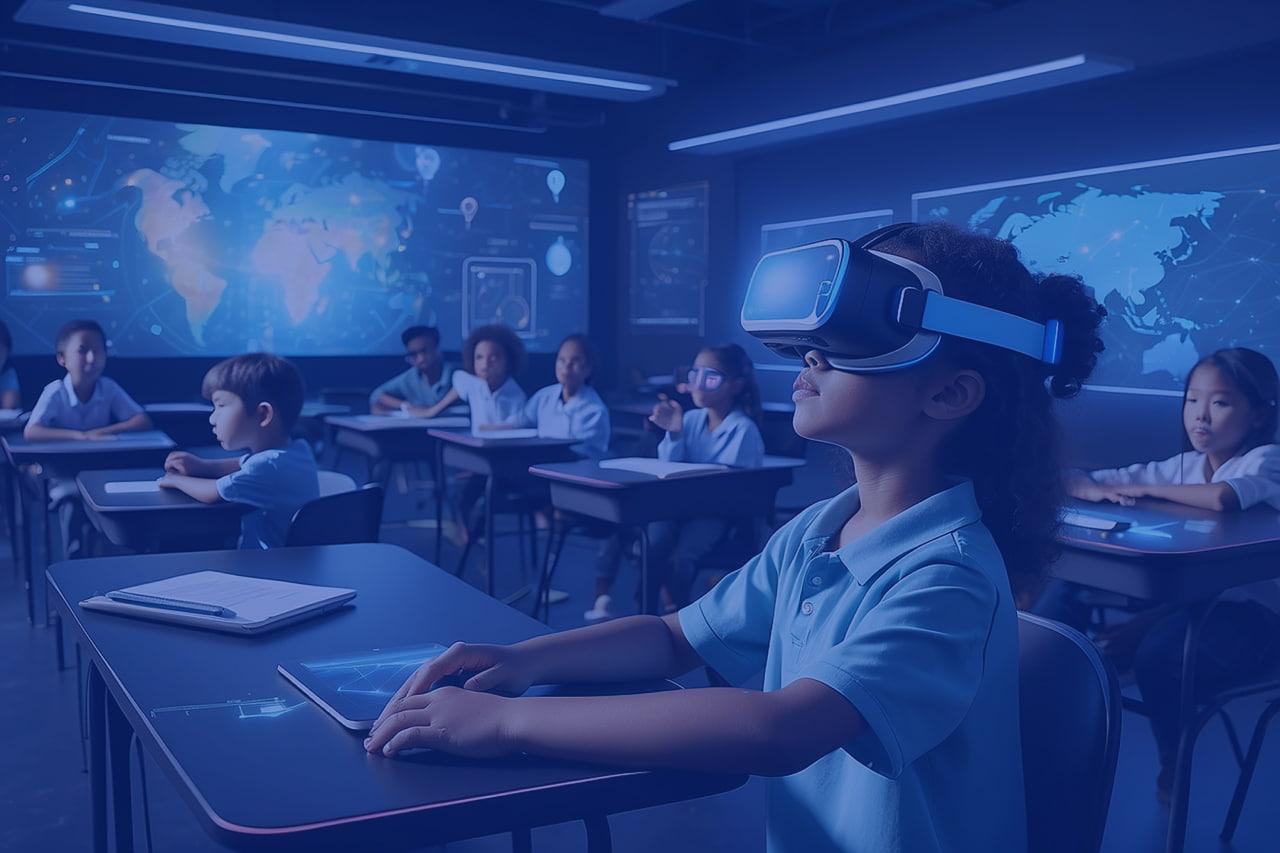
Mastering VR/AR: Effective Training Strategies for Teachers to Use Immersive Tools
As classrooms embrace the future of education technology, virtual Reality (VR) and Augmented Reality (AR) are emerging as game-changing tools to boost student engagement, deepen learning, and spark creativity. However, teachers—often on the front lines of edtech innovation—need specialized training to harness the power of immersive tools effectively.In this comprehensive guide, we explore the best training strategies, hands-on tips, real-life case studies, and actionable steps for educators to master VR/AR in teaching.
Why Mastering VR/AR Matters for Modern Educators
Bringing VR/AR into the classroom isn’t just about adopting the latest tech; it’s about delivering richer learning experiences. Here’s how immersive technologies can transform teaching and learning:
- Deeper Engagement: Interactive simulations make abstract concepts tangible.
- Personalized Learning: VR/AR can be tailored to students’ abilities and interests.
- Active Participation: Students explore, create, and interact, rather than passively absorb.
- Improved Retention: Hands-on experiences reinforce understanding and memory.
- Global Collaboration: Virtual field trips and shared AR experiences connect classrooms worldwide.
Did you know? According to a 2023 EdTech report, 68% of teachers using VR/AR tools noted significant improvements in student engagement and comprehension.
Effective Training Strategies for Teachers to Harness VR/AR
Transitioning to immersive teaching requires thoughtful, step-by-step training. Below, we outline proven strategies for educators to master VR/AR integration in education:
1. Begin with foundational Training Workshops
- Introductory Sessions: Explain fundamental concepts of VR/AR, device operation, and safety considerations.
- Interactive Demo Days: Allow hands-on exploration with VR headsets and AR apps to build confidence.
- Expert Talks: Invite guest educators with VR/AR experience to share best practices and classroom success stories.
2. Leverage Online Learning platforms
- Self-Paced Tutorials: Utilize platforms like Coursera, Udemy, or EdX for structured VR/AR courses.
- Video Guides: Short, topic-specific YouTube lessons help teachers troubleshoot and master new tools.
- Community Forums: Join educator communities such as EdTech Network to exchange tips and resources.
3. Integrate Microlearning Sessions
- Short Modules: Break up complex topics into digestible 10-15 minute training units.
- Just-In-Time Support: Provide speedy-access guides for on-the-spot solutions.
4. Foster Collaborative Practice
- Teacher Co-Labs: create in-school or district working groups to share experiences and lesson plans.
- Peer Reviews: Observe colleagues’ immersive lessons and exchange constructive feedback.
5.Utilize Simulation and scenario-Based Training
- Practice in Safe Environments: Use educator-targeted VR simulations to practice managing virtual classrooms.
- Scenario Walkthroughs: Role-play real-life classroom challenges through immersive AR experiences.
6. Commit to Ongoing Professional Development
- Attend EdTech Conferences: Gain insights into the latest VR/AR applications and tools from global leaders.
- Earn Digital Credentials: obtain VR/AR certifications from recognized organizations.
- Stay Informed: Subscribe to industry newsletters for regular updates.
Practical Tips to Enhance Your VR/AR Teaching Skills
- Start Small: Integrate one VR or AR activity per week, then expand as skills grow.
- Focus on Curriculum Fit: Choose immersive tools that directly align with your learning objectives.
- Prepare Students: Set clear guidelines and safety protocols for using immersive devices.
- Reflect and Iterate: After each VR/AR session,review what worked and what can be improved.
- Measure Impact: Use quizzes, surveys, and observational assessments to track engagement and learning outcomes.
- Seek Student Feedback: Ask learners about their experience to refine future immersive lessons.
Case Studies: Success Stories from the Classroom
Case Study #1: Bringing Ancient History to Life with VR
Ms. Clark, a secondary school teacher in Ohio, integrated 360-degree VR field trips into her history curriculum.Students virtually visited ancient Rome and Egypt, exploring archaeological sites in vivid detail. Engagement scores increased by 42%, and students were able to recall historical facts at double the previous rate.
Case Study #2: AR for STEM Inquiry Learning
At a London middle school, Mr. Patel adopted AR apps for teaching biology. Students used tablets to view 3D models of the human heart and circulatory system, sparking curiosity and improving scores on unit tests. Patel notes,
“AR made anatomy interactive and accessible. even students struggling with customary diagrams felt empowered to ask questions and participate.”
First-Hand Experience: Teacher Perspective
After attending a school-district VR/AR workshop, Ms. Rivera shared:
“Initially, integrating VR felt intimidating, but guided training and peer practice made it manageable.My students now ask for more immersive lessons—their enthusiasm has made me a believer!”
Overcoming Common Challenges in VR/AR Teacher Training
While the benefits are clear, educators may encounter hurdles when implementing immersive technologies. Here’s how to address them:
- Cost Concerns: seek low-cost VR/AR tools and explore grant opportunities for educational technology.
- Technical barriers: Leverage dedicated IT support and choose user-kind devices and platforms.
- Curriculum Alignment: Customize VR/AR lessons to fit specific subject areas and standards.
- Classroom Management: Set clear instructions for device usage and student behavior during immersive activities.
- Inclusive Access: Ensure alternatives for students with sensory sensitivities or accessibility needs.
Networking with othre educators—locally or online—can accelerate troubleshooting and spark new ideas.
Future Trends: The Evolving Role of VR/AR in Teacher Training
VR and AR technology are rapidly advancing,bringing new opportunities for immersive learning.Upcoming trends include:
- AI-Driven Personalization: Smarter VR platforms adapt content to individual teacher needs.
- Remote Collaboration: Teachers can co-create and share lessons in virtual spaces with colleagues worldwide.
- Mixed Reality Classrooms: Combining VR, AR, and traditional methods for hybrid learning environments.
- Wearable EdTech: Lightweight AR glasses and haptic tools designed for classroom teaching.
Staying current with these developments ensures teachers remain at the cutting edge and deliver impactful, future-ready learning experiences.
Conclusion: Empowering Educators to Lead with Immersive Tools
Mastering VR/AR in education is more than a technical skill—it’s a commitment to innovative, student-centered teaching. Through effective training strategies,ongoing professional growth,and dedicated practice,teachers can unlock the full potential of immersive tools. The classroom of the future is interactive, engaging, and accessible—empowered by educators who embrace VR/AR and inspire the next generation of learners.
Ready to take the next step? Start small, connect with fellow educators, and transform your teaching with immersive technology—one lesson at a time.