
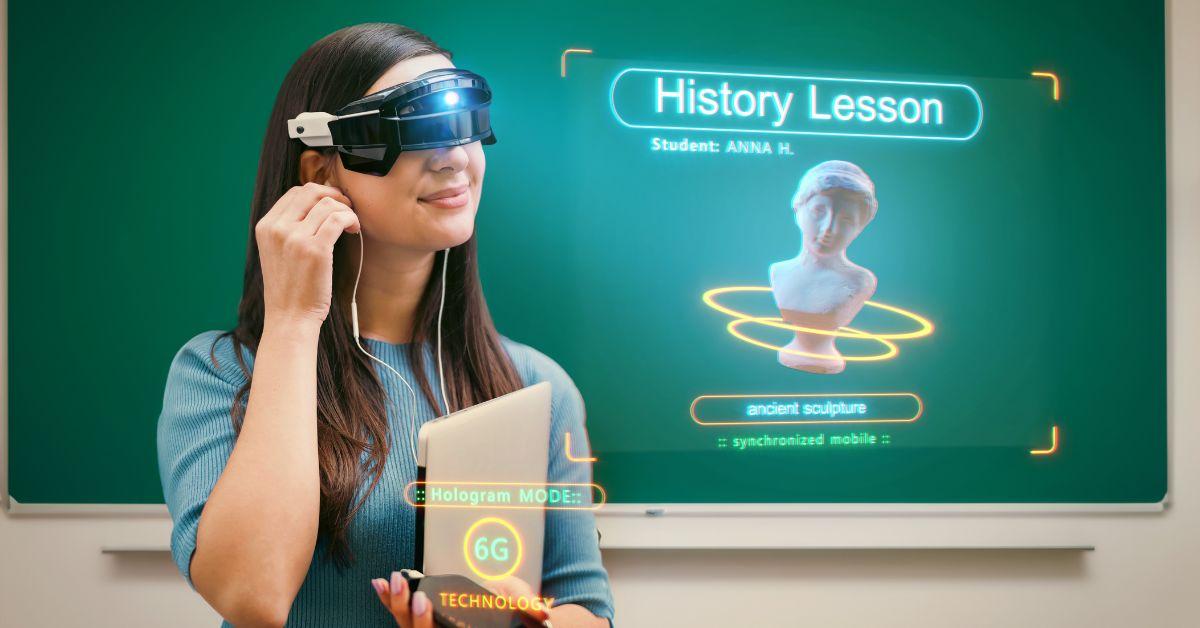
Mastering VR/AR in Education: Effective Strategies for Training Teachers to Use Immersive Tools
The integration of VR (Virtual Reality) and AR (Augmented reality) into education is revolutionizing teaching and learning. However, triumphant implementation hinges on how well educators are trained in using these immersive technologies. this article explores comprehensive strategies for training teachers to use VR/AR in the classroom, highlighting proven approaches, real-world benefits, practical tips, and first-hand experiences to empower educators in this digital age.
Why VR/AR in Education Matters
VR and AR technology brings abstract concepts to life,fosters enhanced student engagement,and supports experiential learning. Schools worldwide are recognizing the need to embrace immersive learning tools to prepare students for a technology-driven future. But for these digital tools to reach their full potential, teacher training is essential.
- VR in education enables learners to explore virtual worlds and simulations safely.
- AR in education overlays digital content onto the real world, enriching textbooks and interactive activities.
- Both technologies make STEM, history, language learning, and arts more engaging and accessible.
Main Benefits of Training Teachers in VR/AR
Investing in robust VR/AR teacher training offers measurable gains:
- Boosted Teacher Confidence: Well-prepared educators embrace new tools fearlessly, leading to innovative lesson planning.
- Enhanced Student Outcomes: Research shows that immersive learning increases knowledge retention and student motivation.
- Wider Adoption: Trained teachers act as technology ambassadors, encouraging their peers and fostering a culture of innovation.
- Reduced Implementation gaps: Effective training helps address challenges and ensures smooth integration of VR/AR in classrooms.
Effective Strategies for Training Teachers in VR/AR
Deploying VR/AR in schools requires more than just providing hardware and software. The following strategies ensure sustained teacher development and successful technology adoption:
1. Hands-On, Experiential Learning
- Encourage active participation in VR/AR workshops rather than relying solely on lectures or online tutorials.
- Let teachers explore immersive applications firsthand, enabling them to view experiences from a student’s perspective.
2. Scaffolded Professional Development
- Structure the training process in tiers—from beginner to advanced—so all teachers, regardless of tech-savviness, feel supported.
- Offer ongoing learning opportunities, not just one-off seminars, ensuring continuous skill advancement.
3. Integration with Curriculum Design
- Demonstrate practical ways to connect VR/AR experiences with existing learning objectives and standards.
- Provide lesson plans, assessment ideas, and subject-specific examples to inspire classroom applications.
4. Peer Collaboration and Mentoring
- Encourage teacher collaboration through professional learning communities (PLCs) or mentor-mentee programs focused on immersive teaching tools.
- Facilitate sharing of best practices, challenges, and classroom success stories.
5.Technical Support and Troubleshooting
- Ensure access to responsive IT support during and after training sessions to boost confidence and minimize frustration.
- Develop quick-start guides, FAQ sheets, and troubleshooting resources tailored for school settings.
6. Encouraging Reflection and Adaptation
- Promote reflective practice—invite teachers to analyze their VR/AR lessons and share what worked and what didn’t.
- Adapt training modules based on teacher feedback, ensuring they remain relevant and practical.
Practical Tips for Schools Implementing VR/AR Teacher Training
- Pilot Programs: Start with small-scale pilots to identify potential issues and refine training before wider implementation.
- Accessible Hardware: Choose user-friendly VR/AR devices and platforms with reliable classroom support.
- Incorporate Student Voice: Invite student input in designing VR/AR lessons for utmost relevance and engagement.
- Measure Impact: Use surveys, observations, and student achievement data to assess training effectiveness and outcomes.
- Celebrate Early wins: Publicize successful projects and innovative lessons to build enthusiasm across the school community.
Case Studies: VR/AR Teacher Training in Action
Real-world examples showcase successful teacher professional development in VR/AR:
Case Study 1: STEM Immersion at Lincoln High school
Lincoln High integrated a phased approach to VR training, starting with a cohort of science teachers. Through immersive lab simulations, educators increased their comfort level and crafted inquiry-based activities. Within a semester, student engagement in STEM subjects rose by 25%.
Case Study 2: Global Language Learning with AR at Greenfield Elementary
By attending interactive workshops led by AR specialists,language teachers at Greenfield Elementary learned to develop location-based AR scavenger hunts. Within weeks, students were practicing target language skills in real-world settings, reporting more fun and deeper learning.
First-Hand Teacher Experiences with VR/AR Tools
“I was initially intimidated by VR. But after attending a hands-on workshop and exploring several apps, I realized the potential for my history classes. Now, my students can walk through ancient civilizations!” – Ms. Thompson, History teacher
“AR made maths come alive for my 4th graders. Building 3D shapes using tablets helped them finally grasp volume and spatial reasoning.” – Mr. Perez, elementary Teacher
Addressing challenges in teacher Training for VR/AR
While the benefits are clear, VR/AR integration in education is not without hurdles:
- Cost and Accessibility: Mitigate by sharing devices between classes or seeking grants for technology funding.
- Technology Anxiety: Foster a supportive culture where experimentation and learning from mistakes are encouraged.
- Time Constraints: Embed training into existing professional development schedules and offer self-paced resources.
- Content Alignment: Work with curriculum designers and subject experts to ensure immersive experiences meet learning goals.
With strategic planning and support, schools can overcome these barriers and unlock the transformative power of VR/AR.
Future Trends in VR/AR Professional Development
- Customizable Training Modules: AI-driven platforms will offer adaptive PD journeys tailored to individual teacher’s needs.
- Virtual PLCs: Educators from around the globe will convene in virtual spaces to collaborate and learn together.
- More Accessible Content: Expanded libraries of curriculum-aligned VR/AR materials will empower teachers of all subjects and grade levels.
Conclusion
Mastering VR/AR in education begins with empowering teachers through effective, practical, and ongoing professional development. By combining hands-on learning, ongoing support, collaborative communities, and curriculum-focused strategies, educators will gain the confidence and skills necessary to transform student learning with immersive technology. As schools invest in quality teacher training, the positive impact of VR/AR in the classroom will continue to grow, reshaping education for the 21st century and beyond.
To stay ahead in the digital learning revolution, prioritize VR/AR teacher training—your students’ future is immersive!