
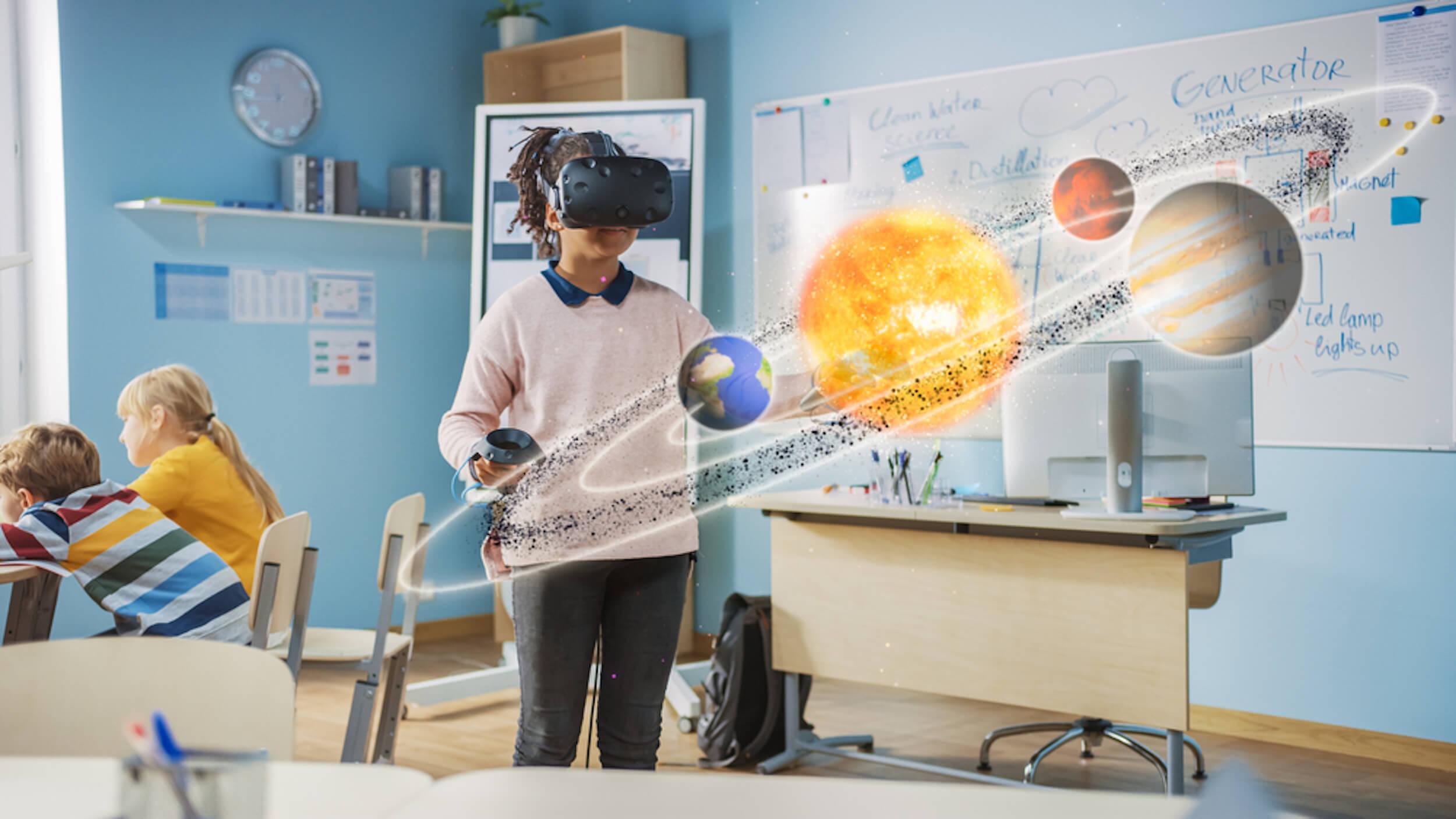
Mastering VR/AR in Education: Effective Teacher Training for Immersive Tech Tools
Virtual Reality (VR) and Augmented Reality (AR) are not just buzzwords—they represent a technological leap that is reshaping education as we know it. From interactive science labs to immersive ancient journeys, VR and AR open new vistas for engaging, impactful learning.but to truly unlock the power of immersive technology in the classroom, effective teacher training is paramount.
Why VR/AR Is Transforming education
VR/AR in education takes students beyond textbooks, enabling interactive experiences that foster deeper understanding and retention. Recent studies show that students who learn with immersive technology demonstrate up to 30% higher retention rates compared to traditional methods. Though, this technology is only as effective as the educators who wield it.
- Virtual Reality (VR): Creates fully immersive digital environments—think virtual field trips to ancient Rome or the solar system.
- Augmented Reality (AR): Overlays digital objects onto the real world—enabling layered learning, interactive quizzes, and more.
Effective teacher training for VR and AR is essential. Without it, even the most advanced immersive tools cannot deliver their full educational benefits.
Benefits of VR/AR Immersive tech in Education
The shift towards immersive technology is driven by its clear advantages:
- Engagement: Interactive environments increase student motivation.
- Accessibility: VR/AR can bring rare or unachievable experiences (like visiting Mars) directly to the classroom.
- Personalized Learning: Teachers can adapt activities for each student’s needs.
- Collaboration: Group projects and shared virtual spaces foster collaboration.
- safety: Complex or hazardous experiments can be simulated risk-free.
VR/AR Teacher Training: Core Components
Mastering VR/AR integration requires much more than a crash course. Teachers need hands-on experience,ongoing support,and a pedagogical framework that aligns technology use with lesson goals. Here are essential elements to include in professional development programs:
- Technical Literacy: Teachers should become pleasant navigating VR headsets,AR devices,and relevant software platforms.
- Curriculum Integration: Understanding how to tie VR/AR activities to curriculum standards and learning objectives.
- Pedagogical Strategies: Employing best practices for immersive lesson planning and classroom management.
- Assessment: measuring learning outcomes from VR/AR sessions using appropriate tools.
- Accessibility & Inclusion: Ensuring all students, including those with disabilities, can benefit from VR/AR lessons.
- Ongoing Support: Access to troubleshooting resources and a community of practice.
Effective VR/AR Teacher Training Strategies
Building teachers’ confidence and competence in immersive tech is an evolving process. The following strategies are proven to support teacher success:
1. Hands-On Workshops
- Provide educators with direct experience using VR/AR devices.
- Simulate classroom scenarios to practice lesson delivery.
- Encourage collaborative lesson plan development.
2. Peer Learning Communities
- Establish networks where educators can share best practices and resources.
- Host regular meetups or virtual forums for ongoing support.
3. Online Micro-Credentials and Certification
- Allow teachers to learn at their own pace through structured modules.
- Provide digital badges or certificates, building professional portfolios.
4. Continuous Professional Development
- Offer refresher courses as VR/AR tools evolve.
- include training in digital ethics, privacy, and classroom management in immersive environments.
Best Practices for Integrating VR/AR into teaching
- Start Small: Pilot a single lesson or subject before full-scale adoption.
- Align with Learning Goals: Every VR or AR activity should have a clear educational purpose.
- Solicit Student Feedback: Let students voice their experiences and suggestions for improvement.
- Promote Digital Wellbeing: Monitor screen time and mitigate potential negative effects.
- Document Outcomes: Measure student progress and engagement for continuous improvement.
Case Studies: Triumphant VR/AR Teacher Training and Implementation
Let’s look at real-life examples demonstrating how effective teacher training transforms immersive tech use in classrooms:
case Study 1: Exploring the Human Body in Biology Classes
A high school in Texas introduced VR anatomy software after a two-day immersive workshop for science teachers. educators learned to facilitate virtual dissections and guide student inquiry in real time. The result? Biology test scores improved by 18%, and student engagement soared throughout the term.
Case Study 2: Global Collaboration through AR History Lessons
In the UK, an elementary school piloted AR history lessons where students could overlay digital artifacts onto classroom maps. Teachers, after a week-long blended training, developed interactive activities with international partners, sparking global awareness and boosting cross-cultural dialog skills.
First-Hand Experience: Teacher Insights on Mastering VR/AR Tools
Direct feedback from educators who have mastered immersive technologies adds invaluable insights:
-
“The initial learning curve was steep, but hands-on workshops made all the difference. My students are now excited to come to class, especially when we’re using VR simulations!”
— Lisa T., Middle School Science teacher
-
“Collaboration with colleagues was key. through our learning community, we shared lesson ideas and solved tech problems together.”
— Mark S., High School History Teacher
-
“I appreciate ongoing support and regular updates. as new VR apps become available, our district offers mini-workshops to keep us updated.”
— Olivia R., Elementary Educator
Practical Tips for Schools: Launching an Immersive Tech initiative
- Assess Readiness: Survey teachers’ comfort levels and infrastructure needs.
- Invest in Quality Hardware and Software: ensure reliability for smooth classroom use.
- Prioritize Training: Allocate ample time and resources for professional development.
- Encourage Innovation: Empower teachers to experiment, iterate, and share discoveries.
- Monitor & Evaluate: Collect data, observe classes, and adjust training as needed.
Conclusion: Building the future of Education with Effective VR/AR Teacher Training
Immersive technology is here to stay, and mastering VR/AR in education starts with empowered, knowledgeable teachers. By prioritizing comprehensive VR/AR teacher training—focusing on both pedagogical and technical skills—schools lay the foundation for transformative learning experiences. As educators gain confidence, students will benefit from more interactive, engaging, and impactful lessons than ever before.
Ready to bring your classroom into the future? Invest in ongoing immersive tech training for teachers,and watch your students’ curiosity and achievement soar!